
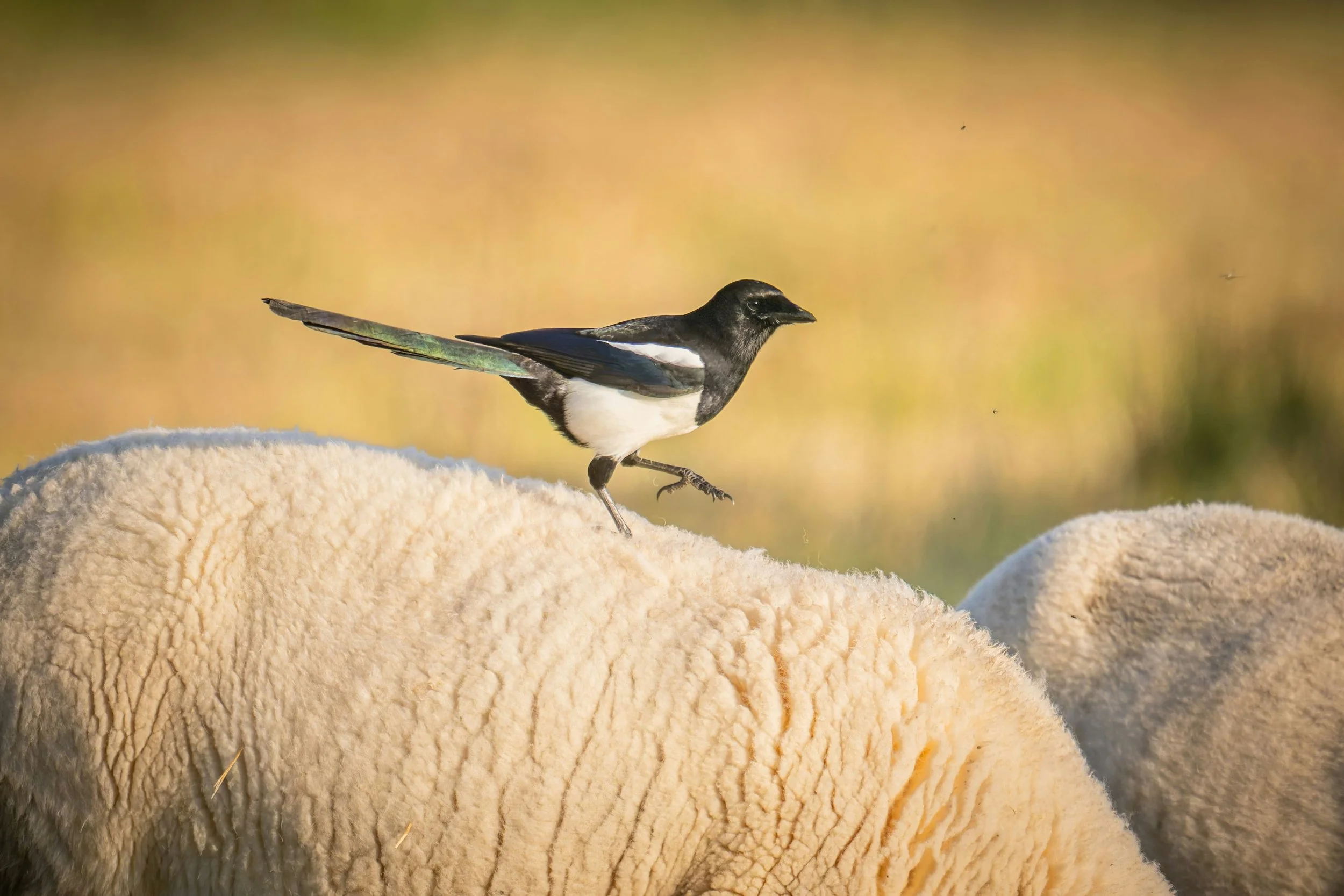
Animals Helping Each Other
Animals Helping Each Other
Written by: Sitara Nair
Did you know that some animals work together like best friends, while some animals are each other’s enemies? In the wild, animals are constantly interacting; they sometimes help each other, sometimes ignore each other, and sometimes even cause each other harm. After researching and analyzing these relationships, scientists have coined special names for these relationships: mutualism, commensalism, and parasitism. Let’s learn more together!
First up, mutualism. Mutualism, by definition, is when both animals benefit and help one another. A couple of examples are bees and flowers, clownfish and sea anemones, and birds cleaning crocodiles. The big idea with mutualism is that when two living things work together, both get something they need. Sometimes, when both species benefit so much, they end up unable to survive without one another. When this happens, it is known as obligate mutualism. An interesting observation scientists have made is that mutualism happens most often between very different kinds of organisms. As mentioned before, there are many great examples. Firstly, bees and flowers: bees will get nectar for food, and flowers will, in turn, get pollinated.
Additionally, another example is with cows and bacteria, where tiny bacteria in a cow’s stomach help digest plants. Examples don’t have to just be between Kingdom Animalia, but mutualism also happens in other kingdoms, like the relationship between tree roots and fungi. The fungi help trees absorb nutrients, and in return, trees give fungi food.
Another term scientists coined to represent animal relationships is commensalism. The big idea with commensalism is that one species benefits, and the other is not helped or harmed, it remains neutral. One species, otherwise known as the commensal, gains food, shelter, or transportation. The other species, otherwise known as the host, stays the same. Scientists have observed that this often happens between a small animal and a larger one. One example of commensalism includes is remoras and sharks. For context, remoras, also known as suckerfish, are tropical marine fish are famous for their unique suction disc modified from their dorsal fin. These remoras stick to sharks for free rides and leftover food, but leave the shark unaffected.
Another aquatic example is pilot fish and sharks, with pilot fish swimming nearby and eating scraps from the shark. Additionally, a land example is birds nesting in trees (like owls!), the bird gets a home, and the tree remains unharmed. A simple way to think about it is that commensalism is like borrowing space or getting a free ride!
The last relationship is parasitism. Parasitism happens when one organism, called a parasite, lives on or inside another organism, called a host, and takes what it needs to survive. The parasite benefits, but the host loses food, energy, or health, and often does not die immediately. There are different types of parasites, one being ectoparasites. These parasites live on the body’s surface, examples being ticks, fleas, lice, and leeches, feeding on blood or skin, and cause irritation or disease. Next, there are endoparasites, which live inside the host’s body. For example, there are worms, bacteria, viruses, and protozoans (like malaria parasites)/ Some need a carrier, otherwise known as a vector, to move from one host to another (like malaria, where the parasite lives in humans and a mosquito carries it from person to person). Not all parasites are animals, there are also plant parasites. For example, dodder plants wrap around other plants, they steal water and nutrients, and the host plants become weaker. Lastly, there is brood parasitism, often overlooked. With this, some birds use other birds to raise their babies. Like, cuckoos and cowbirds: cuckoos lay eggs in another bird’s nest, and do not raise their own chicks, and the host bird gets tricked into caring for their young.
All in all, animals interact with one another in lots of different ways, from helping each other to survive to taking advantage of one another.
References
Mutualism (biology). Encyclopædia Britannica. https://www.britannica.com/science/mutualism-biology. University of Lethbridge Library
Parasitism. Encyclopædia Britannica. https://www.britannica.com/science/parasitism.
Commensalism. Encyclopædia Britannica.. https://www.britannica.com/science/commensalism.