
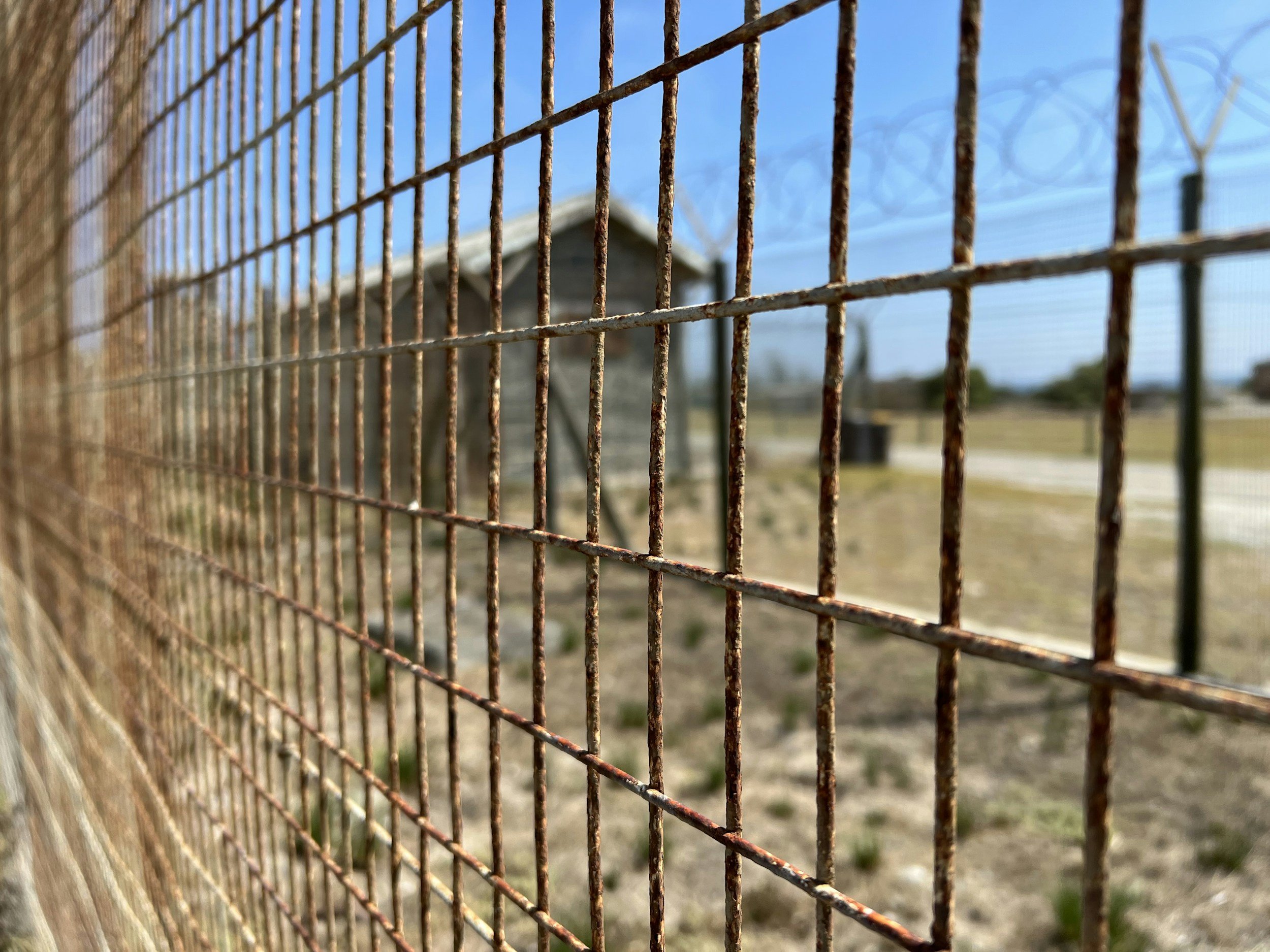
Apartheid: A System That Divided South Africa
Apartheid: A System That Divided South Africa
Written by: Keya Gambhir
For much of the 20th century, South Africa was controlled by a system called apartheid. The word apartheid comes from the Afrikaans language and means “apartness.” It was a political and legal system that separated people based on race and allowed the white minority government to maintain control over the country. Under apartheid, nonwhite South Africans, especially Black South Africans, faced strict laws that limited where they could live, work, travel, and go to school.
Apartheid officially began in 1948, when the National Party won the national election in South Africa. The new government expanded earlier policies of racial segregation and made them much stricter by writing them into law. Even though nonwhite South Africans made up most of the population, they had very little political power. Many everyday activities were separated by race, including beaches, hospitals, buses, and schools.
However, racial segregation had existed in South Africa long before apartheid became official. Earlier laws had already begun separating people by race. One important example was the 1913 Natives Land Act, which forced Black Africans to live in small reserved areas and prevented them from owning land in most parts of the country. This law limited opportunities and kept many people in poverty.
During the apartheid era, the government created many new laws to enforce racial separation. One of the most important was the Population Registration Act of 1950. This law required every person in South Africa to be classified by race. People were placed into categories such as white, Black African (also called Bantu), Coloured (mixed race), or Asian. These classifications affected almost every part of someone’s life, including where they could live or what jobs they could have.
Another major law was the Group Areas Act, which forced different racial groups to live in separate areas. Many nonwhite families were removed from their homes and relocated to places far away from cities. In some cases, entire neighborhoods were destroyed so that the land could be used by white residents.
The government also created territories called Bantustans, or homelands. These areas were meant to be separate countries for Black South Africans. The government claimed this would allow different racial groups to develop independently, but in reality the homelands were often poor and lacked resources. Millions of people were forced to leave their homes and move to these regions.
Apartheid laws also controlled personal relationships. The Prohibition of Mixed Marriages Act made it illegal for white people to marry people of other races. Social contact between races was discouraged, and people could face punishment for breaking these rules.
Another strict rule involved pass laws. Black South Africans had to carry passbooks that allowed them to enter certain cities or areas. If someone was caught without their passbook, they could be arrested or punished.
Many people in South Africa resisted apartheid. Groups such as the African National Congress (ANC) organized protests, boycotts, and demonstrations against the government. The ANC encouraged people to challenge unfair laws through nonviolent protests and acts of civil disobedience.
One of the most famous leaders of the anti-apartheid movement was Nelson Mandela. Mandela was a lawyer who joined the ANC and helped lead the struggle for equality. Because of his activism, he was arrested and spent many years in prison. While he was imprisoned, people around the world began protesting apartheid and calling for Mandela’s release.
International pressure also played an important role in ending apartheid. Many countries criticized the system and placed economic sanctions on South Africa. The United Nations declared apartheid a crime against humanity in 1973.
By the late 1980s, growing protests and international pressure forced the South African government to change. In 1990, President F.W. de Klerk released Nelson Mandela from prison and began removing apartheid laws.
In 1994, South Africa held its first democratic election in which people of all races could vote. Nelson Mandela was elected president, marking the official end of apartheid and the beginning of a new chapter in South African history.
Even though apartheid ended decades ago, its effects on South African society are still being addressed today. Learning about apartheid helps people understand why equality, fairness, and human rights are so important.
References
Britannica Editors. 2026. “Apartheid.” Encyclopaedia Britannica. March 6, 2026. https://www.britannica.com/topic/apartheid.
HISTORY.com Editors. 2025. “Apartheid.” History. October 15, 2025. https://www.history.com/articles/apartheid.
History for Kids. n.d. “Apartheid Facts for Kids.” History for Kids. Accessed March 13, 2026. https://historyforkids.org/apartheid/.