
Looking Back Before the Upcoming iPhone 18
Looking Back Before the Upcoming iPhone 18
Written by: Sitara Nair
After decades of changes, Apple is getting ready for another new chapter in the iPhone’s history. The iPhone 18 Pro and the iPhone 18 Pro Max are currently expected to be introduced in September 2026, although Apple has not officially announced the release date yet. Rumors suggest that the new models might include improvements as faster performance or upgraded cameras. In honor of this new and exciting chapter, let’s take a look at the past 10 generations of iPhones and how Apple has continued to innovate!
The iPhone 8 was released in 2017 and it was one of the last iPhones to keep the classic design with a Home button. This was the iPhone that introduced wireless charging (though not a popular method at the time) and an improved camera. However, after this style, Apple was ready to move into a new direction.
That same year, Apple introduced the iPhone X, and that completely changed the appearance of the iPhone. The Home button was gone and got replaced by Face ID and a nearly edge-to-edge OLED display. The notch became one of the most recognizable smartphone designs of the time.
The iPhone XS and XR, released in 2018, continued that new design. The XS focused on premium features, while the cheaper XR brought the modern iPhone design to more people. The XR was especially successful because it offered many of the major features of the newer iPhones at a lower price.
In 2019, Apple released the iPhone 11 lineup. The regular iPhone 11 became popular for offering strong performance and a dual-camera system, while the Pro models introduced a third camera for improved photography. Night Mode also made it easier to take pictures in dark environments.
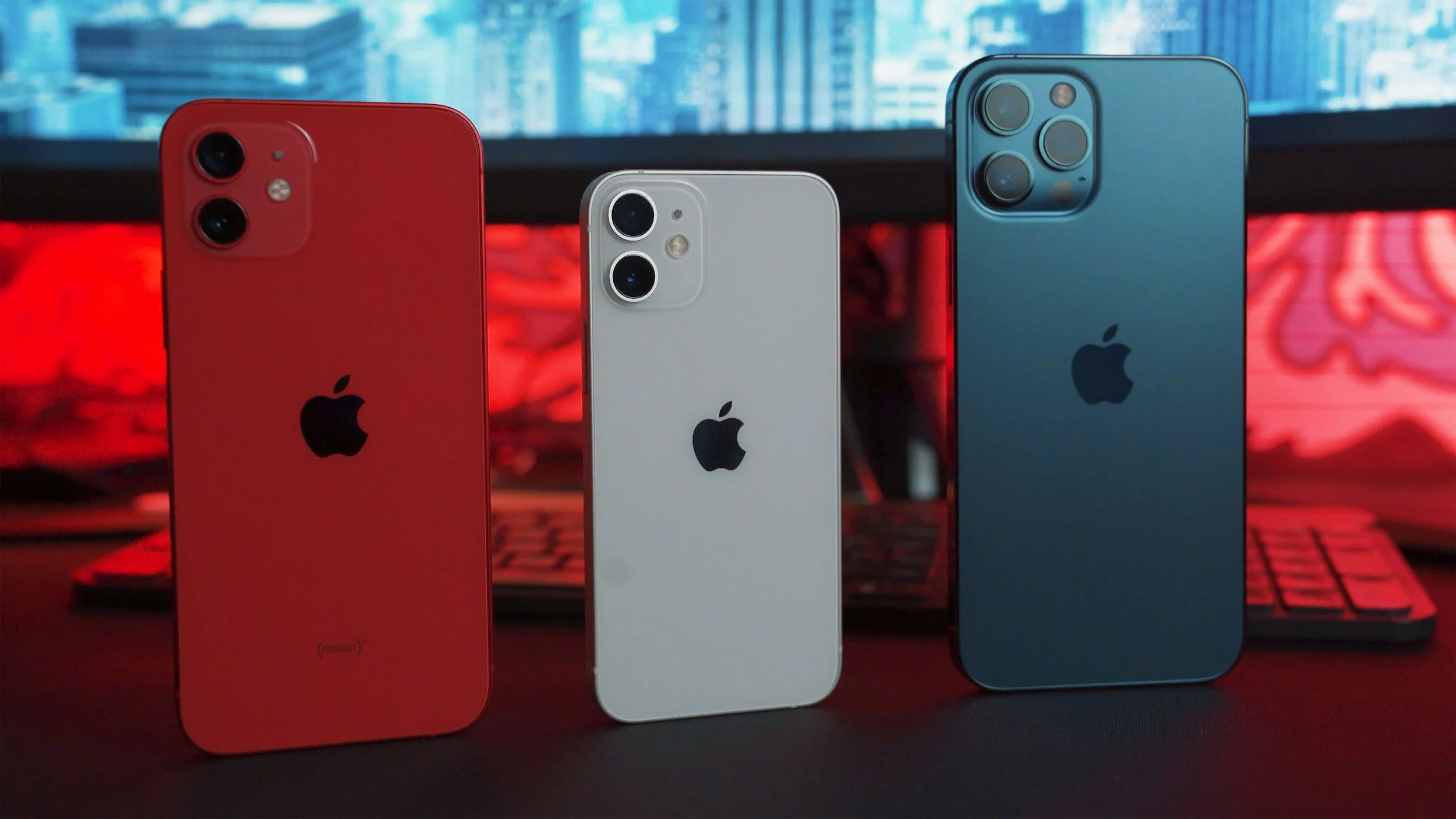
The iPhone 12, released in 2020, brought another major design change. Apple returned to flat edges, creating a look that was noticeably different from the rounded sides of previous generations. The iPhone 12 lineup also introduced 5G, making faster cellular connectivity a major selling point.
The iPhone 13 in 2021 focused more on improving existing features instead of completely redesigning the phone. Battery life improved, cameras became better, and the notch became smaller. The Pro models also introduced ProMotion, allowing the display to refresh at up to 120Hz for smoother scrolling and animations.
The iPhone 14 came in 2022 with another important change: the Dynamic Island replaced the traditional notch on the Pro models. Apple also introduced features such as Crash Detection and Emergency SOS via satellite.
The iPhone 15 was released in 2023 and it brought arguably the most noticeable changes in recent iPhone history, Apple replaced the Lightning connector with USB-C. The regular iPhone 15 also received a 48-megapixel main camera, while the Pro models introduced the Action button and a titanium design. USB-C made the iPhone more compatible with the same charging standard used by many other modern devices.
The iPhone 16 continued Apple's focus on cameras and artificial intelligence. The lineup introduced the Camera Control feature and was designed to take advantage of Apple Intelligence. This represented another shift in what Apple expected an iPhone to do, with AI becoming a larger part of the smartphone experience.
Finally, the iPhone 17 arrived in 2025. Apple gave the standard model a bigger 6.3-inch display with ProMotion, an A19 chip, improved cameras, and a new Center Stage front camera. Apple also doubled the starting storage to 256GB.
References
Carey, Conner. “The History of Every iPhone Model from 2007–2026.” iPhone Life, March 24, 2026. https://www.iphonelife.com/content/evolution-iphone-every-model-2007-2016
IGN. “All iPhone Release Dates in Order.” IGN. Accessed August 22, 2026. https://www.ign.com/articles/all-iphone-release-dates-in-order
Verizon. “The History of Apple iPhones.” Verizon, accessed August 22, 2026. https://www.verizon.com/articles/Smartphones/milestones-in-history-of-apple-iphone
LOGiiX. “The iPhone 18: Rumours & What We Expect for the New Design.” LOGiiX, accessed August 22, 2026. https://logiix.ca/blogs/journal-2/the-iphone-18-rumours-what-we-expect-for-the-new-design