
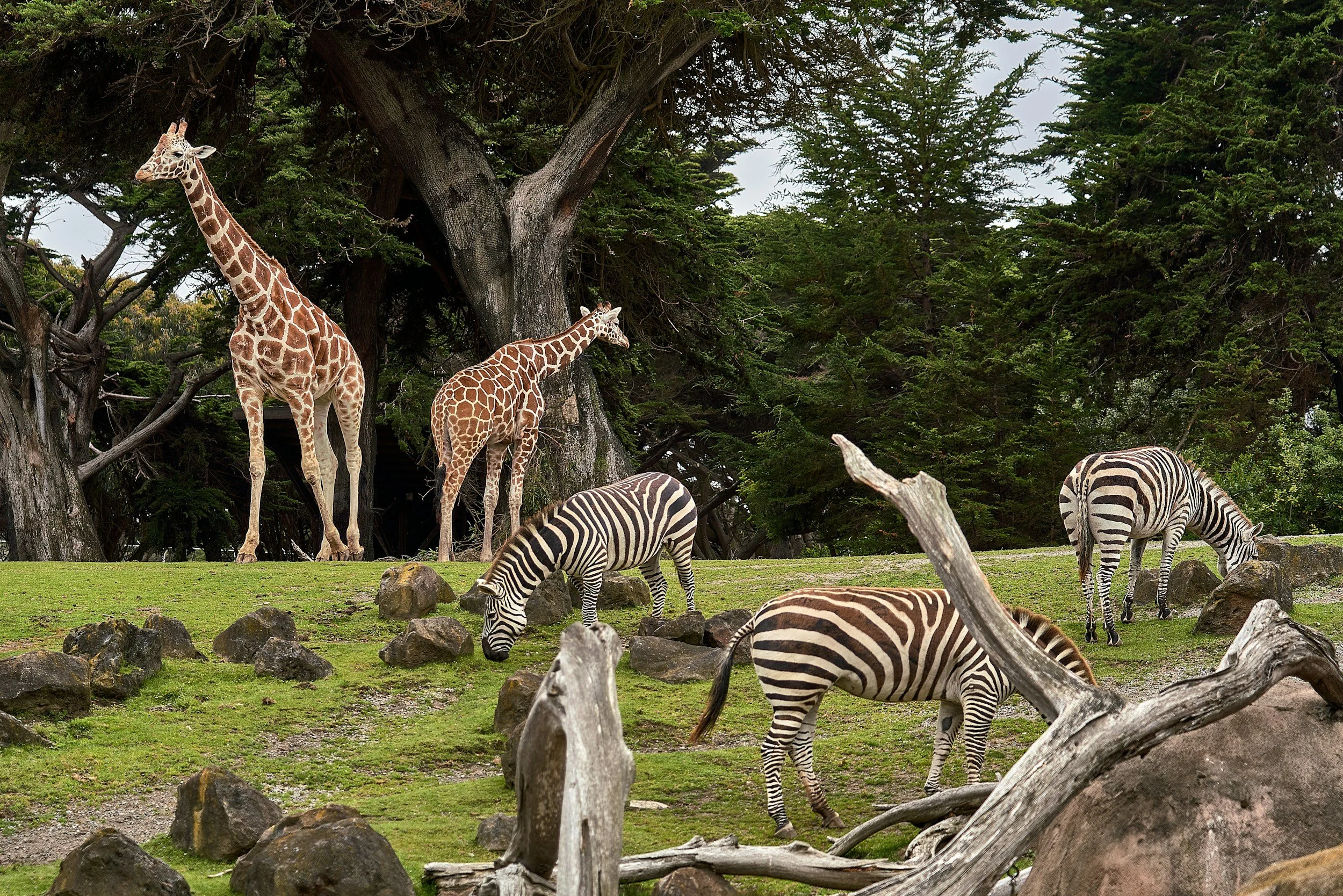
What does the AZA actually do?
What does the AZA actually do?
Written by: Sitara Nair
The Association of Zoos and Aquariums, also known as the AZA, is an organization that helps zoos and aquariums provide the best possible care for animals. The organization works hard to protect wildlife, educate people, and support conservation programs. Not every single zoo our aquarium is actually a part of the AZA. Facilities must meet very high standards before they can become accredited. The AZA is important because it helps make sure animals are treated properly and that zoos and aquariums are doing more than just putting animals on display to zoo-goers.
Statistics
The AZA represents facilities across 12 countries that collectively draw over 209 million visitors each year. There are 229 in the U.S., 8 in Canada, 4 in Mexico, and others in countries like Singapore, Spain, and the United Arab Emirates. The facilities include 138 zoos, 56 aquariums, 9 combined zoo/aquariums, plus safari parks, science centers, and aviaries. Overall, they provide approximately 198,000 jobs, creating a significant economic footprint. Their care towards their animals is very clearly represented with over 780,000 animals in professional care and over 8,600 total species represented.
Accreditation
One of the biggest jobs of the AZA is accrediting zoos and aquariums. In simple terms, accreditation means that a specific zoo or aquarium has been inspected and has met the AZA’s standards. Inspectors look at many different areas, including animal care, safety, veterinary services, staff training, education, and conservation. However, after being accredited once, zoos do not automatically maintain that status forever. They must be checked again and go through the accreditation process every five years. This system helps make sure that accredited facilities continue to provide high-quality care for their animals. According to the AZA website, as of March 2026, there have been 240 AZA-accredited institutions. Some popular AZA-accredited zoos are the following: San Diego Zoo & Safari Park (in Califonrnia), Omaha’s Henry Doorly Zoo and Aquarium (in Nebraska) , Saint Louis Zoo (in Missouri), San Francisco Zoological Gardens (in California), Bronx Zoo (in New York), and Smithsonian’s National Zoo (in Washington, DC).
Animal Care and Welfare
The AZA also works to improve animal care and welfare. Animals in zoos and aquariums need proper food, clean habitats, veterinary care, and opportunities to behave naturally. For example, animals may receive enrichment, like toys, puzzles, special foods, or activities that encourage them to explore and use their natural skills. These standards of animal welfare by the AZA help its accredited facilities make the overall health and well-being of all animals a major priority.
Wildlife Conservation
Another very important part of the AZA’s work is its wildlife conservation. Animals worldwide are threatened by problems like habitat loss, pollution, climate change, and illegal hunting. AZA-accredited zoos and aquariums support programs that work to protect these animals and their habitats. One example is the Saving Animals From Extinction program (otherwise known as SAFE). Zoos and aquariums can work together to study endangered animals, support conservation projects, and manage healthy animal populations.
Supporting Zoo and Aquarium Professionals
While the AZA does a lot of work to support animals, it also supports the people who work at zoos and aquariums. It provides training, conferences, educational resources, and opportunities for professionals to share with one another. Veterinarians, animal keepers, educators, scientists, and other workers can learn new ways to improve animal care and conservation. Zoos and aquariums can also cooperate instead of working alone. By helping professionals communicate and learn from each other, the organization improves zoos as a whole.
How can YOU help?
You can support the AZA in several ways, such as volunteering, making a financial donation, or becoming an official advocate. Volunteering can help zoos and aquariums with education, conservation, and community programs. Donations can fund animal care, research, and wildlife conservation projects. Becoming an advocate is another way to help because you can raise awareness about the importance of protecting animals and their habitats.
References
Joint Research Centre. “Current Wildfire Situation in Europe.” European Commission. Updated August 21, 2026.
https://joint-research-centre.ec.europa.eu/projects-and-activities/natural-and-man-made-hazards/forest-fires/current-wildfire-situation-europe_en
McNeil, Sam. “Wildfires Expose—and Detonate—Buried Bombs and Mines from WWI and WWII.” Associated Press, August 22, 2026.
https://apnews.com/article/europe-wildfires-climate-bombs-world-war-5390dcf3c92c41ec44c2b0a4d9d80157
North, Madeleine. “Europe’s Devastating Heatwaves and Wildfires in 4 Charts.” World Economic Forum, August 10, 2026. Updated August 12, 2026.
https://www.weforum.org/stories/nature-and-biodiversity/europe-heatwaves-wildfires-charts/
Rennolds, Nathan. “Europe’s Devastating Wildfires Unveil Deadly New Threat—Buried Bombs from WWI and WWII.” Euronews, August 22, 2026.
https://www.euronews.com/my-europe/2026/08/22/europes-devastating-wildfires-unveil-deadly-new-threat-buried-bombs-from-wwi-and-wwii