
Going Bananas
Going Bananas!
Written by: Natalie Yao
Bananas are a popular fruit all around the world. The uses are versatile, you can put them into cereal or yogurt, put them in smoothies, or eat them straight from the peel. Although most people think that bananas grow from trees, bananas actually grow on giant herbs. Their tall and thick trunks are made of wrapped leaf bases instead of wood. Large leaves spread out above the plant make it look like a tropical umbrella.
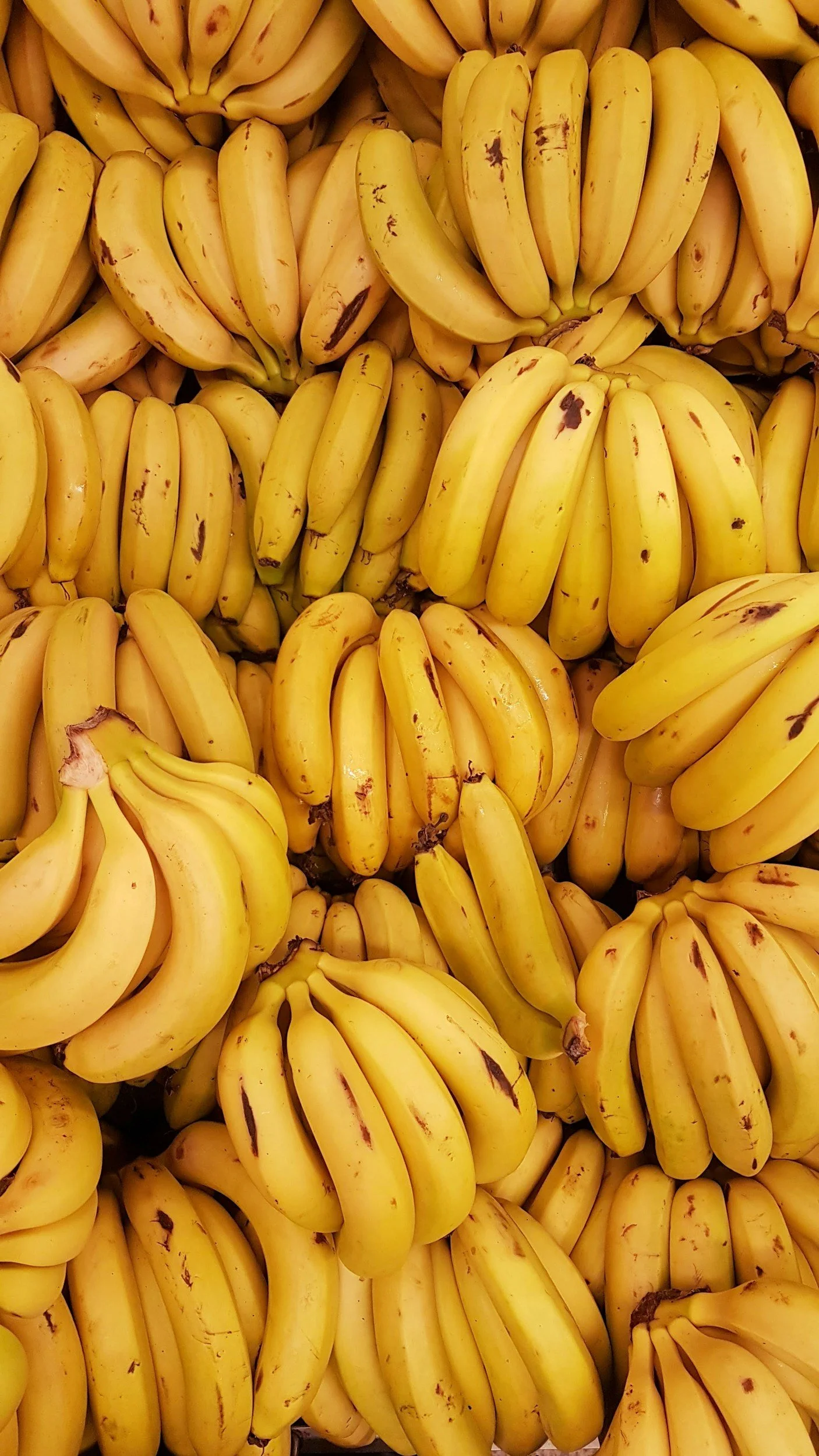
Banana plants grow best in warm places with plenty of sunshine and water. These places include Africa, Asia, and Central and South America. A flower develops on the plant, and groups of bananas grow along it. Each group is called a hand, while one banana is called a finger. They can be found in markets all year round.
Farmers usually harvest bananas while they are still green. This helps the fruit survive its trip to stores without becoming too soft. As bananas ripen, their green peels turn yellow, and the fruit becomes sweeter. That happens because starch inside the banana changes into sugar. Brown spots often mean a banana is very ripe and especially sweet.
Bananas provide your body with useful nutrients. They contain carbohydrates, which provide energy for exercise and thinking. They also supply fiber, which helps food move through your digestive system. Another nutrient, potassium, helps muscles and nerves work properly. Bananas also have vitamins A and C, which are good for your eyes, skin, and immune system.
Most bananas sold in many grocery stores belong to a variety called Cavendish. However, bananas come in many sizes and colors. Some have reddish peels, and others stay green when ripe. Plantains are related bananas that people often cook. Depending on how ripe they are, plantains can become crispy chips, savory side dishes, or sweet treats.
The bananas you usually eat have no large, hard seeds. Farmers grow new plants from shoots or pieces of existing plants. Because many bananas are so similar, certain diseases can spread easily among them. Scientists and farmers study ways to protect banana crops and grow different varieties.
Bananas are useful in the kitchen even after they become soft. You can mash ripe bananas into pancake batter, stir them into oatmeal, or bake them into banana bread. You can also freeze peeled banana pieces and blend them into a creamy frozen snack.
References
Encyclopaedia Britannica. n.d. “Banana.” Britannica Kids. https://kids.britannica.com/kids/article/banana/352822
Kiddle. n.d. “Banana Facts for Kids.” Kiddle Encyclopaedia. https://kids.kiddle.co/Banana