
Browser Battles
Browser Battles
Written By: Sitara Nair
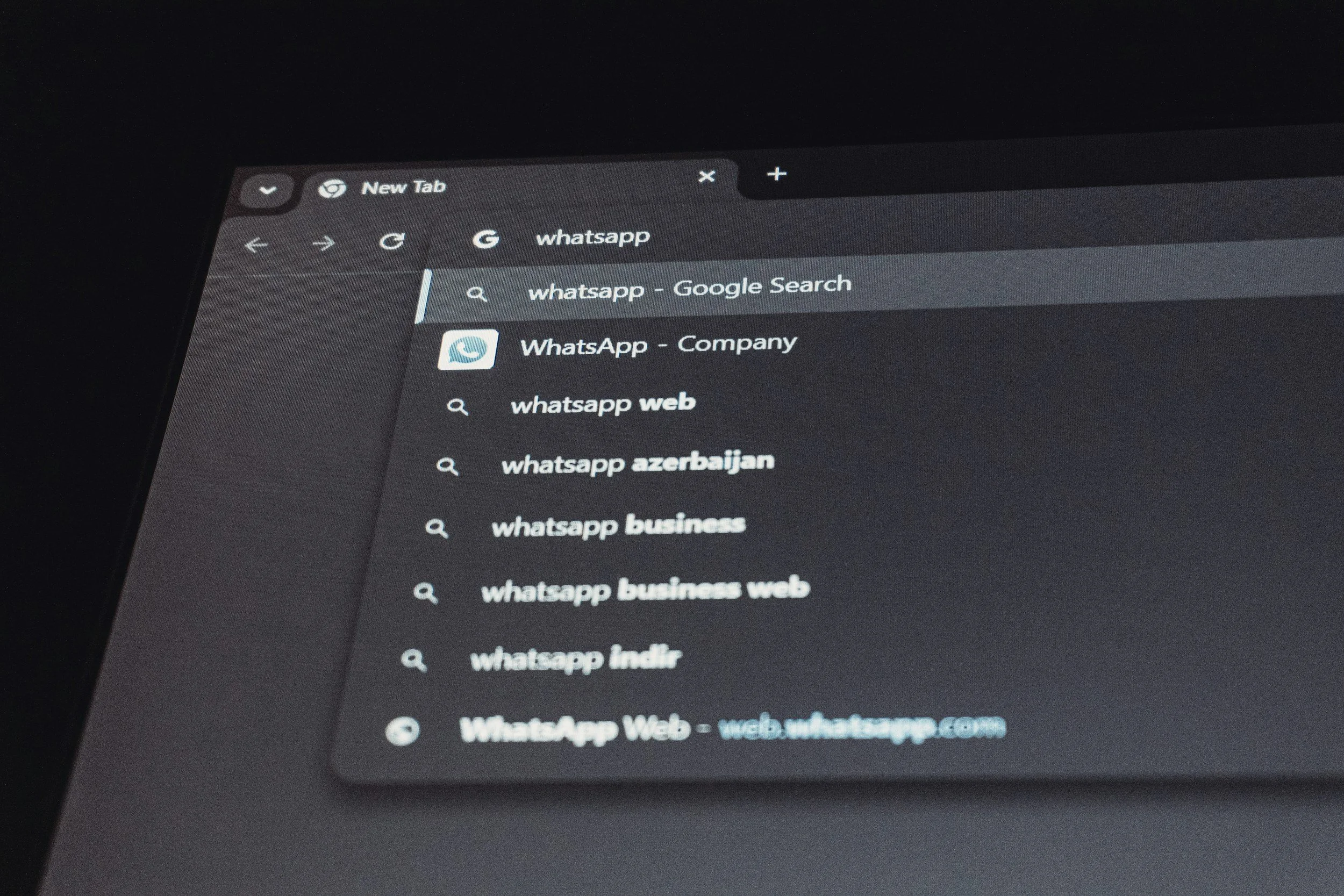
The most popular browsers nowadays are Google Chrome, Apple Safari, and Microsoft Edge, and most of you are probably reading this on one of those three. As of April 2026, Chrome is still far ahead worldwide, with Safari in second place and Edge in third. However, those are not the only browsers competing for attention. Recently, other browsers, such as DuckDuckGo and Ecosia, are becoming more popular because they offer a new experience for users. DuckDuckGo focuses on privacy, while Ecosia focuses on helping the environment. Let’s learn about these browsers, how they compare, and what their pros and cons are.
Google Chrome is the browser most people know. It is fast, simple to use, and connected to Google services like Gmail, Google Docs, YouTube, and Google Drive. Chrome has a huge library of extensions, which are extra tools users can add to the browser. For example, people can install ad blockers, grammar checkers, shopping tools, or school-related extensions. Another benefit is syncing. If you sign into Chrome on your phone and computer, your bookmarks, passwords, and history can follow you. However, Chrome has some downsides. Because it is made by Google, a company that earns much of its money from advertising, some people worry about how much data is collected while they browse. Chrome can also use a lot of memory, which may slow down older computers. A big issue as of recent for many users is the AI-focused initiative. Every search made on google now provides an AI overview, and many individuals who are anti-AI (for reasons like environmental consciousness) find being “force-fed” AI content feels harmful and annoying.
Safari is Apple’s browser, and it comes installed on iPhones, iPads, and Macs. Its biggest strength is how smoothly it works with Apple devices. Safari is usually fast on Apple products and can help save battery life. It also includes privacy features that limit tracking across websites; basically for people who already use Apple devices every day, Safari is simple and convenient. The main disadvantage of Safari is that it is not as useful outside the Apple world. Windows and Android users usually do not use Safari, and some browser extensions that work on Chrome may not be available. Safari is excellent for Apple fans, but it is less flexible for people who use many different types of devices.
Microsoft Edge has improved a lot in recent years. Older Microsoft browsers, like Internet Explorer, had a bad reputation, but Edge is much more modern. Since it is built on Chromium, the same browser engine that powers Chrome, many websites and Chrome extensions also work on Edge. Additionally, edge works especially well with Windows computers and Microsoft services. It also includes features like vertical tabs, reading tools, and built-in security options. Still, Edge has its own problems. Some users feel that Microsoft promotes it too aggressively in Windows. Others may not like how many extra features are built in, because the browser can feel busy. Edge is a strong browser, but people who prefer a simpler experience might want to choose something else.
DuckDuckGo is also another hot browser right now. It is different because its main selling point is privacy. DuckDuckGo says its browser blocks many trackers, helps stop companies from collecting browsing data, and does not store users’ search history. This makes it attractive to people who do not want every search or website visit connected to a personal profile. DuckDuckGo also has a “Fire Button” feature that lets users quickly clear tabs and browsing data. The downside is that DuckDuckGo may not have as many features or extensions as Chrome or Edge. Some users may also be used to Google search results and may not want to switch. DuckDuckGo is a great choice for privacy, but it may not feel as powerful for people who depend on lots of add-ons.
Ecosia is another interesting browser and search option because it connects web browsing with environmental action. Ecosia says it uses its profits for climate action, especially tree-planting projects, and it also promotes renewable energy. Ecosia uses its ad revenue to fund tree-planting projects in biodiversity hotspots and crisis zones around the world. You can track your personal tree-planting progress right on the search screen which is super exciting for users. However, Ecosia is not perfect either. Some users may care more about speed, extensions, or search result quality than environmental goals. Also, while Ecosia’s mission is appealing, it is still much smaller than Chrome, Safari, or Edge. That means fewer people know about it, and it may not be the first browser schools or workplaces support.
In the end, the “best” browser differes from person to person. Chrome is popular because it is fast and works almost everywhere. Safari is great for Apple users. Edge is useful for people who use Windows and Microsoft tools. DuckDuckGo is best for privacy, and Ecosia is best for people who want their browsing to support environmental causes. What browser do you use most?
References
Nanda, B.R., and Encyclopaedia Britannica Editors. “Mahatma Gandhi.” Encyclopaedia Britannica. Last modified May 19, 2026. https://www.britannica.com/biography/Mahatma-Gandhi.
“HISTORY.com Editors.” “Gandhi Assassinated.” HISTORY. Last modified January 27, 2026. https://www.history.com/this-day-in-history/january-30/gandhi-assassinated.
The Martin Luther King, Jr. Research and Education Institute. “Gandhi, Mohandas K.” Stanford University. https://kinginstitute.stanford.edu/gandhi-mohandas-k.
MKGandhi.org. “Salt March and Political Power.” https://www.mkgandhi.org/articles/salt-march-and-political-power.php.