
The Crunchy Carrot: A Root Vegetable
The Crunchy Carrot: A Root Vegetable
Written by: Anna Pafenberg
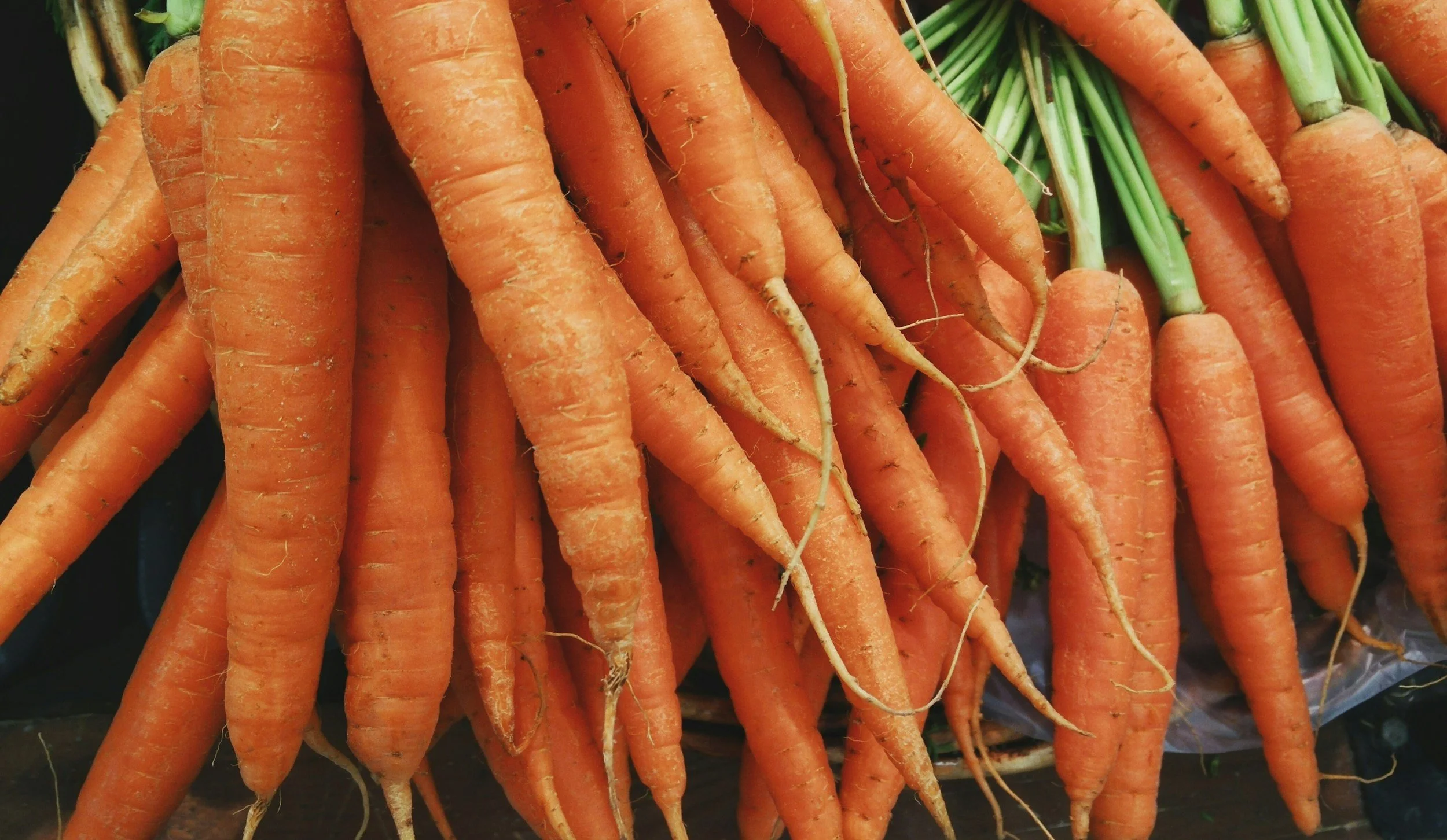
When trying a plethora of new foods, one of the first things infants try is carrots. These orange vegetables are with us from infancy, all the way to old age. Mushed carrots are a great and easy to eat source of veggies, and continue to be a fan favorite through childhood and adulthood. Carrots are good for humans because they have a great source of beta-carotene, which is a pigment that is converted to vitamin A when digested. Vitamin A is good for vision, which is why many people say that carrots can help with eyesight. Carrots are generally very good for eye health. Carrots are 86%-95% water, making them very hydrating. Carrots have a lot of fiber, making them good at lowering blood sugar. Along with Vitamin A, carrots contain Biotin. Biotin involves metabolism function and Vitamin H.
Carrots are known to create a reduced risk of cancer. Stomach and prostate cancers are specifically known to be associated with reduced cancer risk. Breast and lung cancer also are prevented by carrots. Baby carrots are normal sized carrots that are harvested when they are small. They are peeled, washed, and cut to be the size the farmers want. These carrots are popular among school-aged children because they are a little less daunting than large carrots.
Carrots are in the same family as celery, dill, and parsley. 80-90% of carrots grown in the United States are grown in California. Root vegetables, including carrots, are ones that are grown underground. Like trees and other plants, root vegetables leaves are shown above the soil, and the roots underneath. What is unique about them is that the fruit they produce is also underneath the soil and can only be harvested by uprooting. Root vegetables get their nutrients from the soil, not just their roots and leaves from water. Root vegetables include carrots, potatoes, parsnips, and onions. These vegetables grow best in loose soil, allowing them to settle, as well as in cold water. The majority of root vegetables are harvested in spring, connecting why carrots are associated with Easter. A lot of other root veggies are harvested in fall and winter, making them hearty for soups and other seasonal dishes.
All in all, vegetables such as carrots and those that grow underground contain many vitamins and minerals that are important to health. Whether you're looking for a crunchy carrot, or a creamy potato soup, vegetables are delicious and interesting, leaf to root.
References
Denenberg, Zoe. “Everything You Need To Know About Root Vegetables.” Southern Living, March 28, 2025. https://www.southernliving.com/food/side-dishes/vegetables/what-are-root-vegetables
Bjarnadottir, Adda, MS, RDN. “Carrots 101: Nutrition Facts and Health Benefits.” Healthline. Updated June 6, 2024. https://www.healthline.com/nutrition/foods/carrots#organic-vs-conventional
Pensack-Rinehart, Hannah, and Marisa Bunning. “Carrots.” Food Source Information, Colorado State University College of Health and Human Sciences. Accessed January 13, 2026. https://www.chhs.colostate.edu/fsi/food-articles/produce/carrots/