
Is ChatGPT Really Soaking Up all Our Water?
Is ChatGPT Really Soaking Up all Our Water?
Written by: Sitara Nair
With the rise of AI over the past couple of years, people have very justified worries about society. Some people are worried about the ethicality of AI, how it might affect students' education, and a big one is its impact on the environment. Individuals globally are criticizing the use of systems like ChatGPT and Claude because they run on water, and they are fighting for our environment and water conservation. However, these arguments raise the question: how do these AI models use up this water? Keep reading to find out.
The Fast Change
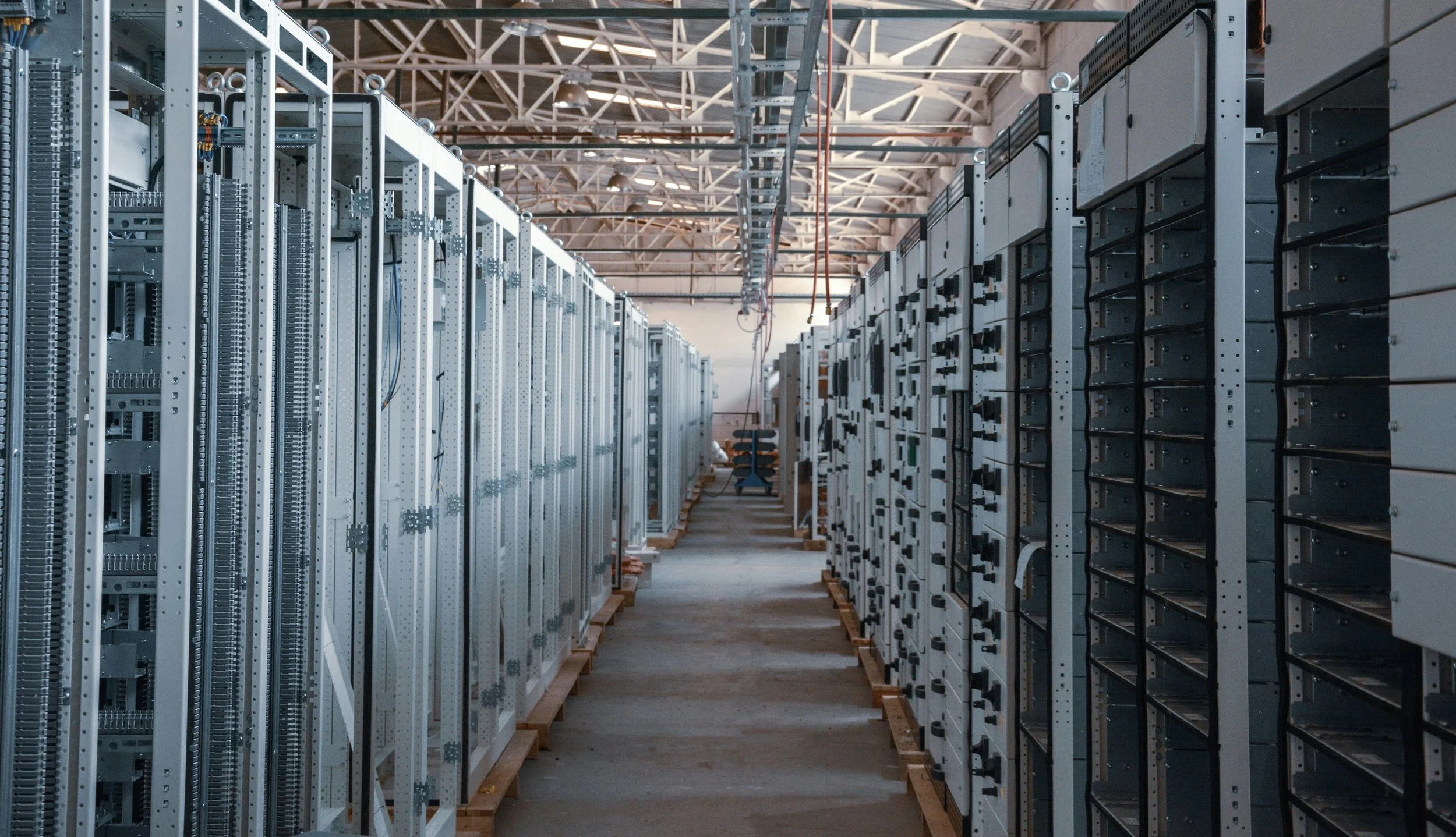
The companies creating these AI models primarily use water for cooling the large data centers that are used to run it. Creating a 100-word email with ChatGPT-4 consumes 1 500ml water, and that number only goes up with more significant requests. María Montero from IE University references the current projection for AI water use: “ AI-related data centers could consume more than 1 trillion liters annually by 2028, an elevenfold increase from 2024.” People across the world are rightfully concerned about this fact because so much of the people in our Earth lack safe drinking water, as UNICEF shares, “despite gains since 2015, one-quarter of the world's population — some 2.1 billion people — still lack access to safely managed drinking water, defined as on the premises, free from contamination and available when needed;”. Activists are fighting against AI systems’ unethical use of water because there really isn’t water to waste.
How does AI use water?
Two of the major ways water is used with AI systems are cooling and electricity generation. Cooling is essential for these massive servers, as they generate significant heat, and water-based systems such as evaporative cooling towers or liquid cooling are essential to prevent overheating. This method leads to significant water loss overtime though evaporation, maintenance, and constant use. Additionally, electricity generation uses water because data centers need electricity to run, which usually comes from power plants (nuclear, thermal, etc.), and these plants use lots of water to generate steam and cool, another avenue of water loss. However, AI companies have taken steps to conserve water, mainly through recycling. For example, Google has a data center in Douglas County, Georgia, and according to the WaterReuse organization, “[Google] diverts 30% of wastewater from the local municipal treatment plant for recycling, piping it into the data center for cooling.” In 2023 itself, they made a major step in environmental change, withdrawing 345.6 million gallons for its data centers, but 90% of it was recycled water! This investment lays an important framework that, if other AI companies implement, could really make a positive impact on water consumption compared to the clean water that was used strictly earlier.
However, its also valuable to note that the water is technically recycled back into the Earth’s natural water cycle through evaporation. It will eventually fall as rain, but the concern many have is that this removes liquid from the local watershed (a land area that collects and channels rainfall and snowmelt into a common outlet, like a river, lake, or ocean, defined by natural ridges that direct water flow downhill), which can really hurt local places that are in drought.
Think About Your Use
While artificial intelligence is one of the most brilliant things in our world today, with capabilities we could only dream about a couple of decades ago, it is important to be sensible about our use. Unnecessarily using ChatGPT, Claude, and other AI systems has a real effect on our environment, especially in water-scarce regions, so think twice before you send that message! Be safe and conservative when using AI to help protect and heal our planet.
References
IE University. “From Cloud to Cup: How Much Water Does Your ChatGPT Drink?” October 9, 2025. IE Insights. https://www.ie.edu/insights/articles/from-cloud-to-cup-how-much-water-does-your-chatgpt-drink/.
The Economic Times. “AI Data Centers to Drive 11-Fold Rise in Water Consumption by 2028: Morgan Stanley.” September 8, 2025. https://cio.economictimes.indiatimes.com/news/data-center/ai-data-centers-to-drive-11-fold-rise-in-water-consumption-by-2028-morgan-stanley/123756521.
University of Illinois, Department of Civil & Environmental Engineering. “AI’s Challenging Waters.” Accessed [insert date accessed]. https://cee.illinois.edu/news/AIs-Challenging-Waters.
WateReuse Association. “Artificial Intelligence & Water Reuse.” Accessed [insert date accessed]. https://watereuse.org/educate/types-of-reuse/artificial-intelligence-reuse/.
UNICEF USA. “1 in 4 Worldwide Still Lack Access to Safe Drinking Water.” UNICEF USA. https://www.unicefusa.org/stories/1-4-worldwide-still-lack-access-safe-drinking-water.
The Times (London). “‘Thirsty’ ChatGPT Uses Four Times More Water Than Previously Thought.” October 4, 2024. https://www.thetimes.com/uk/technology-uk/article/thirsty-chatgpt-uses-four-times-more-water-than-previously-thought-bc0pqswdr.