
Do you get Déjà vu?
Do you get Déjà vu?
Written by: Paige Leal
Déjà vu isn’t just a song by Olivia Rodrigo, but it is also a feeling. Have you ever heard someone say something, or experienced a completely normal moment and suddenly thought, “Wait… haven’t I done this before?” That strange feeling is called déjà vu, which is French for “already seen.” It can make an ordinary mo ment feel like it has somehow been copied from the past, even when you know you have never experienced it before.
Déjà vu is actually a temporary feeling of familiarity rather than a real memory. Your brain is constantly taking in information and comparing new experiences with things you have experienced before. Most of the time, this process works perfectly. You recognize something familiar and can remember where you have seen it. During déjà vu, however, the feeling of familiarity appears without a specific memory to explain it.
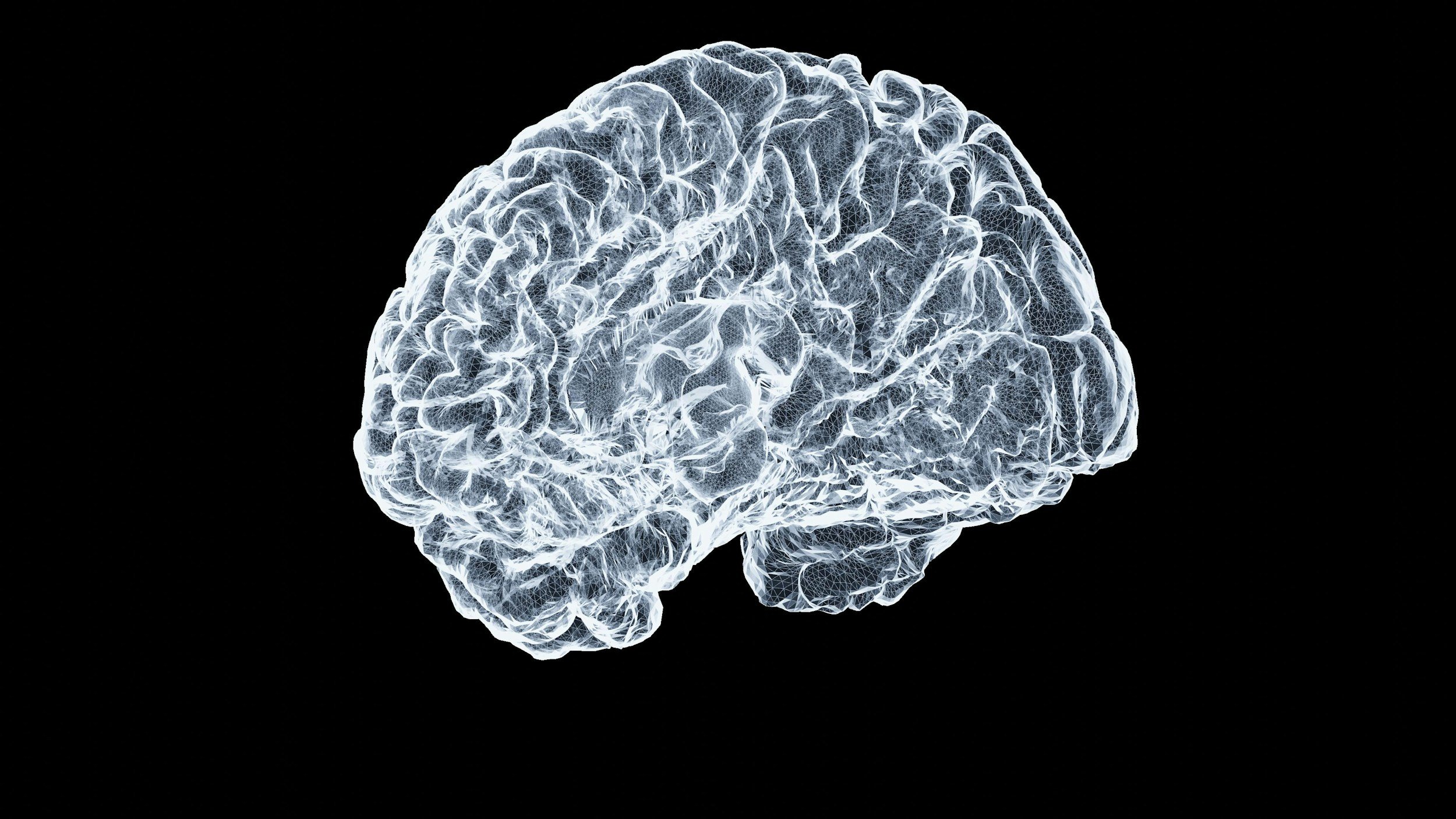
So what is happening inside your brain? Several areas involved in memory and recognition work together when you experience something new. The hippocampus, a part of the brain involved in forming and retrieving memories, helps determine whether an experience is new or familiar. Another idea is that the brain's familiarity system reacts just slightly before the memory system can figure out why something feels familiar. The result is a tiny mismatch that makes a brand-new experience feel strangely familiar.
Another explanation involves something called implicit memory. Sometimes a new place or situation may share small details with something you experienced in the past. Maybe the layout of a room reminds you of another place, or the way people are sitting looks familiar. You might not consciously remember the original experience, but your brain can still recognize similarities. That hidden connection may create the feeling that you have been there before but you just can’t quite place it.
Déjà vu can feel incredibly convincing, which is what makes it so strange. For a few seconds, your brain is basically saying, “This has happened before I know it!” while another part of your mind is responding, “Nope, definitely not.” This clash between familiarity and reality is what gives déjà vu its eerie, conflicted feeling.
The good news is that occasional déjà vu is completely normal. Most people experience it at some point in their lives, and it usually disappears almost as quickly as it arrives. Scientists are still studying exactly why it happens, but research continues to reveal more about how our brains recognize memories and experiences.
So, the next time you get that weird déjà vu feeling, you probably aren't predicting the future or remembering another life. Your brain is just doing something fascinating, most likely briefly confusing familiarity with memory. It may be a little strange, but that tiny glitch shows just how complicated and amazing the human brain really is, it also is impressive that déjà vu doesn’t happen as often.
References
Cleveland Clinic. 2025. “That Strange Feeling of Déjà Vu — Explained.” Cleveland Clinic, June 17, 2025. https://health.clevelandclinic.org/deja-vu-what-it-is-and-when-it-may-be-cause-for-concern.
ReachLink. 2026. “What Your Brain Is Actually Doing During Déjà Vu.” ReachLink, July 23, 2026. https://www.reachlink.com/advice/general/what-your-brain-is-actually-doing-during-deja-vu/.