
The Return of Digital Cameras
The Return of Digital Cameras
Written by: Keya Gambhir
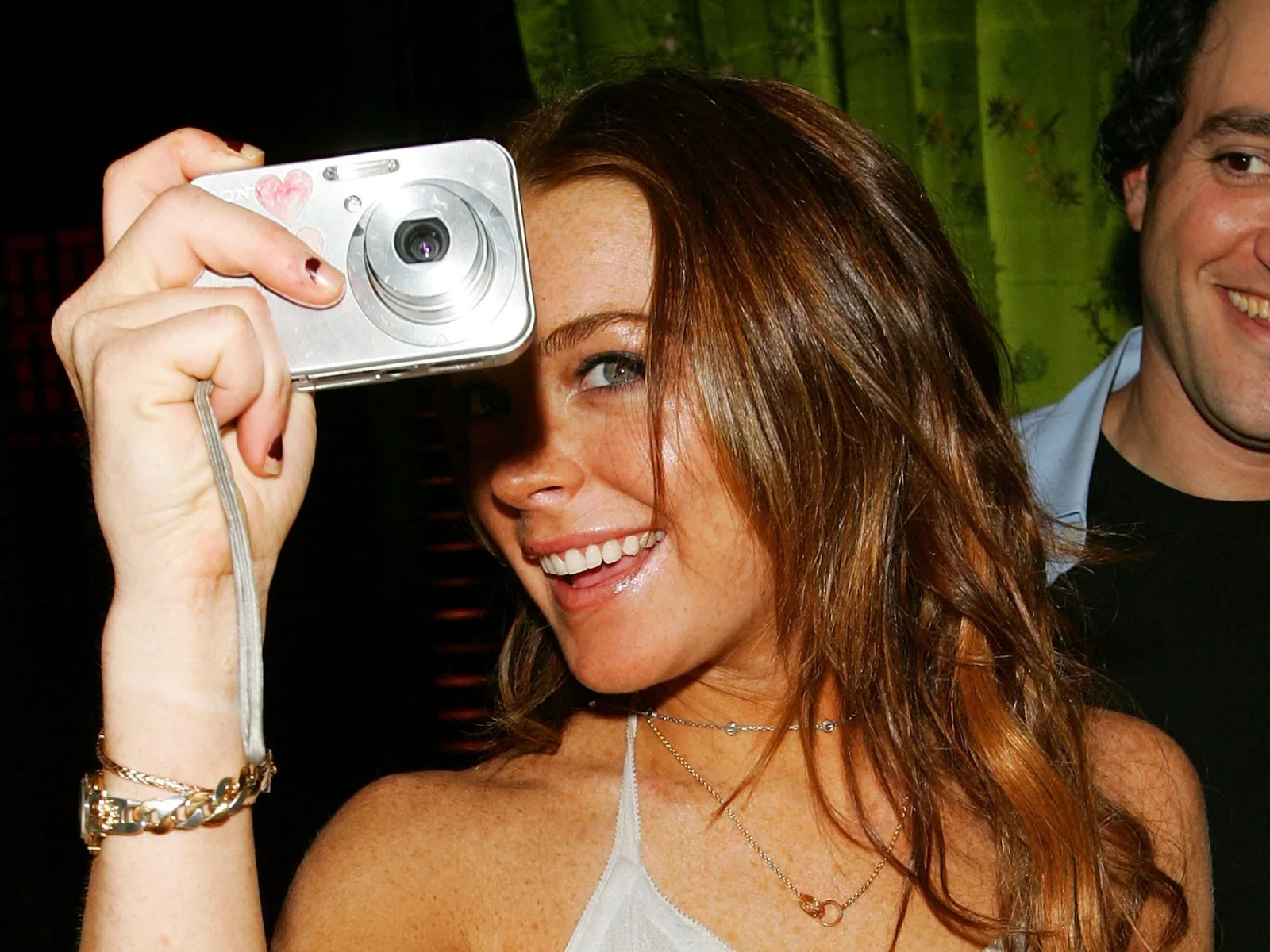
For years, smartphones have completely replaced digital cameras for everyday photography. It became normal to pull out a phone, snap a picture, and instantly upload it to social media. But recently, something unexpected has happened: digital compact cameras are making a comeback, especially among teens and young adults.
These “digicams,” once considered outdated technology, are now showing up everywhere—from Instagram feeds to TikTok trends. Even old models that used to sit forgotten in drawers are suddenly in demand again. So why are people going backward in technology when phones clearly take better photos?
Nostalgia for the Early 2000s
One major reason is nostalgia. Many young people are fascinated by the early 2000s aesthetic, also known as the Y2K era. Digital cameras were a big part of that time. They were used at school events, birthday parties, and nights out with friends, creating slightly blurry, flash-heavy photos that feel very different from today’s polished smartphone images.
These imperfections are exactly what people are drawn to now. The grainy quality, red-eye flash, and lower resolution create a “real life” feeling that contrasts with highly edited social media posts. Instead of looking perfect, digital camera photos feel spontaneous and unfiltered.
A Reaction to Overly Perfect Smartphones
Modern phones use advanced software to enhance photos automatically. They smooth skin, adjust lighting, sharpen details, and sometimes even change colors. While this makes photos technically better, it can also make them feel less authentic.
Many users, especially younger generations, are starting to feel that smartphone photos look too similar to each other. Everything appears polished, edited, and sometimes artificial. Digital cameras offer a break from that. What you see is closer to what you get, without heavy background processing.
This shift reflects a larger trend: people are starting to value authenticity over perfection in online spaces. A slightly blurry digital camera photo can feel more honest than a perfectly edited phone image.
A More Intentional Way of Taking Photos
Another reason for the comeback is how digital cameras have changed the way people take pictures. Smartphones encourage endless scrolling and unlimited photos. It is easy to take 100 pictures and delete them later without thinking much.
Digital cameras feel more limited. They often have smaller storage cards, slower processing, and fewer features. This forces users to be more intentional. Instead of taking dozens of identical shots, people think more carefully before pressing the shutter button.
This slower process makes photography feel more meaningful. The photo becomes something you choose to capture, not something you constantly produce.
Staying Off Phones and Living in the Moment
For many young people, digital cameras also offer something surprisingly simple: a break from their phones.
Phones are not just cameras—they are also social media, messaging apps, notifications, and distractions. Taking photos on a phone often leads to getting pulled into texts, apps, or endless scrolling.
A digital camera removes that problem completely. It allows people to take photos without being connected to the internet or distracted by notifications. This helps them stay more present in social situations like concerts, trips, or time with friends.
Influence of Social Media Trends
Ironically, social media is also responsible for the revival of digital cameras. TikTok and Instagram have helped popularize the “digicam aesthetic,” where creators intentionally use old digital cameras to achieve a retro look.
This trend has made older cameras cool again, especially among Gen Z users who enjoy vintage styles in fashion, music, and photography. As more influencers use digital cameras, more people are encouraged to try them out for themselves.
Different Look, Different Feel
Even though smartphone cameras are more advanced, digital cameras still offer a unique style. Their flash tends to be harsher, colors can look slightly off, and images often have a softer, grainier texture.
Instead of trying to compete with phone cameras, digital cameras offer something different. They create a specific mood—fun, nostalgic, and a bit imperfect. That difference is exactly what makes them appealing.
A Trend That Blends Old and New
The return of digital cameras is part of a larger pattern where older technology becomes trendy again. Just like vinyl records, film photography, and wired headphones, digicams are being rediscovered by a new generation that did not grow up with them originally.
In a world where everything is digital, instant, and highly edited, people are starting to appreciate things that feel slower, simpler, and more real.
Conclusion
Digital cameras are not replacing smartphones, but they are carving out a new space in how people capture memories. Their comeback is driven by nostalgia, a desire for authenticity, and the appeal of being more present in everyday moments.
What once seemed like outdated technology is now a creative choice. And for many young photographers, the imperfections of digital cameras are exactly what make them perfect.
References
CNET. 2026. “It’s the 2000s Again: Why Classic Digital Cameras Are Making a Big Comeback.” CNET. https://www.cnet.com/tech/computing/say-cheese-5-reasons-why-digital-cameras-are-trendy-again/
Murashima, Claire. 2024. “Why Gen Z Loves the Digital Compact Cameras That Millennials Used to Covet.” NPR. https://www.npr.org/2024/12/09/nx-s1-5209770/gen-z-digital-compact-cameras-millennials-trendy
Cherwell. 2025. “Why the Rise of Digital Cameras?” Cherwell. https://www.cherwell.org/2025/04/29/why-the-rise-of-digital-cameras/