
All About Ducks
All About Ducks
Written by: Natalie Yao
Ducks are fascinating birds that can be found all around the world. They live near ponds, lakes, rivers, marshes, and even oceans. You may have seen ducks swimming or waddling along the shore. Ducks may look simple, but they have many special features that help them survive both in water and on land.
One of the most interesting things about ducks is their waterproof feathers. Ducks have a special gland near their tails that produces oil. They spread this oil over their feathers with their bills. The oil keeps water from soaking through to their skin, helping ducks stay warm and dry while they swim. Under their outer feathers, ducks also have soft, fluffy feathers called down that help keep their bodies warm. Ducks are also excellent swimmers. Their webbed feet work like paddles, pushing them through the water. When ducks walk on land, however, their wide feet can make them look like they are waddling from side to side. Some ducks spend most of their time floating on the surface, while others dive underwater to search for food. Ducks communicate using many different sounds. Although people often think of ducks saying “quack,” not every duck sounds the same. Some whistle, squeak, grunt, or make soft calls. Ducks also use body movements to communicate with one another.
Different kinds of ducks eat different foods. Many ducks eat water plants, seeds, grasses, insects, worms, snails, and small fish. Dabbling ducks often tip their bodies forward in shallow water, leaving their tails sticking up in the air while they search for food below the surface. Diving ducks can disappear completely underwater as they swim after food.
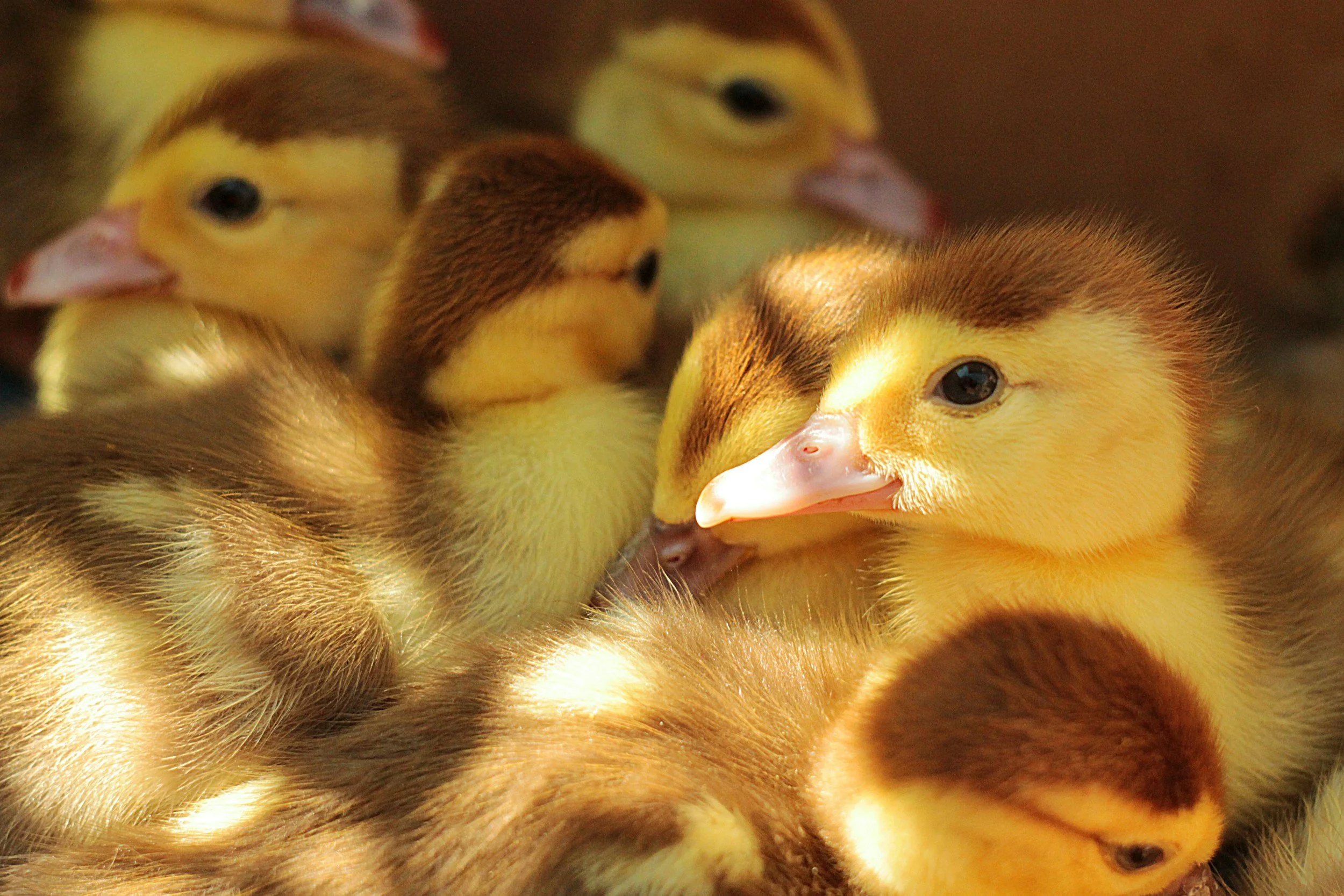
There are more than 100 species of ducks around the world. One of the most familiar is the mallard. Male mallards usually have shiny green heads, yellow bills, and brown chests, while females have mostly brown feathers that help them blend into their surroundings. This camouflage can be especially useful when female ducks are sitting on nests. Baby ducks are called ducklings. Soon after hatching, many ducklings are able to walk and swim. They usually follow their mother closely as she leads them to food and protects them from danger. A mother duck may have several ducklings following behind her in a neat little line.
Ducks play an important role in nature. They eat insects and plants, provide food for other animals, and can help spread seeds from one place to another. They are also an important part of wetland ecosystems.
References
Encyclopaedia Britannica. n.d. “Duck.” Britannica Kids. https://kids.britannica.com/kids/article/duck/390384.
National Geographic Kids. n.d. “Mallard Duck.” National Geographic Kids. https://kids.nationalgeographic.com/animals/birds/facts/mallard-duck.