
Excellent Eagles
Excellent Eagles
Written by: Natalie Yao
Eagles are large, powerful birds of prey that live in many parts of the world. They can be found near mountains, forests, grasslands, deserts, rivers, and oceans. More than sixty species of eagles exist, and each one is specially adapted to its home.
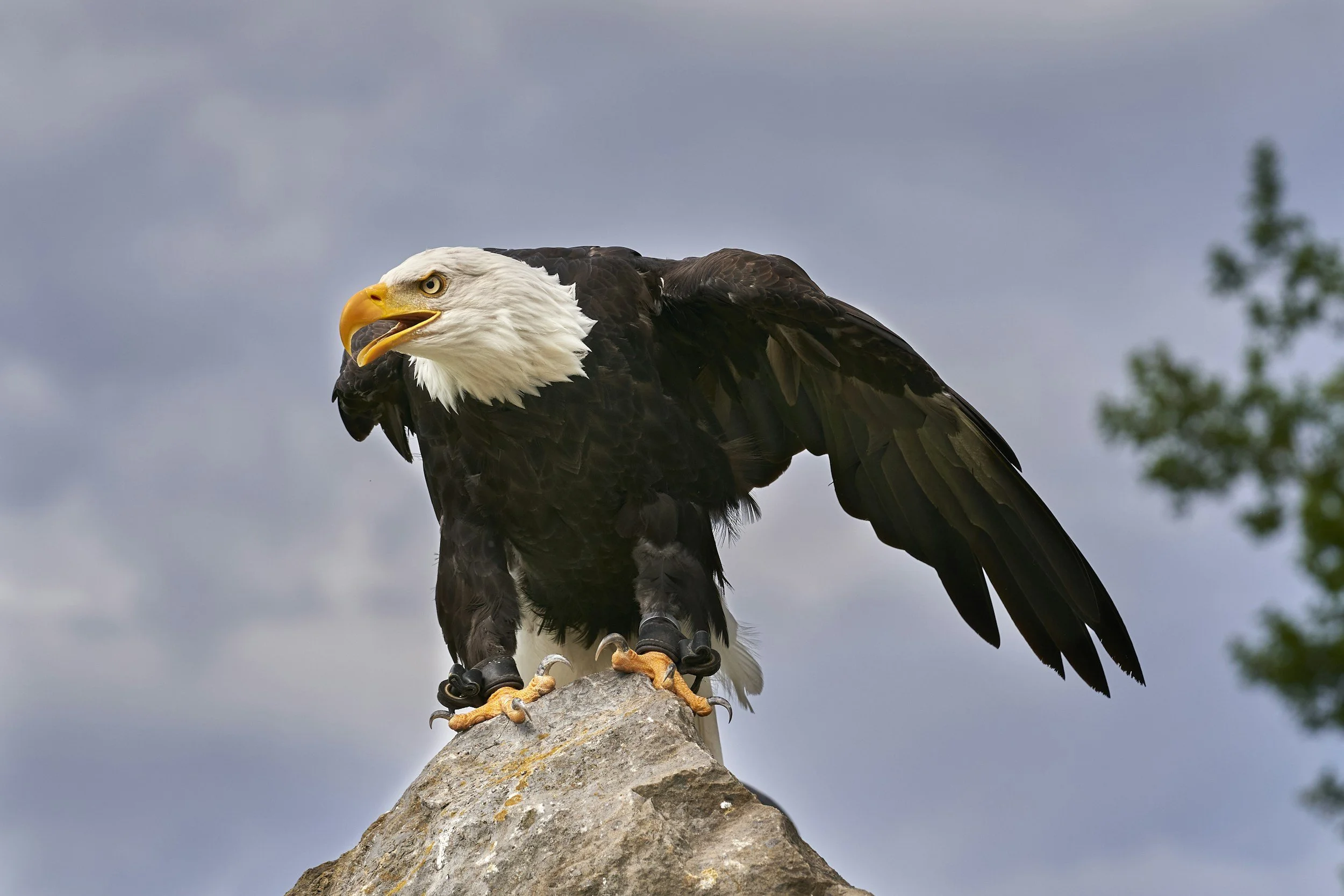
One famous species is the bald eagle, the national bird of the United States. Adult bald eagles have bright white feathers on their heads and tails, which stand out against their dark brown bodies. Young bald eagles are mostly brown and may not grow white head feathers until they are about five years old. Baby eagles are called eaglets. When eaglets hatch, they are covered with soft, fluffy down. Their parents protect them and bring food until they become strong enough to fly. Young eagles flap, hop, and balance near the nest before taking their first trip into the air.
An eagle has excellent eyesight. From high in the sky, it can spot a small animal moving far below. Scientists believe some eagles can see several times more clearly than people. Their eyes face forward, helping them judge distance when they dive toward prey.Eagles also have strong feet called talons. Their sharp, curved claws help them catch and hold animals such as fish, rabbits, snakes, and rodents. A hooked beak makes it easier to tear food into bite-sized pieces. Although eagles look fierce, they do not hunt people. Eagles fly by stretching out their broad wings and riding rising currents of warm air. This lets them travel long distances without constantly flapping. Some species can fly thousands of feet above the ground and reach impressive speeds during a dive.
Many eagles build enormous nests, called eyries, in tall trees or on rocky cliffs. They use sticks to form the nest and softer materials, such as grass, moss, and feathers, to make the inside comfortable. Eagle pairs may return to the same nest every year, adding more sticks each time. After a while, a nest can become wider than a dining table!
Even these mighty birds need protection. Pollution, habitat loss, hunting, and dangerous power lines have harmed eagle populations. Bald eagles were once endangered in the United States, but conservation laws and cleaner waterways helped them recover. Today, people protect nesting areas and rescue injured birds.
References
Encyclopaedia Britannica. n.d. “Eagle.” Britannica Kids. https://kids.britannica.com/kids/article/eagle/353071
National Geographic. n.d. “Bald Eagle.” National Geographic Kids. https://kids.nationalgeographic.com/animals/birds/facts/bald-eagle