
A 7.4 Magnitude Earthquake Strikes Colombia
A 7.4 Magnitude Earthquake Strikes Colombia
Written by: Sitara Nair
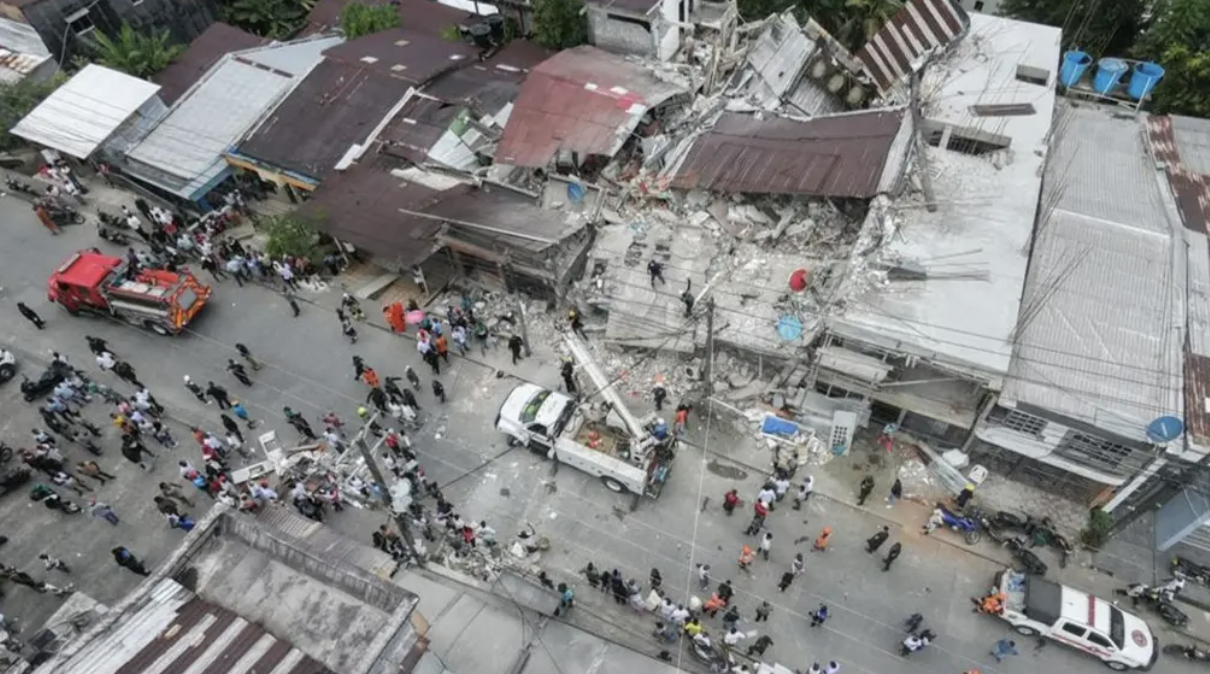
On August 10th, 2026, at 12:34 AM GMT, a 7.4 Magnitude earthquake hit Colombia, Ecuador, and Panama, causing multiple injuries to civilians and the collapse of many buildings. This earthquake was just 6 miles from El Cairo, Valle del Cauca, Colombia, a scenic mountain municipality that sits just about 1,850 meters above sea level. This major environmental disaster caused at least 20 buildings to collapse and triggered emergency rescue operations to find survivors that were trapped in the rubble. Unfortunately, the quake resulted in over 130 deaths nationwide in Colombia, and the country is in a state of shock as they try to recover.
Colombia is a very seismically active country, with “strict seismic-resistant building regulations” according to BBC, so many buildings were able to stay strong despite the magnitude of this Earthquake. According to Democrata, Colombia has about 2500 earthquakes monthly (approx. 80 daily), meaning the country isn’t totally unfamiliar with Earthquake protocol. Colombia is very seismically active because it sits where several tectonic plates meet. The Nazca Plate is moving underneath the South American Plate, while the Caribbean Plate also interacts with the region. These movements actually create a lot of pressure along faults in the Earth’s crust, which can suddenly be released as earthquakes. Colombia also has many active fault systems, making earthquakes common across different parts of the country.
As stated before, the earthquake caused major damage across Colombia. Buildings collapsed, roads were damaged by landslides, and some airports and other infrastructure were affected. More than 200 people were killed and hundreds were injured, with Cali and Pereira among the hardest-hit areas. Many people were trapped under rubble and needed to be rescued. Some areas also lost water and electricity, slowing down the recovery process for many communities. The earthquake also caused tons of fear as aftershocks continued throughout the nation.
After the initial earthquake, emergency workers, firefighters, police, and volunteers immediately searched through collapsed buildings for survivors needing to be rescued. Rescue teams were able to use heavy machinery as well as their hands to remove rubble, and hospitals treated the thousands of injured people. The Colombian government declared national disaster and provided financial support and emergency assistance to those who lost their homes. Beyond Colombia, other countries offered help, including the United States, which provided $15.5 million in aid. To fully recovery from this disaster will be a long, arduous journey, involving repairing roads, restoring water and electricity, rebuilding homes and buildings, as well as supporting people who were affected by the disaster.
In conclusion, the earthquake in Colombia really reveals how dangerous earthquakes can be, even in a country that is seismically active and has multiple protocols to handle the situation. However, this disaster does bring some good, and that is awareness to earthquake protocol. According to the American Red Cross and the Federal Emergency Management Agency, earthquake protocol revolves around Drop, Cover, and Hold On.
Drop: Get down onto your hands and knees right away before the shaking knocks you down.
Cover: Protect your head and neck with your arms. Crawl under a sturdy desk or table if one is close, or move next to an inside wall away from windows.
Hold On: Hold onto your shelter (or your head and neck) until the shaking completely stops.
There are several meaningful ways people can help. One of the most effective is donating money to trusted humanitarian organizations already working in Colombia. Groups such as the Colombian Red Cross, Direct Relief, UNICEF, and Project HOPE are supporting emergency needs including medical care, shelter, food, clean water, and supplies. Direct Relief, for example, is helping transport medical teams, blood, and emergency supplies into difficult-to-reach communities in Chocó.
People can also help by sharing verified information about relief efforts instead of rumors or unconfirmed reports. If you live near an affected area, donating blood or volunteering through an official organization may also be useful when authorities request it. Because thousands of people have been affected and many homes and essential services have been damaged, support will be needed not only during the rescue period but also throughout the longer process of rebuilding homes, schools, hospitals, and communities. Do what you can to help the community!
References
Langley, Michelle. “This Ancient Teenager Is the First Known Person with Parents of Two Different Species.” PBS NewsHour, August 23, 2018. https://www.pbs.org/newshour/science/this-ancient-teenager-is-the-first-known-person-with-parents-of-two-different-species.
McKie, Robin. “Meet Denny, the Ancient Mixed-Heritage Mystery Girl.” The Guardian, November 24, 2018. https://www.theguardian.com/science/2018/nov/24/denisovan-neanderthal-hybrid-denny-dna-finder-project.
Natural History Museum. “Who Were the Neanderthals?” Accessed July 31, 2026. https://www.nhm.ac.uk/discover/who-were-the-neanderthals.html.
Natural History Museum. “Denisovans.” Accessed July 31, 2026. https://www.nhm.ac.uk/discover/denisovans.html.