
Gandhi’s Peaceful Fight for Freedom
Gandhi’s Peaceful Fight for Freedom
Written by: Keya Gambhir
When people think about famous leaders who changed the world, one name often stands out: Mahatma Gandhi. Gandhi helped India gain independence from British rule, but he did it in a very unusual way. Instead of using violence or weapons, he believed in peace, truth, and nonviolent protest.
Gandhi was born on October 2, 1869, in Porbandar, India. His full name was Mohandas Karamchand Gandhi, but many people later called him “Mahatma,” which means “Great Soul.” As a child, Gandhi was shy and quiet. He was not known for being an amazing student or athlete, but he cared deeply about honesty and self improvement. His mother was very religious and taught him the importance of kindness, self control, and respecting others.
At age 18, Gandhi traveled to England to study law and become a lawyer. Living in England was difficult at first because the culture was very different from what he was used to in India. During this time, Gandhi became even more interested in ideas about morality, religion, and fairness.
After finishing his studies, Gandhi struggled to find work in India. In 1893, he accepted a job in South Africa. That decision changed his life forever.
While living in South Africa, Gandhi experienced racism firsthand. One famous moment happened when he was thrown off a train because he refused to leave a first class seat, even though he had bought a ticket. Gandhi was shocked by the unfair treatment toward Indians and other nonwhite people. Instead of staying silent, he decided to fight against injustice.
In South Africa, Gandhi began developing his idea of nonviolent resistance, also called satyagraha, which means “truth force.” This method encouraged people to protest unfair laws peacefully instead of fighting violently. Gandhi organized marches, protests, and boycotts to challenge discrimination. His peaceful protests attracted worldwide attention.
After more than 20 years in South Africa, Gandhi returned to India in 1914. At that time, India was controlled by Britain. Many Indians wanted freedom and independence, but they disagreed about how to achieve it. Gandhi quickly became one of the most important leaders in the independence movement.
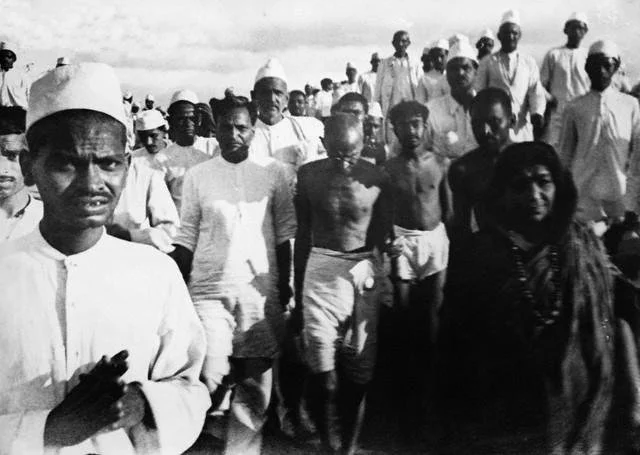
One of Gandhi’s most famous protests was the Salt March in 1930. Britain had placed a tax on salt, making it difficult for poor Indians to afford something they needed every day. Gandhi and his followers marched about 240 miles to the Arabian Sea and made their own salt to protest the unfair law.
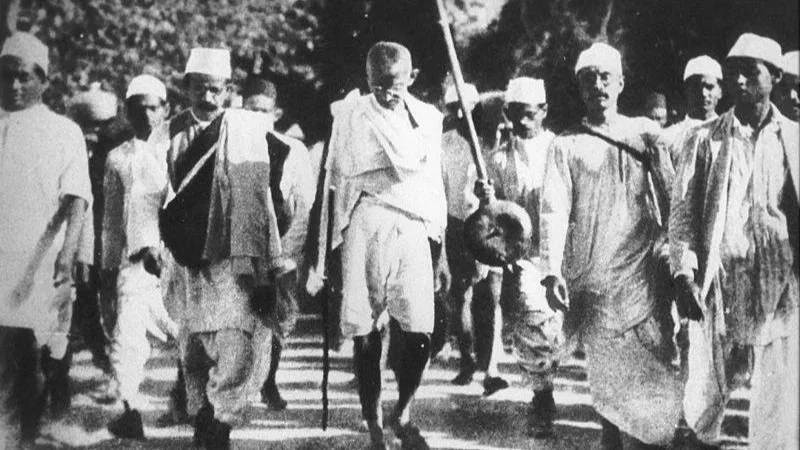
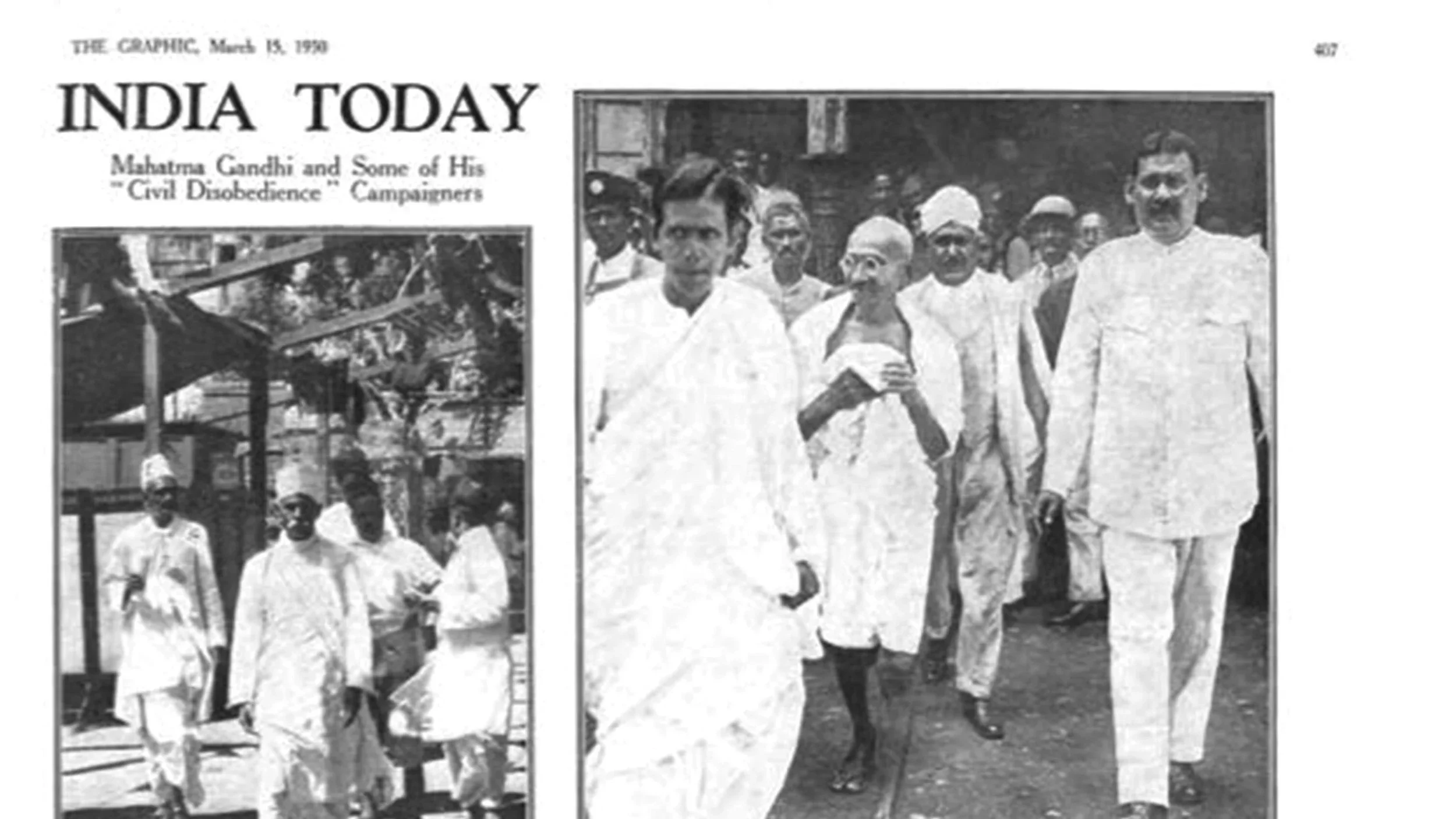
The Salt March inspired thousands of people to join the independence movement. Many protesters, including Gandhi, were arrested, but the movement continued growing stronger.
Gandhi also worked to improve life for poor people and spoke out against discrimination within India’s caste system. He encouraged people from different religions, especially Hindus and Muslims, to live peacefully together.
Finally, in 1947, India gained independence from Britain. However, the country was divided into two nations: India and Pakistan. Sadly, violence broke out between religious groups during the partition. Gandhi tried to stop the fighting by traveling to dangerous areas and fasting to encourage peace.
On January 30, 1948, Gandhi was assassinated in New Delhi by Nathuram Godse, a Hindu extremist who disagreed with Gandhi’s beliefs about religious tolerance. Millions of people around the world mourned his death.
Even after his death, Gandhi’s ideas continued spreading across the world. His philosophy of peaceful protest inspired many leaders, including Martin Luther King Jr. during the American Civil Rights Movement. King believed Gandhi showed that nonviolence could create real change.
Today, Gandhi is remembered as one of the most influential leaders in history. He proved that courage does not always come from fighting with weapons. Sometimes, the strongest form of protest is peaceful resistance, determination, and standing up for what is right.
References
Nanda, B.R., and Encyclopaedia Britannica Editors. “Mahatma Gandhi.” Encyclopaedia Britannica. Last modified May 19, 2026. https://www.britannica.com/biography/Mahatma-Gandhi.
“HISTORY.com Editors.” “Gandhi Assassinated.” HISTORY. Last modified January 27, 2026. https://www.history.com/this-day-in-history/january-30/gandhi-assassinated.
The Martin Luther King, Jr. Research and Education Institute. “Gandhi, Mohandas K.” Stanford University. https://kinginstitute.stanford.edu/gandhi-mohandas-k.
MKGandhi.org. “Salt March and Political Power.” https://www.mkgandhi.org/articles/salt-march-and-political-power.php.