
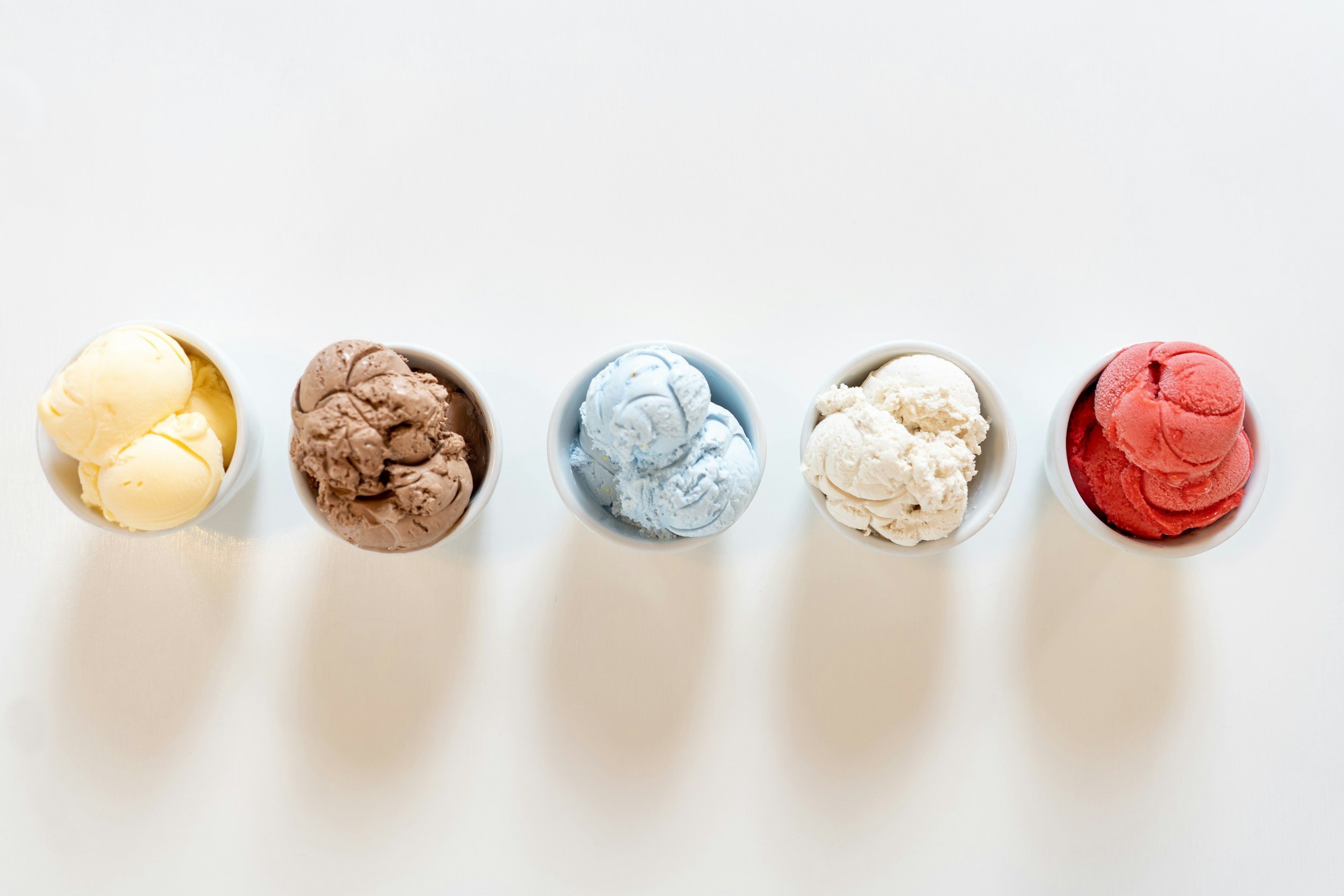
Gelato: A Frozen Treat
Gelato: A Frozen Treat
Written by: Paige Leal
On a hot summer day, there is nothing better than enjoying a cold and creamy dessert. Even though many people instantly go for ice cream, gelato has gained a reputation as a favorite all over the world because of its intense flavour and smooth consistency. Even though the two desserts appear to be the same, gelato has a distinct history and is prepared in a slightly different way, which is why it is its own dessert than ice cream or froyo.
The history of gelato goes back hundreds of years to Italy. It is thought that early forms of frozen desserts were being enjoyed long before the invention of modern refrigerators. At that time, people would mix snow or ice with fruit juices and sweet substances in order to make pleasant snacks. As the recipes were refined over time, Italian chefs came up with what is now known as gelato. It became particularly popular with wealthy families during the Renaissance and later on spread all over Italy then making its way to the rest of the world.
Today gelato is one of Italy's most well-known desserts and is eaten by millions of people each year. Gelato shops, which are called gelaterias, can be found in cities all over the world and provide a variety of flavours, including traditional ones such as pistachio and hazelnut as well as more inventive combinations that include cookies, fruit, chocolate and caramel.
Even though gelato and ice cream have quite a few of the same basic ingredients, they are not truly the same. They are both made up of milk, cream, sugar and flavourings, but the amounts used and the way they are prepared differ. Gelato contains more milk and less cream than traditional ice cream and has a lower fat content. It is also churned more slowly while it is being made and the result means that less air is incorporated into it. The gelato ends up being denser, smoother and often has a silkier texture.
A second difference concerns the temperature at which it is served. Gelato is generally served a bit warmer than ice cream. This may seem odd but it in fact makes the flavours come through more clearly. Because it is not as frozen, each mouthful melts more easily on the tongue allowing the ingredients to taste richer and have more of a distinct flavor.
Whether a person likes gelato or ice cream is generally a matter of personal taste. Some people prefer the light and fluffy texture of ice cream, whereas others favour the dense and creamy texture of gelato. Neither of the two desserts is superior to the other, as they are each their own, providing different experiences.
Since it first appeared in Italy it has come to be known all over the world as a delicious frozen dessert, and the dessert's long history, its special method of preparation and its strong flavors show that even a simple scoop can have a fascinating backstory.
References
International Wine & Food Society. n.d. “A Delicious History — Gelato: Past to Present.” International Wine & Food Society. Accessed August 2, 2026. https://www.iwfs.org/americas/wine-food---friends-1/articles/a-delicious-history----gelato-past-to-present.
Talenti Gelato. n.d. “Gelato vs. Ice Cream: The Secrets Behind the Scoop.” Talenti Gelato. Accessed August 2, 2026. https://www.talentigelato.com/us/en/blog-landing/gelato-vs-ice-cream-secrets.html.
Why Gelato. n.d. “The History of Gelato.” Why Gelato. Accessed August 2, 2026. https://whygelato.com/gelato-101/history/.