
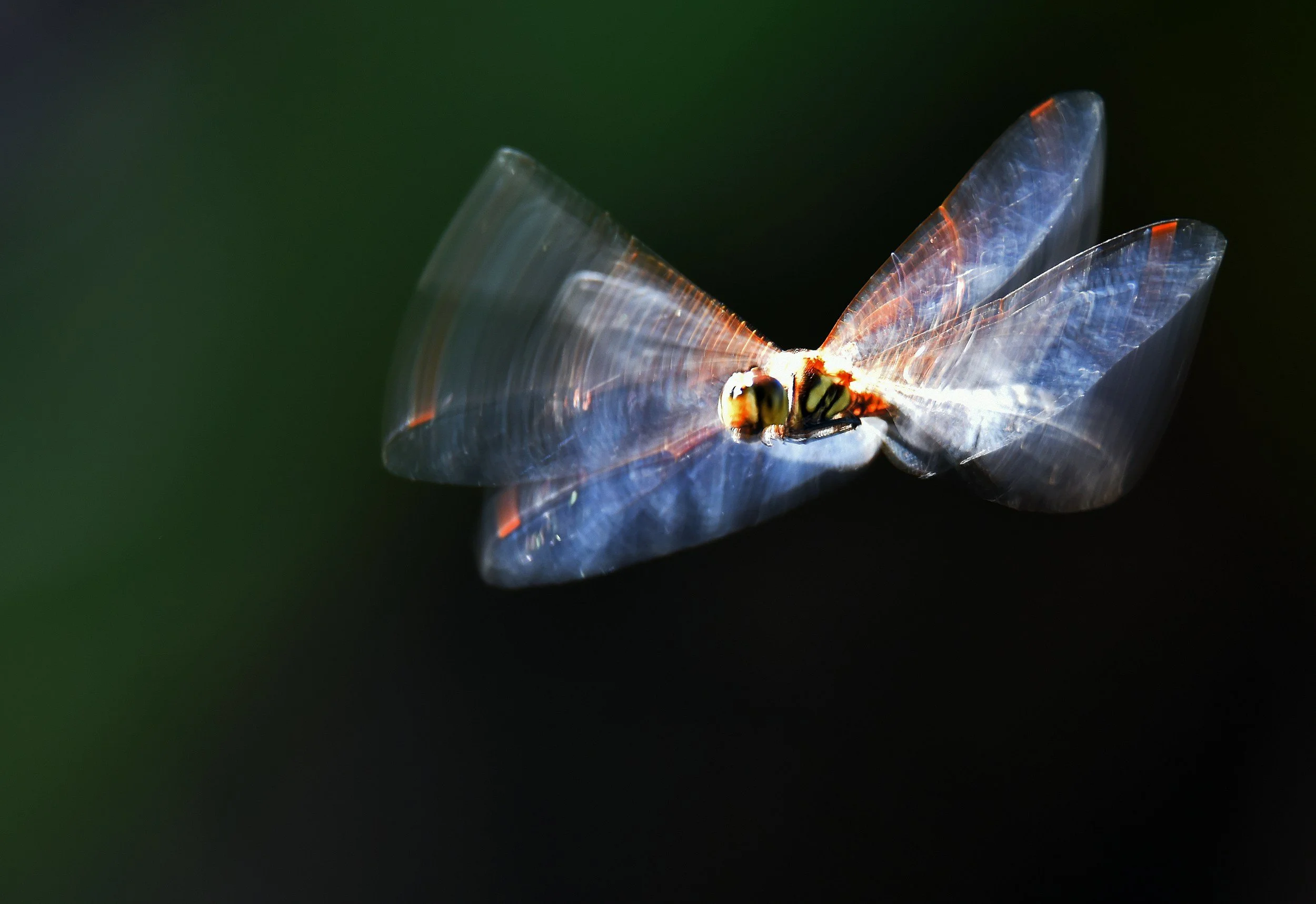
Glowing Insects: Fireflies
Glowing Insects: Fireflies
Written by: Paige Leal
Warm summer evenings become so magical as fireflies are lighting up the night sky. These tiny insects almost seem fake, they can just blink on and off in the darkness. While their glowing lights may feel like magic, there is actually a fascinating scientific explanation behind this natural phenomenon.
Fireflies are a type of beetle found in many parts of the world. They are best known for their ability to produce light through a process called bioluminescence. Big word right. Unlike a light bulb, which creates both light and heat, fireflies produce what scientists call "cold light." This means that nearly all of the energy used in the reaction becomes light instead of being wasted as heat.
The glow comes from a chemical reaction that takes place inside special light-producing organs located in the firefly's abdomen. A chemical called luciferin reacts with oxygen and an enzyme called luciferase. When these substances combine, they create the flashes of light that are unique to fireflies. The insect can control when it glows by regulating the amount of oxygen involved in the reaction.
But why do fireflies glow in the first place? One of the main reasons is communication. During the mating season, male fireflies fly through the air flashing specific light patterns. It is like a firefly version of morse code. Females watch the code flash from plants or the ground and respond with flashes of their own. Different species have different flash patterns, helping fireflies identify members of their own species. In a way, their flashing lights act like a secret language.
Fireflies may also use their glow for protection. Some species contain chemicals that make them taste unpleasant to predators. Their bright flashes can serve as a warning signal, letting potential predators know that they are not a good meal. Young fireflies, called larvae, can glow as well, which may help protect them before they become adults.
Unfortunately, the firefly population has been declining. Habitat loss, pollution, and artificial lights from cities can interfere with their ability to communicate and find mates. Scientists and conservation groups encourage people to protect natural habitats and reduce unnecessary outdoor lighting to help fireflies thrive.
Fireflies are much more than beautiful insects. Their glowing bodies are the result of an incredible chemical reaction that helps them communicate, survive, and reproduce. .
References
The National Inventors Hall of Fame. 2024. “What Makes Fireflies Glow?” National Inventors Hall of Fame. https://www.invent.org/blog/everyday-stem/what-makes-fireflies-glow.
National Wildlife Federation. n.d. “Fireflies.” National Wildlife Federation. Accessed June 22, 2026. https://www.nwf.org/Educational-Resources/Wildlife-Guide/Invertebrates/Fireflies.
Than, Ker. 2005. “How and Why Do Fireflies Light Up?” Scientific American, June 30, 2005. https://www.scientificamerican.com/article/how-and-why-do-fireflies/.