
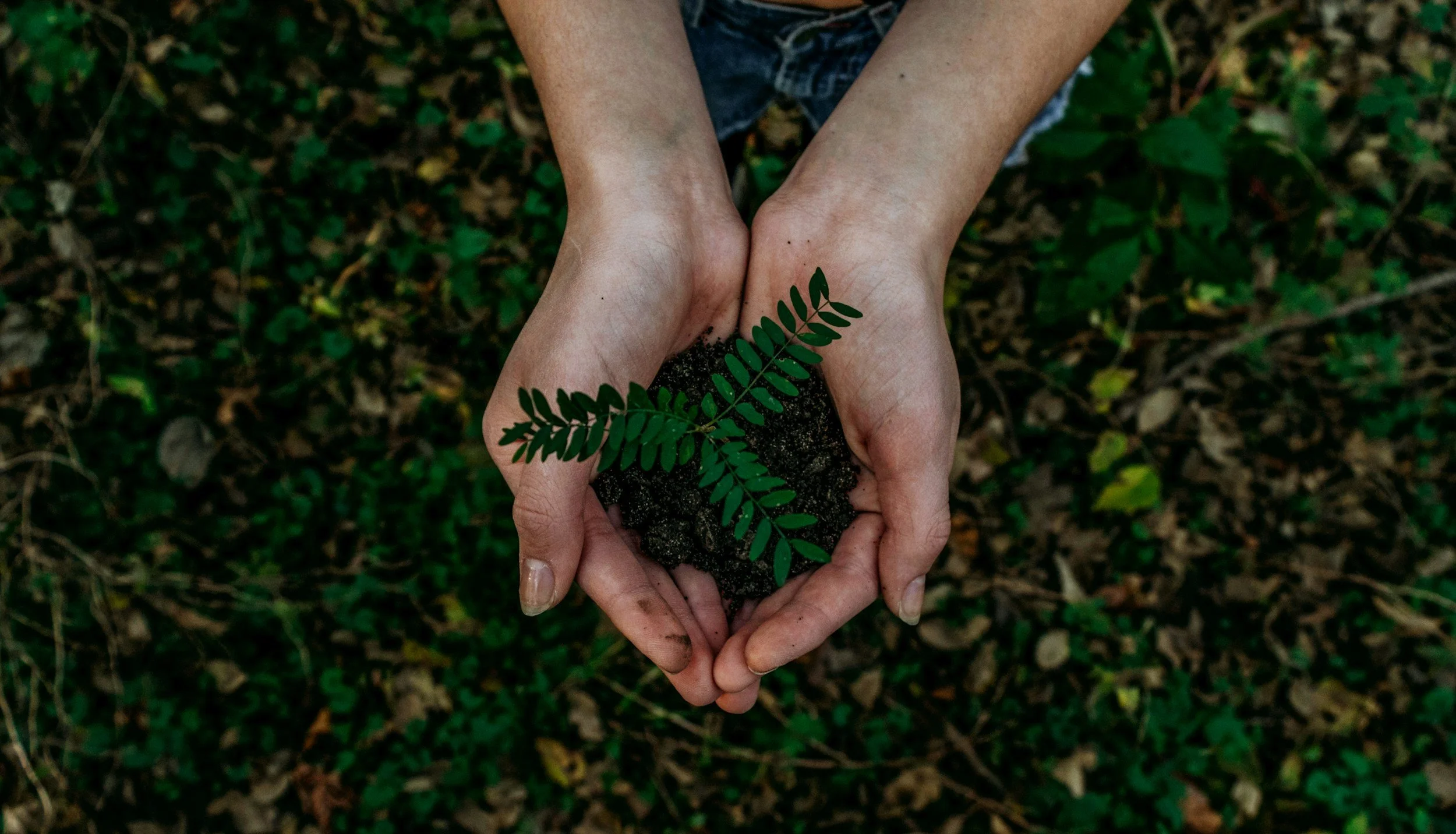
Happy Earth Day!
Happy Earth Day!
Written by: Sitara Nair
Just recently, on April 22, people all around the world celebrated Earth Day, a day dedicated to protecting our planet and raising awareness about environmental issues. You may have heard of Earth Day before, but what does it really mean, and why is it so important? Let’s dive in and explore why this global event matters more than ever today!
What IS Earth Day?
Earth Day is an annual event celebrated on April 22 that focuses on environmental protection and sustainability. It first began in 1970 in the United States, when millions of people came together to protest pollution and raise awareness about the damage being done to the planet. The movement quickly grew, and today, Earth Day is celebrated in over 190 countries worldwide!
The goal of Earth Day is simple: encourage people to take action to protect the Earth. This can include reducing waste, recycling, conserving energy, planting trees, and spreading awareness about climate change. Over time, Earth Day has helped inspire major environmental laws and agreements that protect air, water, and wildlife.
Why Does Earth Day Matter?
Our planet faces many environmental challenges, such as pollution, deforestation, and climate change. Earth Day reminds us that even small actions can make a big difference when millions of people work together. For example, reducing plastic use, saving water, or even biking instead of driving can help lower pollution and protect natural resources.
Earth Day also brings attention to global efforts to fight climate change. Organizations, schools, and communities host events like clean-up drives, educational workshops, and tree-planting campaigns. These activities not only help the environment but also inspire people, especially young students, to care about the future of the planet.
Earth Day Around the World
Earth Day is celebrated in many creative ways across the globe. In cities, people organize park cleanups and recycling drives. Schools often hold special lessons or projects focused on sustainability. Some communities even turn off lights for a period of time to save energy and raise awareness.
In recent years, social media has played a big role in spreading Earth Day messages. People share tips, challenges, and videos encouraging others to take part. Influencers, scientists, and environmental activists all come together to promote a cleaner, greener future.
How YOU Can help:
There are many simple ways people can help protect the environment in their daily lives. One important step is reducing waste. Using reusable items such as water bottles, shopping bags, and containers can lower the amount of plastic that ends up in landfills and oceans. Recycling materials like paper, glass, and metal also helps conserve resources and reduce pollution.
Saving energy is another effective way to help. Turning off lights when they are not in use, unplugging electronics, and using energy-efficient appliances can reduce electricity consumption. Transportation choices also matter: walking, biking, or using public transportation can help lower air pollution and greenhouse gas emissions.
Water conservation is equally important. Everyday actions like taking shorter showers, turning off the tap when not in use, and fixing leaks can reduce water waste. Conserving water helps protect this limited resource and supports ecosystems that depend on it.
Getting involved in community efforts can also make a difference. Many towns and schools organize activities such as park cleanups, recycling drives, and tree-planting events. These efforts help improve local environments and encourage greater awareness about environmental issues. In addition, supporting environmentally responsible products and companies can contribute to long-term change. Choosing items with less packaging or made from sustainable materials helps reduce environmental impact.
References
Earth Day Network. “Earth Day.” Accessed April 24, 2026. https://www.earthday.org/
Earth Day Network. “History of Earth Day.” Accessed April 24, 2026. https://www.earthday.org/history/
Earth Day Network. “Earth Day Tips.” Accessed April 24, 2026. https://www.earthday.org/earth-day-tips/
.