
The History of Cheese
The History of Cheese
Written by: Paige Leal
The cheese touch, a famous joke from the book Diary of a Wimpy Kid, makes cheese seem gross and avoidable, when really cheese is delicious and a fascinating food.
Ancient Roots
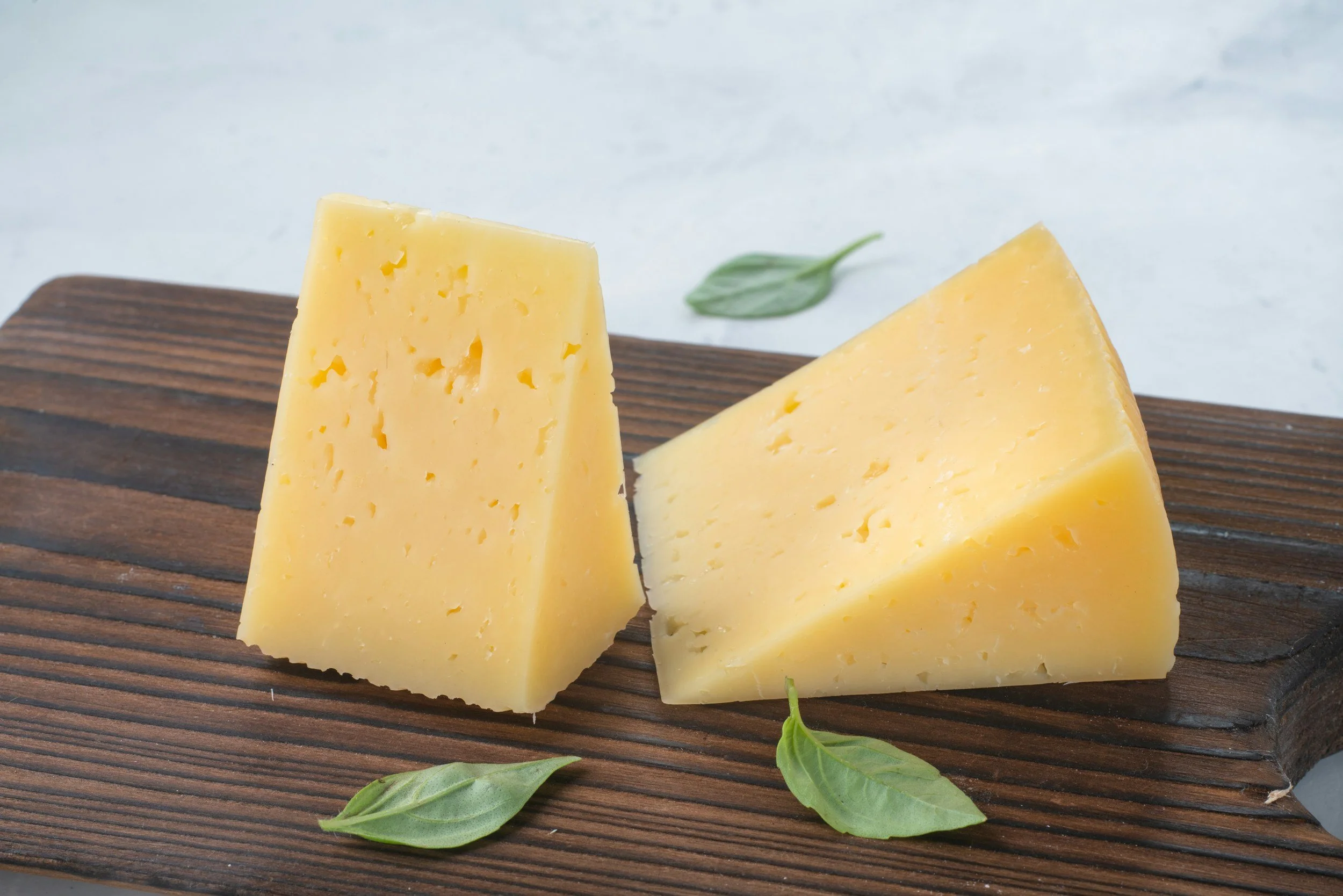
Cheese is one of the world’s oldest foods, enjoyed in many forms across cultures and continents. Cheese is made when milk is transformed through natural processes into a solid, flavorful product. While most people today think of cheddar, mozzarella, or brie, cheese’s roots reach far deeper into human history, connecting us to ancient civilizations and traditional food practices, shaping how we eat.
Cheese likely began thousands of years ago, around the time humans first domesticated animals and started using their milk. Archaeologists have found evidence of cheesemaking on pottery from around 5500 BCE in Europe, showing that people were intentionally curdling milk and separating curds. This was long before written history existed. Early cheese may have even been discovered by accident, when milk stored in warm conditions naturally fermented and separated, creating a food that lasted longer than fresh milk, the idea of cheese.
As time went on, cheese spread to different regions and cultures. By 2000 BCE, it was already known in ancient Egypt, and later the Greeks and Romans valued it as an everyday food and included it in myths and traditions. Cheesemaking techniques were passed down over generations, and cheese became an important way to preserve milk before refrigeration was invented.
Process
Cheese is made through a simple but important process called curdling. When milk is treated with acid, enzymes like rennet, or heat, the proteins clump together to form curds. These curds then are pressed and aged in many different ways, creating a wide variety of textures and flavors, from soft and creamy to hard and aged. The taste and smell of cheese depend on the type of milk used, the bacteria involved, and how the cheese is aged.
Cheese Currently
Today, there are thousands of different types of cheese around the world, each connected to a specific place and tradition. In Wisconsin, for example, cheesemaking became a major industry in the 1800s and now produces hundreds of varieties, including favorites like Colby and brick cheese. This may be why some people think of Wisconsin as the “cheese” state.
Cheese is still a major part of food culture today. Whether it’s melted on pizza, paired with crackers, or eaten on its own, cheese shows the creativity of cheesemakers and the long history of human food science. Its lasting popularity proves that even the oldest foods can still feel exciting and relevant in modern kitchens. Now go and enjoy some cheese!
References
Cheese.com. n.d. “Cheese.com – All Types of Cheese.” Cheese.com. Accessed January 26, 2026. https://www.cheese.com/.
Cheese.com. 2023. “How It All Started: The History Behind the Science of Cheese.” Cheese.com. Accessed January 26, 2026. https://www.cheese.com/blog/how-it-all-started-history-behind-science-cheese/.
Wisconsin Cheese. n.d. “Cheese Facts.” WisconsinCheese.com. Accessed January 26, 2026. https://www.wisconsincheese.com/about-cheese/cheese-fact