
Exploring Hungary
Exploring Hungary
Written by: Natalie Yao
Geography and Nature
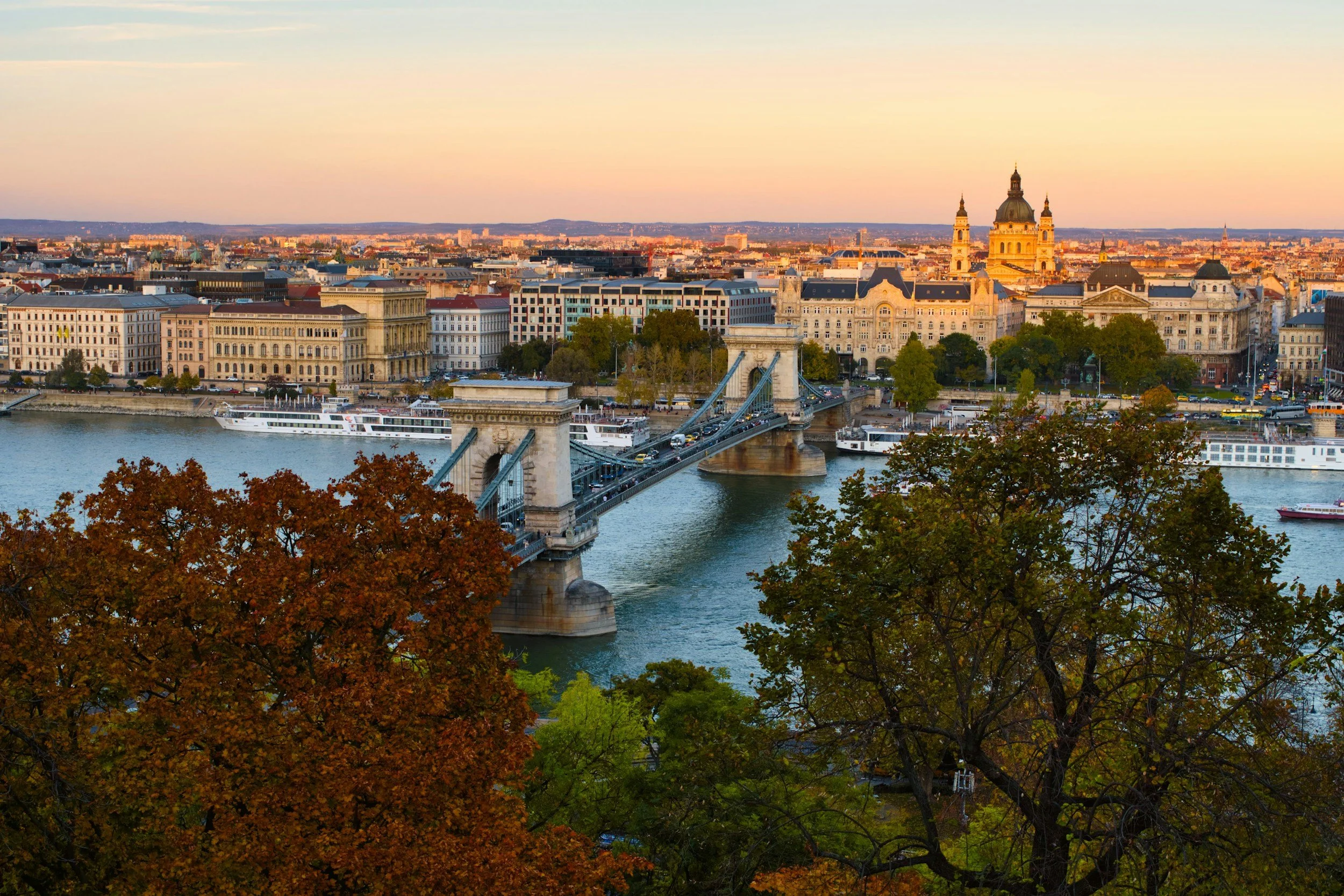
The country of Hungary is located in Central Europe and has a land area of about 36 thousand square miles. The nation is landlocked, meaning it does not touch any oceans and is completely surrounded by other countries. There are a lot of countries that border Hungary such as Slovakia, Ukraine, Romania, Serbia, Croatia, Austria, and Slovenia. The majority of the land in Hungary is flat, largely because of a region called the Great Hungarian Plain. This area is home to a lot of agriculture. Hungary also has big and important freshwater lakes like Lake Heviz and Lake Balaton. In fact, Lake Balaton is Central Europe’s largest lake, being about 9 miles long. In addition, the Danube River flows through the center of the country and runs through an additional 9 countries, which is then emptied in the Black Sea. The climate in Hungary is continental, which means that the summers are warm and the winters are chilly. Some major Hungarian cities include its capital Budapest, Debrecen, Szeged, Miskolc, and Pecs.
Hungary is divided into three ecological regions: the Great Hungarian Plains, the Northern Hills, and the Transdanube. The Great Hungarian Plains are in the central and eastern part of the country, and is mostly grassland. Many animals can be found in the Plains, such as roe deer, wild boars, red foxes, mouflon sheep, and eagles. To the north of the plains are the hills, which is actually a mountain range, then to the west of the Danube River is the hill covered region of the Transdanube.
People and Culture
In Hungary, most of the population is made up of ethnically Hungarians, but there are also many minority groups that live there. The majority of Hungarians are Roman Catholic, and there is a large part of the population that is not religious. Additionally, most Hungarians live in cities. Classical music is also a huge part of Hungarian culture, and was home to many famous composers such as Franz Liszt and Bela Bartok.
Hungarian cuisine is influenced by what once was the Austro-Hungarian Empire. Their food is known for being flavorful because it is rich in paprika, sour cream, and onions. Other key ingredients are pork, potatoes, beef, and cabbage.
Some popular dishes include:
Goulash: A famous stew with meat, paprika, and vegetables
Töltött Káposzta: cabbage leaves stuffed in meat and rice
Langos: a flatbread that is deep-fried and topped with sour cream, garlic, and cheese
Dobos Torte: a sweet sponge cake with layers of chocolate buttercream and caramel on top
National Symbols
National Flower: the Tulip
National Tree: Hungarian Acacia
National Colors: Red, White, and Green
References
National Geographic Kids. 2025. “Hungary.” https://kids.nationalgeographic.com/geography/countries/article/Hungary.
Britannica Kids. 2025. "Hungary." https://kids.britannica.com/kids/article/Hungary/345705.