
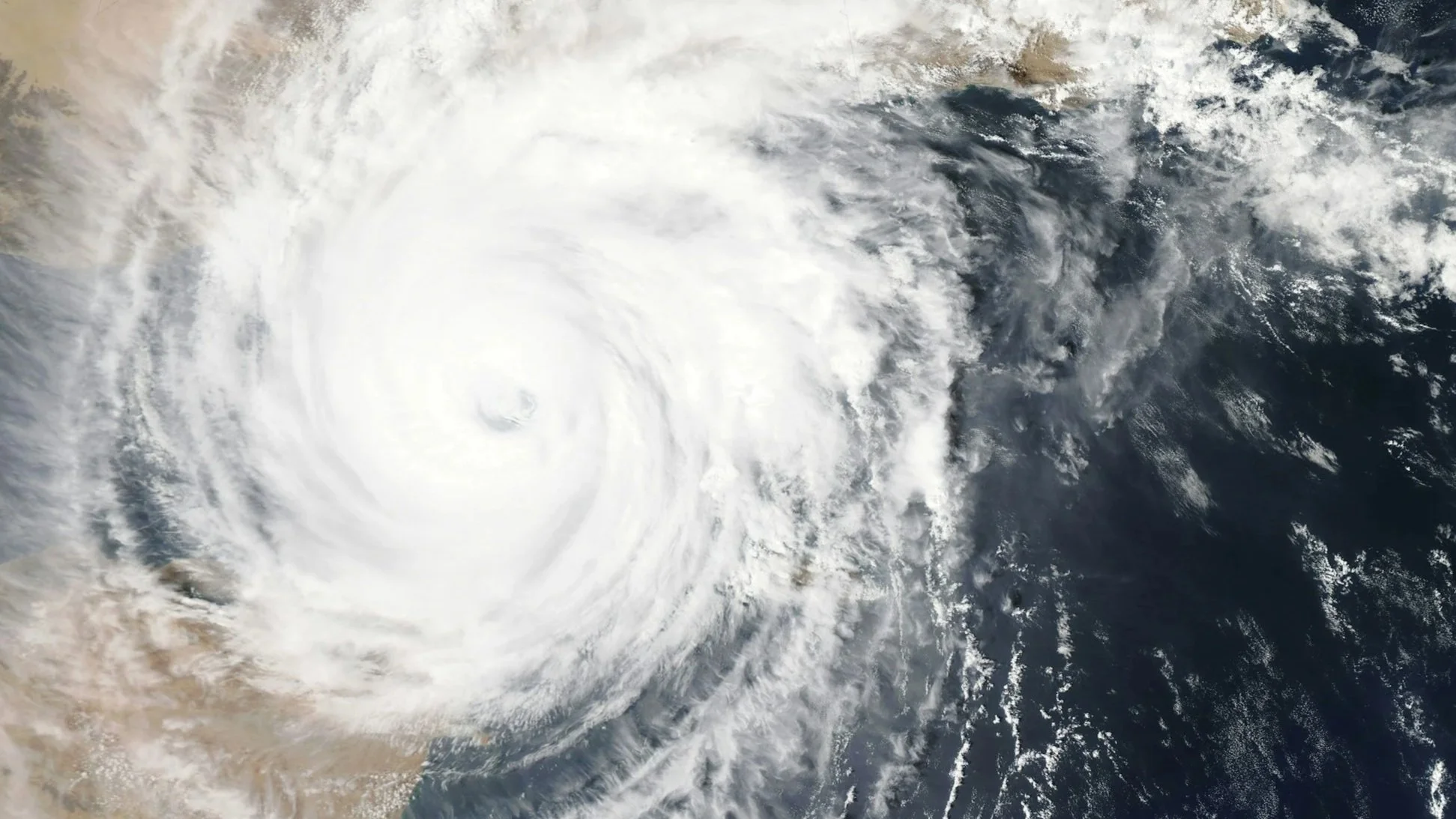
Hawaii's Recent Hurricane Nolo
This month (September 2026) Hurricane Nolo, a tropical cyclone, began in the pacific Ocean, south of the Hawaiian Islands. This powerful huricane sustained winds of around 105 to 130 mph and is the 19th named storm and the 9th hurricane of the active 2026 Pacific hurricane season.
What Are Hurricanes? How do They Occur?
Scientifically, hurricanes are known as a tropical cyclone, but they have a number of names across the globe; hurricanes in the North Atlantic and eastern Pacific, typhoons in the western Pacific, and cyclones in the Indian Ocean and South Pacific. Regardless of names, these events are massive rotating storm systems that form over warm tropical waters and must have winds of 74 miles per hour at the least. A hurricane has three main parts: the eye, the calm, low-pressure center; the eyewall, which surrounds the eye and contains the strongest winds and heaviest rainfall; and the rainbands, which spiral outward from the center and bring additional rain and storms
Hurricanes use warm, moist air as their main source of energy. These powerful heat engines form over ocean waters with surface temperatures of at least 80°F (26.6°C). The warm water causes moisture to evaporate and rise into the atmosphere, fueling the developing storm. For a hurricane to strengthen, the warm water generally needs to extend to a depth of about 50 meters.They also need moist, unstable air; rising warm air cools and condenses into clouds and those release heat which will further drive the storm higher. Additionally, low wind shear contributes to hurricanes, upper-level winds must be weak so they do not blow or tear the storm. Finally, the Earth’s rotation creates a force that deflects winds and causes the storm system to spin and rotate, this is known as the Coriolis Effect.
About Hurricane Nolo
Hurricane nolo has reached Catergory 4 according to the Weather Channel and has winds increasing 55mph in just 24 hours. Hurricane Nolo was south-west of Honolulu and slowly starting to move away from Honolulu, Hawaii, but heavy rain, strong winds, flash flooding, and mudslides were a huge threat as the islands recovered from previous storms. At the same time, Hurricane Polo, a Category 3 storm approached Mexico’s Baja California peninsula, where official prepared shelters and emergency aid ahead of its expected landfall.
As of September 28, the storm was expected to conhtinue strengthening before gradually weakening. Forecasters predicted that Nolo would approach the Papahānaumokuākea Marine National Monument, which is a protected conservatrion area northwest of Hawaii. A hurricane warning was issued for part of the monument. Officials also warned that large ocean swells might create a really dangerous surf and rip currents along south facing shores of Hawaii. State parks in Hawaii were also closed because of the powerful storm.
What Can You Do To Help?
In general, when supporting hurricane victims, the biggest impact often comes from donating money to relief funds, volunteering through networks, and avoiding travel to the disaster site. Disaster experts agree that money is often the best donation: it lets those affected buy resources locally to support recovery. Trusted organizations include the American Red Cross, the Salvation Army, Team Rubicon, and GlobalGiving. Additionally, if you’re in the area during a major hurricane, you can also volunteer through an organization to help. Online, there are many vetted, active relief groups looking for volunteers on the National Voluntary Organizations Active in Disaster (NVOAD). If you can’t travel, many organizations also appreciate remote, online help with tasks like data entry, mapping, monitoring social media for rescue requests, or staffing phone hotlines, according to the Cajun Navy 2016.
If you would like to help people affected by hurricanes, consider donating to the Salvation Army’s disaster relief efforts. Donations help provide support and essential resources to communities recovering from hurricanes and other natural disasters. A great place to make a donation is https://www.salvationarmyusa.org/usa-western-territory/hawaiian-and-pacific-islands/disaster-relief/
Hawaii's Recent Hurricane Nolo
Written by: Sitara Nair
References
“ABC News.” “Hurricane Nolo Lashes Hawaii as New Threat of ‘Volcanic Hail’ Arises.” ABC News, September 2026. https://abcnews.com/US/hawaii-high-alert-hurricane-nolo-closes-islands/story?id=136782145
Center for Science Education. “How Hurricanes Form.” University Corporation for Atmospheric Research. https://scied.ucar.edu/learning-zone/storms/how-hurricanes-form
Flood Risk America. “How Do Hurricanes Form?” June 5, 2025. Flood Risk America. https://floodriskamerica.com/blog/how-do-hurricanes-form/
NASA. “How Do Hurricanes Form?” NASA Space Place. https://spaceplace.nasa.gov/hurricanes/en/
“PBS NewsHour.” “Hurricane Nolo Gains Speed as It Moves Away from Hawaii, but High Winds, Flash Floods Are Still a Risk.” PBS NewsHour, September 2026. https://www.pbs.org/newshour/nation/hurricane-nolo-gains-speed-as-it-moves-away-from-hawaii-but-high-winds-flash-floods-are-still-risk
The Guardian. “Hurricane Nolo Still Threatens Hawaii as Mexico’s Baja Braces for Hurricane Polo.” September 27, 2026. https://www.theguardian.com/us-news/2026/sep/27/hurricane-nolo-hawaii-hurricane-polo-mexico