
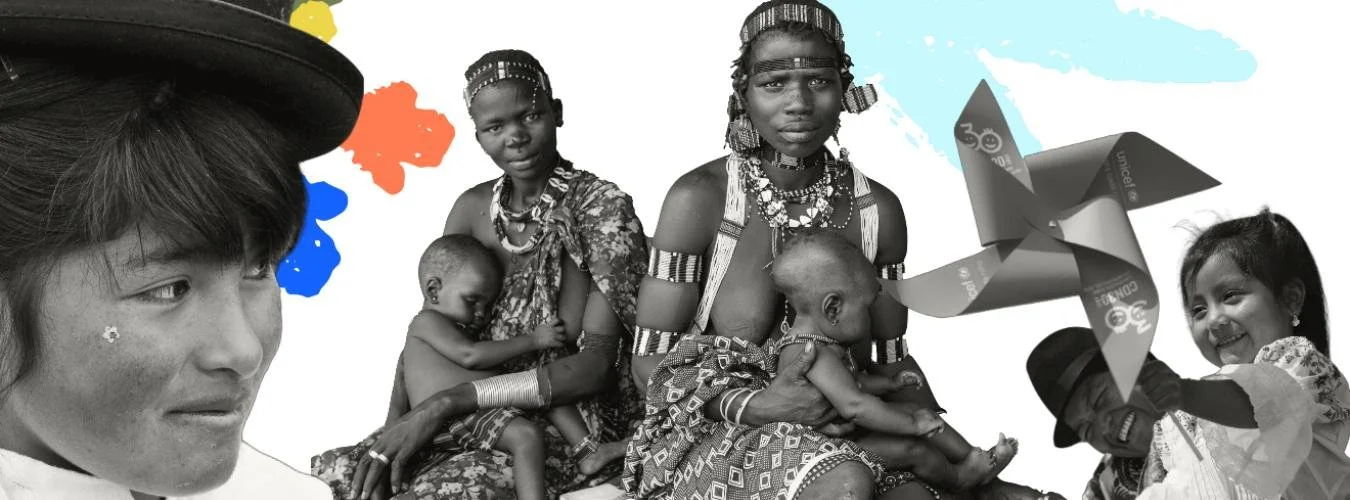
Honoring Indigenous Peoples Around the World
Honoring Indigenous Peoples Around the World
Written by: Keya Gambhir
Imagine living in the same place your ancestors called home hundreds or even thousands of years ago. You know the land, the plants, the animals, and the traditions passed down through your family for generations. Today, millions of people around the world continue to protect these cultures and ways of life. Every year on August 9, people celebrate International Day of the World's Indigenous Peoples to recognize their contributions and support their rights.
But who are Indigenous Peoples?
Indigenous Peoples are the original inhabitants of a region before others settled there. They have unique languages, traditions, beliefs, and cultures that have been passed down for generations. Today, there are about 476 million Indigenous people living across more than 90 countries. Together, they represent around 5,000 different cultures and speak many of the world's nearly 7,000 languages.
You can find Indigenous communities on every continent except Antarctica. Some examples include the Māori in New Zealand, the Sámi in northern Europe, the Inuit in the Arctic, the Yanomami in South America, and many Native American tribes across North America.
This special day was created by the United Nations (UN) to raise awareness about Indigenous Peoples and the challenges many communities still face. The date, August 9, was chosen because it marks the first meeting of a UN working group focused on Indigenous issues in 1982. The UN officially proclaimed the observance in 1994, and the first International Day was celebrated in 1995.
Although Indigenous Peoples make up less than 6% of the world's population, they represent at least 15% of people living in extreme poverty. Throughout history, many Indigenous communities have lost their lands, faced discrimination, or had their languages and traditions threatened. Today, people around the world continue working to protect their rights, cultures, and ways of life.
Indigenous communities also play an important role in caring for our planet. Their lands cover about 28% of Earth's surface and include around 11% of the world's forests. Many Indigenous communities have lived sustainably for generations by carefully protecting forests, rivers, wildlife, and natural resources. Scientists and environmental experts often work alongside Indigenous communities because their knowledge of nature has been developed over hundreds of years.
Each year, International Day of the World's Indigenous Peoples has a special theme. The 2026 theme is "Honouring Indigenous Midwives: Safarding Life and Well-being." Indigenous midwives are trained caregivers who help mothers during pregnancy and childbirth while also sharing traditional knowledge passed down through generations. In many rural and remote communities, they provide both medical and cultural support, helping families feel safe and respected during an important moment in life.
The United Nations hopes this year's theme will encourage more people to recognize Indigenous midwives as important healthcare providers and knowledge keepers. Their work combines tradition, experience, and community care while helping preserve Indigenous cultures for future generations.
There are many ways kids can celebrate this day, too. You can learn about the Indigenous Peoples who have lived in your local area, read books written by Indigenous authors, visit museums or cultural centers, or explore Indigenous art, music, and storytelling. Listening and learning are important ways to show respect.
International Day of the World's Indigenous Peoples reminds us that every culture has something valuable to share. By celebrating different traditions, protecting languages, and respecting Indigenous rights, we help create a world where everyone feels seen, heard, and valued.
References
National Geographic Society. 2026. “International Day for the World’s Indigenous Peoples.” National Geographic Education. Accessed August 5, 2026. https://education.nationalgeographic.org/resource/international-day-worlds-indigenous-peoples/.
United Nations. 2026. “International Day of the World’s Indigenous Peoples.” Accessed August 5, 2026. https://www.un.org/en/observances/indigenous-day.
United Nations. Department of Global Communications. 2025. “The First International Day of the World’s Indigenous Peoples at UN Headquarters.” UN Web TV. August 7, 2025. Accessed August 5, 2026. https://webtv.un.org/en/asset/k18/k18x3ftb29.
United Nations Educational, Scientific and Cultural Organization (UNESCO). 2026. “International Day of the World’s Indigenous Peoples.” Accessed August 5, 2026. https://www.unesco.org/en/days/worlds-indigenous-peoples.