
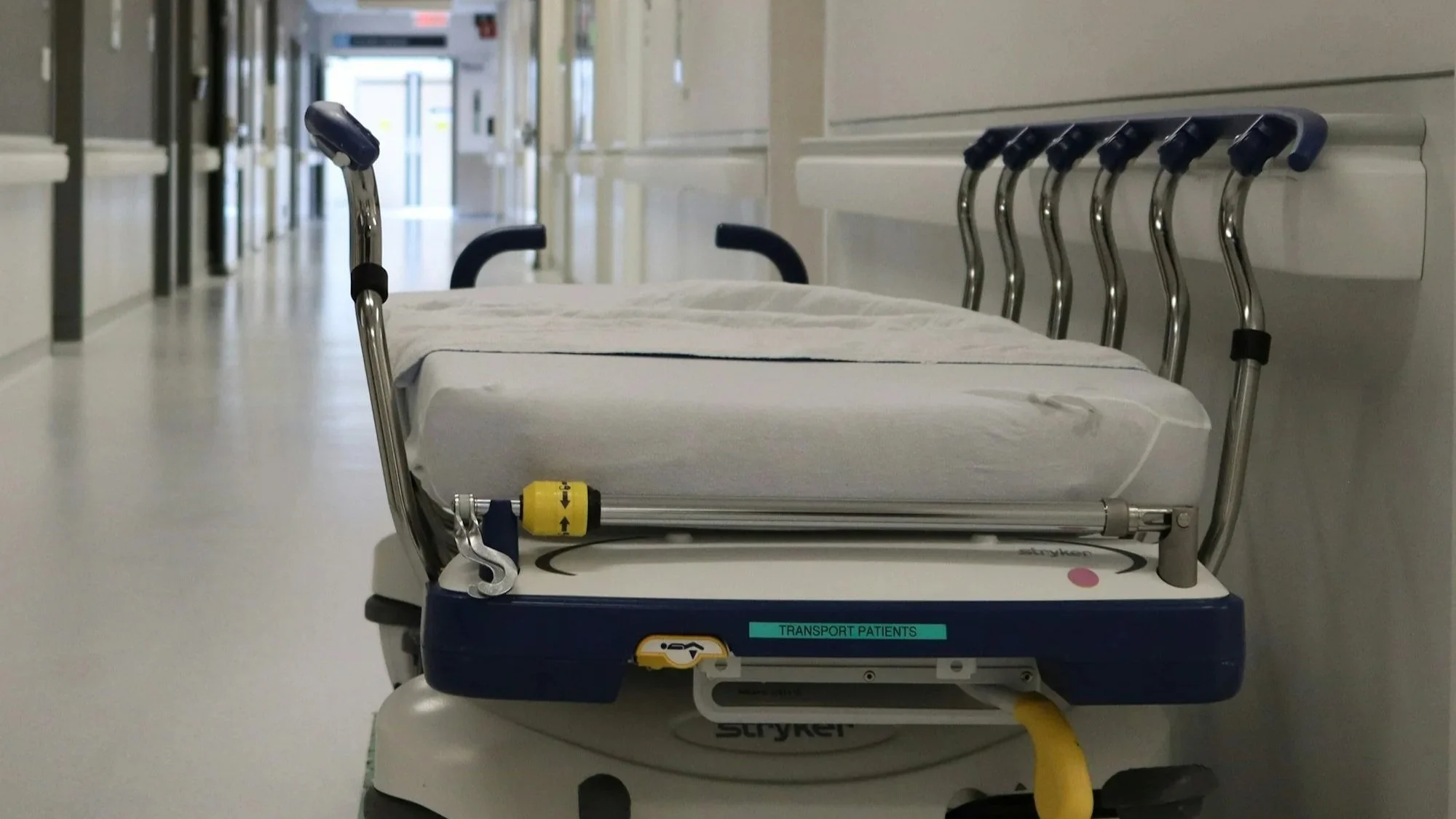
August 20th: International Day of Medical Transporters
!
August 20th: International Day of Medical Transporters
Written by: Sitara Nair
Introduction
On August 20th, 2026, people across the country and around the world will recognize the International Day of Medical Transporters, a day dedicated to the workers who help safely move patients from one place to another. Although medical transport may not always receive the same attention as doctors, nurses, or surgeons, it is an important part of the healthcare system. Medical transporters help patients get to emergency rooms, hospital departments, testing areas, treatment centers, and even their homes after discharge. Without these workers, many patients would have a much harder time receiving the medical care they need. The day is an opportunity to recognize their hard work, patience, and dedication.
What They Do & Their History
Medical transportation has been an important part of healthcare for many years because patients often cannot safely move around on their own. Today, the term “medical transporter” can describe several different jobs. Hospital patient transporters usually move patients inside medical facilities using wheelchairs, stretchers, beds, or other equipment. They may take patients from their rooms to radiology, surgery, laboratories, rehabilitation, or other departments. Some also help patients reach the hospital entrance when they are being discharged.
Medical transport can also involve emergency medical technicians, or EMTs, and paramedics. Unlike hospital patient transporters, EMTs and paramedics provide medical care while transporting patients, especially during emergencies. According to EMS.gov, EMTs respond to medical calls, assess patients, provide basic medical care, and help transport people to and from healthcare facilities. The job of a medical transporter involves a lot more than just pushing a wheelchair down a hallway like some might presume. Patient transporters must make sure that patients are moved safely and comfortably. They may help transfer someone from a bed to a wheelchair or stretcher, assist with positioning, and transport patients who require oxygen tanks, IV pumps, or other medical equipment. They also have to make sure the correct patient is being transported to the correct location.
Medical transporters are also responsible for keeping their equipment clean and safe. Wheelchairs, stretchers, and other equipment must be disinfected and checked regularly. Some transporters deliver medical supplies, specimens, blood products, records, or equipment throughout the hospital. Their work can require communication with nurses, doctors, technicians, patients, and visitors.
For EMTs and paramedics, responsibilities can become even more serious during emergencies. They may respond to car crashes, medical emergencies, or other dangerous situations, assess injuries and illnesses, provide emergency treatment, monitor patients, and transport them to a hospital. During an ambulance trip, one crew member may drive while another continues monitoring and treating the patient.
Importance of Medical Transporters
Medical transporters play an important role because healthcare depends on patients being able to reach the right place at the right time. A patient may need an X-ray, surgery, laboratory test, emergency treatment, or another procedure, but those services cannot be provided if the patient cannot safely get there. Transporters help connect patients with these services.
Their job can also require patience and compassion. Many patients being transported are sick, injured, elderly, disabled, frightened, or in pain. A transporter may be one of the first people a patient interacts with outside their hospital room. Treating patients with kindness and respect can make an uncomfortable experience a little easier.
August 20th is a chance to recognize the medical transporters who help keep healthcare moving! From hospital patient transporters pushing stretchers through crowded hallways to EMTs and paramedics responding to emergencies, these workers have responsibilities that can make a major difference in a patient's care. Thank a medical transporter for all their help next time you see one!
References
National Day Calendar. “Day of Medical Transporters.” National Day Calendar. Accessed August 22, 2026. https://nationaldaycalendar.com/celebrations/international-day-of-medical-transporters-august-20
Days of the Year. “International Day of Medical Transporters.” Days Of The Year. Accessed August 22, 2026. https://www.daysoftheyear.com/days/international-day-of-medical-transporters/
Crothall Healthcare. “What Is a Patient Transporter?” Crothall Healthcare. Accessed August 22, 2026. https://www.crothall.com/blog/what-patient-transportation/
University of Texas Medical Branch. “A Day in the Life of a Patient Transporter.” UTMB Impact. February 23, 2018. https://www.utmb.edu/impact/home/2018/02/23/a-day-in-the-life-of-a-patient-transporter