
The Lyrid Meteor Shower Is Back This Week
The Lyrid Meteor Shower Is Back This Week
Written by: Keya Gambhir
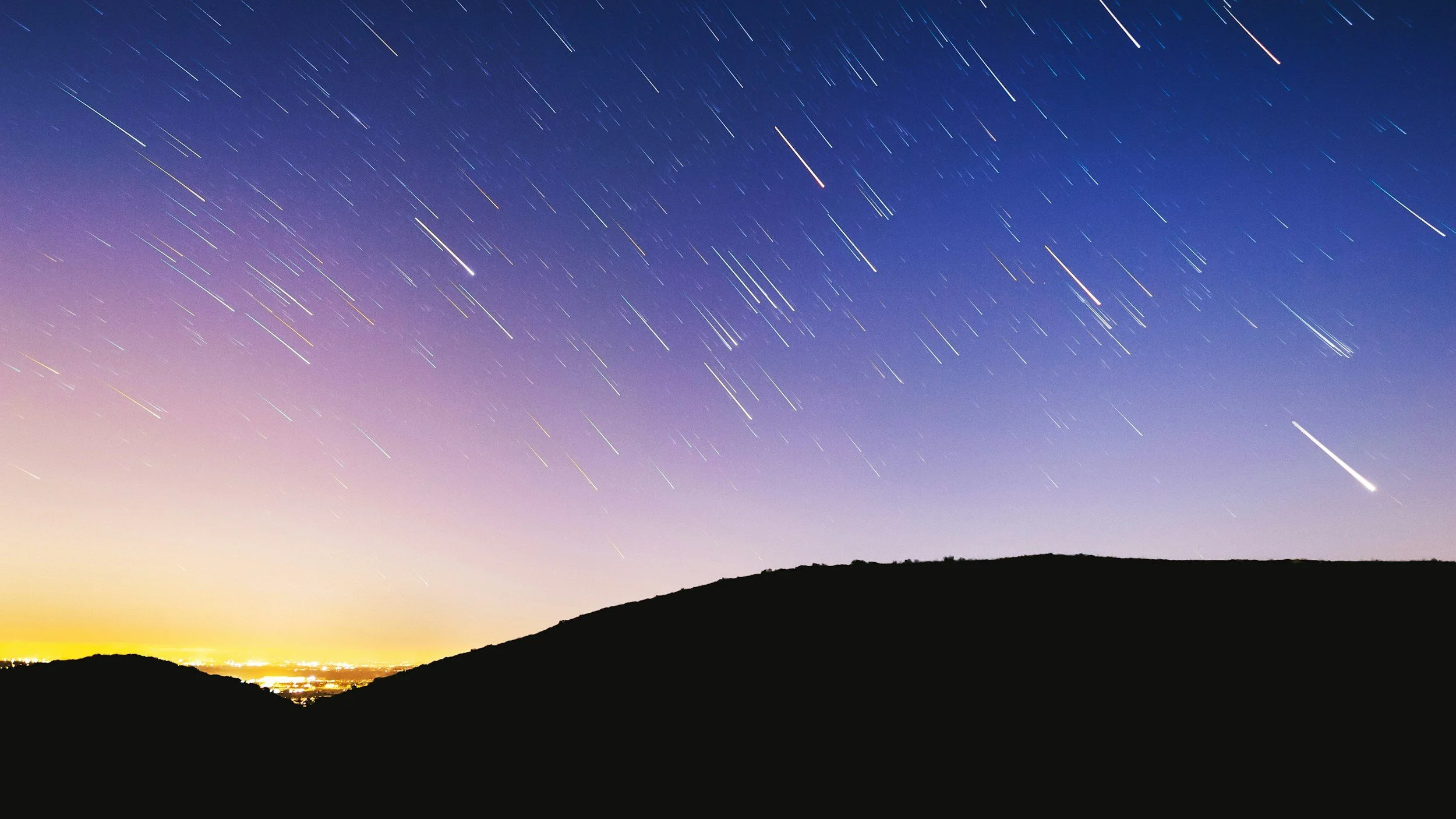
After months without major meteor activity, the night sky is finally getting exciting again. The Lyrid meteor shower is returning this April, giving skywatchers a chance to see bright “shooting stars” streak across the sky.
The Lyrids are one of the oldest recorded meteor showers, with observations dating back more than 2,600 years. This year, the shower is expected to peak around April 21 to 22, and viewing conditions are especially good.
Meteor showers happen when Earth travels through trails of dust and debris left behind by comets. In this case, the Lyrids come from Comet Thatcher, a comet that orbits the sun once every 415 years. As tiny particles from the comet enter Earth’s atmosphere, they burn up and create bright streaks of light, which we see as meteors.
The Lyrids usually produce about 10 to 20 meteors per hour at their peak. While that may not sound like a lot, these meteors are known for being fast and bright. Some even leave glowing trails behind them that can last for a few seconds.
The name “Lyrids” comes from the constellation Lyra, where the meteors appear to originate. A bright star called Vega can help you find this area in the sky. However, you don’t need to look directly at Lyra to see meteors; they can appear anywhere overhead.
The best time to watch the Lyrids is late at night or in the early morning hours before sunrise. Around this time, the constellation Lyra rises higher in the sky, making meteors easier to spot. This year, viewing conditions are even better because the moon will set early, leaving the sky darker and clearer.
To get the best view, it’s important to find a location away from city lights. Bright lights from buildings and streets can make it harder to see meteors. Open spaces like parks or backyards work well, especially if you have a wide view of the sky. It’s also helpful to lie down or use a reclining chair so you can look up comfortably.
Patience is key when watching a meteor shower. You might not see a meteor right away, but if you wait and let your eyes adjust to the dark for about 15 to 30 minutes, you’ll have a better chance of spotting one. Experts also recommend avoiding your phone, since bright screens can ruin your night vision.
Although the Lyrids are usually a moderate meteor shower, they have surprised observers in the past. There have been years when the number of meteors suddenly increased, creating much more dramatic displays.
Overall, the Lyrid meteor shower is a great reminder that space events are happening all around us. With a little planning and a clear sky, anyone can step outside and watch pieces of a comet light up Earth’s atmosphere.
References
Beall, Abigail. 2026. “How to Spot the Lyrid Meteor Shower Tonight.” New Scientist, April 16, 2026. https://www.newscientist.com/article/2523230-how-to-spot-the-lyrid-meteor-shower-tonight/
Perry, Caden. 2026. “How to See the Lyrids Meteor Shower in Wisconsin on Earth Day 2026.” Milwaukee Journal Sentinel, April 19, 2026. https://www.jsonline.com/story/news/local/2026/04/19/how-to-see-the-lyrids-meteor-shower-in-wisconsin-on-earth-day-2026/89691800007/
Ramakrishnan, Adithi. 2026. “How to Spot the Lyrid Meteor Shower That Is Peaking This Week.” PBS NewsHour, April 18, 2026. https://www.pbs.org/newshour/science/how-to-spot-the-lyrid-meteor-shower-that-is-peaking-this-week
Rao, Joe. 2026. “The Lyrid Meteor Shower Returns with Ideal Viewing Conditions! Here’s What to Look Out for This Week.” Space.com, April 2026. https://www.space.com/stargazing/meteor-showers/the-lyrid-meteor-shower-returns-with-ideal-viewing-conditions-heres-what-to-look-out-for-this-week