
The Calming Story of Matcha
The Calming Story of Matcha
Written by: Anna Pafenberg
In our current day, matcha is a trendy and desirable tea that is drunk by thousands all over the world. Many people are obsessed with their iced matcha lattes or their warm green teas, but matcha used to not be very obtainable globally. While matcha is associated with being from Japan, matcha originated in China during the Tang Dynasty occurring between the 7th and 10th centuries. In order to be transported, the tea leaves would be steamed and compressed into bricks. When consumed, they would be broken off of the block and steeped or crushed with hot water. During the Song Dynasty from 960-1279, leaves were ground finely and mixed with the steaming water, foaming up to be creamy and much like the matcha we see today! The tea was drunk by Buddhist monks, but after the Mongolian invasion lost popularity.
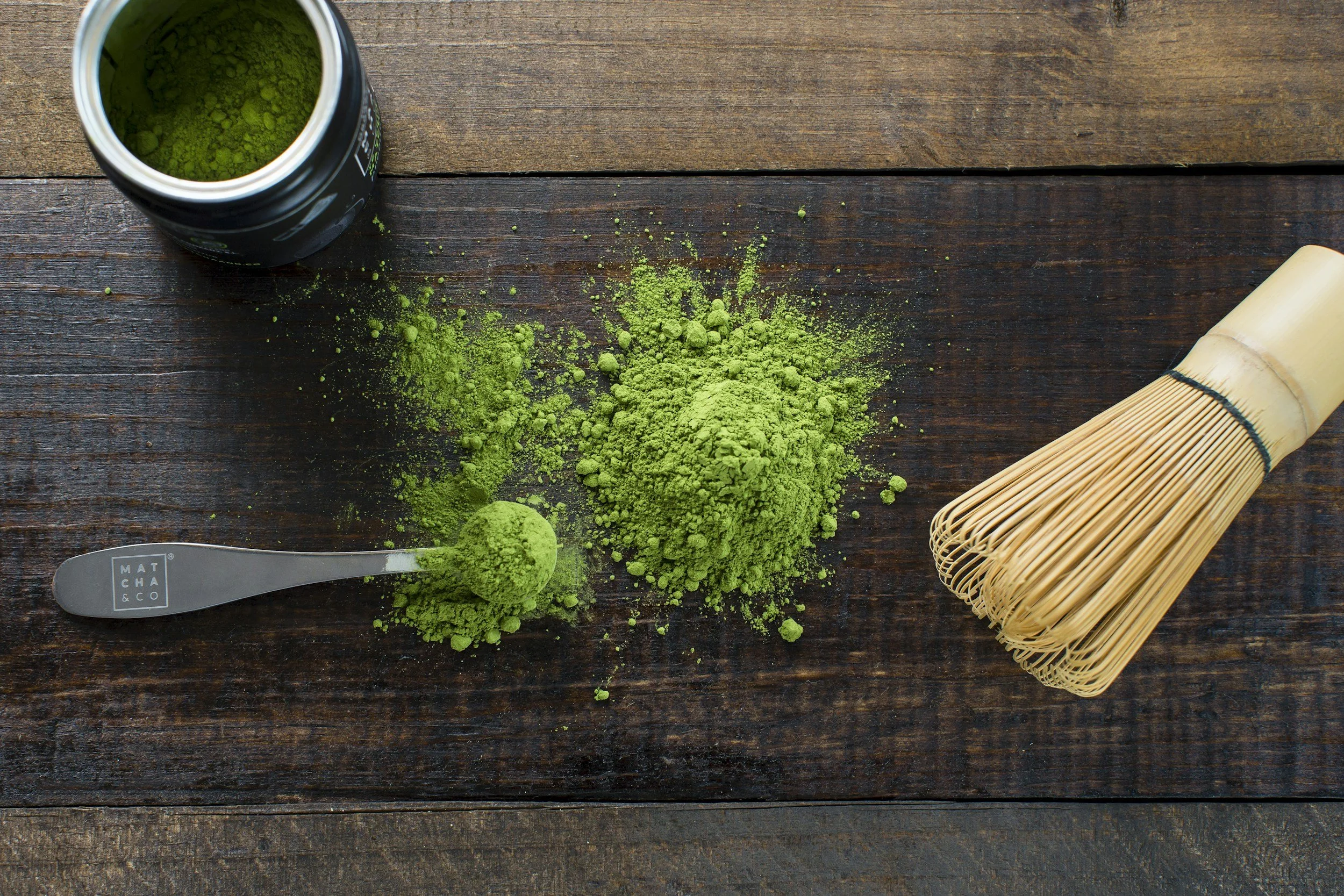
A Buddhist monk named Eisai was the one who brought the drink to Japan. He planted the tea leaf seeds on Mount Sefuri. Then he sent it to another monk who was his friend, who then planted them in another region of Japan. His variation of the tea is incredibly similar to the way that we drink it. It is finely ground, whisked with a bamboo whisked, and then eventually becomes the foamy delicacy that many of us enjoy in 2026. Buddhist monks like Eisai valued focus and calm in order to achieve meditation. Eisai believed that the matcha helped him calm down and focus in order to reach a meditative state. He wrote a book called Kissa Yojoki, which means “Drinking Tea for Health”. He detailed that matcha had focusing traits that in the long run would help individuals. The samurai class even started drinking matcha in order to gain composure during battle.
The Japanese tea ceremony, or chanoyu, valued appreciating and savoring tea. Matcha gained popularity in these ceremonies in the 15th and 16th centuries. Tea drinking became an art form. In early match consumption in Japan, it was hard to come by and only for the elite of society. Farmers soon discovered that instead of growing the tea plants in direct sunlight, a shaded covering helped the leaves grow sweeter and have a better flavor. It wasn’t until the 20th and 21st centuries where matcha became a common drink to consume for everyone. However, now in the 2020s, matcha is popular due to its skincare and wellness benefits, as well as it being a yummy and relaxing drink.
References
Weil, Diana. “The History of Matcha.” Matcha.com, February 4, 2025. https://matcha.com/blogs/news/the-history-of-matcha
Matchaful. “The History of Matcha.” Matchaful, accessed February 24, 2026. https://www.matchaful.com/pages/the-history-of-matcha?srsltid=AfmBOopcBU8tVynlqKRn2absC6oIEVVulK6NHbrSTcVwOq4kY5Vucy1x
Matcha Direct. “The History and Cultural Significance of Matcha.” Matcha Direct. Accessed February 24, 2026. https://matchadirect.kyoto/blogs/matcha-101/japanese-matcha-tea-history?srsltid=AfmBOopIsZpmSFMJfja8UZSqr4PxaxxNMnBbKe6zUsVsDwCAsi2OMLbq