
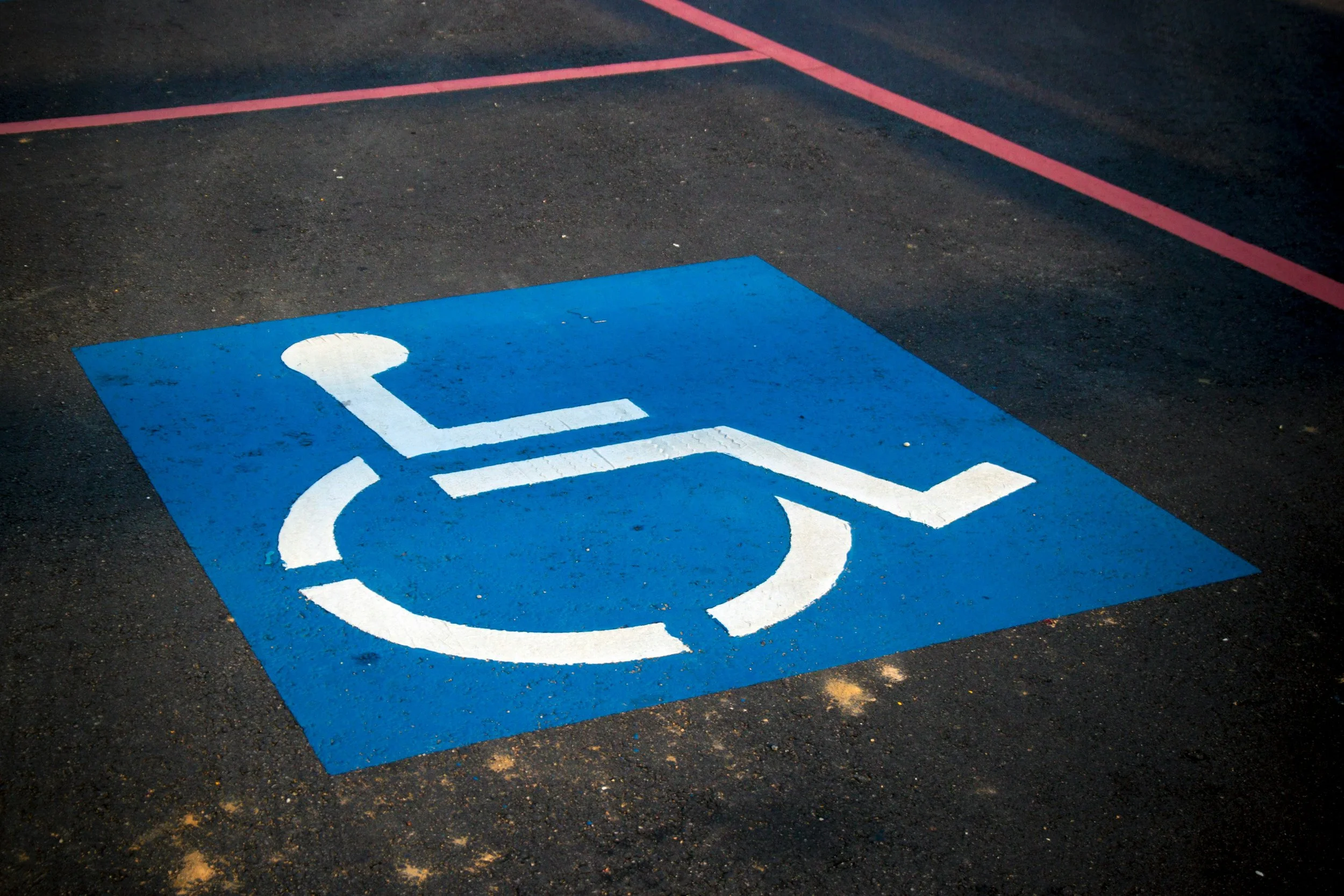
October: National Disability Employment Awareness Month
October is National Disability Employment Awareness Month for the United States of America. It is mostly focused on companies that employ people with disabilities. It is still important to learn about many different types of disabilities and why we shouldn't bully people who have them. They're still people who deserve respect, just as much as everyone else.
Note: The signs mentioned in this article may be associated with a disability, but they do not necessarily mean that someone has a disability.
What does it mean to have a disability?
There are many different ways to classify somebody with a disability, and they get really complicated and confusing when you factor how they impact a person. The Americans with Disabilities Act only states 3 different categories that a disability fits into: Physical or Mental Impairments, Specific Impairments, and Perceived to have a Disability.
Physical or Mental Impairment: This category covers types of disabilities that limit a person's actions. These actions limit basic life activities. People with this type of impairment may use some of the following items: wheelchairs, walkers, canes, crutches, fake limbs, or hearing aids just to name a few.. There are devices and apps that can help people with memory, typing and navigating the vast online world. Some things that are built into the world are ramps, grab bars, elevators, and the bumps on sidewalks to let people know that they're getting close to the curb.
Specific Impairments: Some examples of specific impairments include: past and present forms of cancer, heart disease, mental health conditions that are coming to an end, epilepsy, multiple sclerosis flare-ups, or severe traumatic brain injury.
Perceived to have a disability: Perceived to have a disability means a person may not have an actual disability, but people think they do based on some common misconceptions or not understanding. The kind of disabilities that are in this realm include scars, growth abnormalities, as well as other disfigurements on the body.
What are countries & companies doing to help people with disabilities get jobs?
Some countries are making it mandatory to have a specific portion of a company or business that hires a person with some sort of disability. Those countries include: Argentina, Austria, Brazil, Chile, Czech Republic, France, Germany, Luxembourg, Romania, Slovakia, Spain, Turkey, and Ukraine. That's a lot of countries making a difference for people who are disabled.
While it is not officially mandated in the US to hire someone with a disability, some companies are making a difference for these individuals. Some of the companies making a difference in the US include: PepsiCo, CVS Health, AT&T, Lowes, Comcast, Liberty Mutual Insurance, and so many more!
It is awesome to see that companies are taking initiative for a big part of the population who is disabled. Especially considering that one in four adults in the US have some type of disability, which is around 45.8 million people.
Don't just assume, ask!:
Most disabled people don’t like when others assume things about them. It never hurts to spark up a conversation with someone and learn who they truly are both inside and out. Below there is a list of a few common misconceptions and answers to common questions.
Common Questions & Answers:
Can people who are disabled make their own decisions?:
Most people can make decisions for themselves, and that includes disabled people. Some disabilities may need people to help them get back on track with their thoughts and decisions, but they can make their own for themselves. Sometimes they just need enough time. Those who cannot make decisions for themselves are usually accompanied by a full time caregiver.
Can you tell if somebody has a disability just by looking at them?:
Some disabilities are obvious, especially if a person is using some sort of medical device, but you should still always ask before just assuming.
Should I speak to somebody like a child or baby if they have a disability?:
Most people who are older generally don't want to be spoken to as if they were a kid. The same goes with disabled people.
Do people with disabilities always need our help?
This is true of some people and some situations. If you see someone in need of help, whether they are disabled or not, it’s always a good idea to ask first before just helping.
What should I do if somebody is bullying somebody who is disabled?
One of the best things you can do for somebody who is disabled and is being bullied/teased is to make sure they're okay! Stand up to the bully and say what they're doing is not okay. Go and find a trusted adult to help stop the bullying. If it keeps happening, keep trying your best to keep the bully away from this person until help arrives.
People with disabilities and without have created some Awesome Adventures & Inventions for people:
Lots of inventions that people take advantage of and use now were created by some incredible people who are disabled. Texting was created by an Orthodontist named James Marsters who lost his hearing during birth. He created a device that turned written messages into sound that could be relayed through the telephone. The bendable plastic and paper straws were created by Joseph Friedman to help but not fully able bodies. The American Federation for the blind created the first ever audiobooks; instead of being on a phone they were on vinyl records for people who were blind.
Steven J. Wampler Foundation has created many life-changing experiences for kids in the outdoors and who are disabled. Steve himself is in a wheelchair, and created this camp for people like him to experience the outdoors. AbilityFirst is another camp that is sports focused providing a wonderful opportunity for physically disabled youth to get involved in sports otherwise not accessible to them.
It’s important to always remember that disabilities are a spectrum. Not every single person will feel and act the same way. Disabled people have their own experiences and views on the world just like every other human on the planet. Every disability falls on the spectrum, from subtle differences that require no accommodation to limitations that require full support. It’s really important to remember to always be kind, no matter what, because nobody knows what other people’s lives are like, even if it looks like they share the same challenges. Every disabled person has a unique experience and deserves to be treated with respect.
October: National Disability Employment Awareness Month
Written by: Koen Gilliam
References
AbilityFirst. “AbilityFirst.” Accessed October 25, 2026. https://www.abilityfirst.org/.
Ability Ministry. “30 Wrong Assumptions About Disability.” Accessed October 25, 2026. https://abilityministry.com/30-wrong-assumptions-about-disability/.
Anti-Bullying Pro. “What to Do If You Are Experiencing Disablist Bullying Behaviour.” Accessed October 25, 2026. https://www.antibullyingpro.com/support-and-advice-articles/what-to-do-if-you-are-experiencing-disablist-bullying-behaviour.
Built In. “Companies That Hire People with Disabilities.” Accessed October 25, 2026. https://builtin.com/diversity-inclusion/companies-that-hire-people-with-disabilities.
Centers for Disease Control and Prevention. “Disability Impacts All of Us.” Accessed October 25, 2026. https://www.cdc.gov/disability-and-health/articles-documents/disability-impacts-all-of-us-infographic.html.
Illinois Department of Human Services. “How Should I Interact with Somebody with a Disability?” Accessed October 25, 2026. https://www.dhs.state.il.us/page.aspx?item=32276.
National Institute of Child Health and Human Development. “What Are Some Types of Assistive Devices and How Are They Used?” Accessed October 25, 2026. https://www.nichd.nih.gov/health/topics/rehabtech/conditioninfo/device.
ShareAmerica. “Thank People with Disabilities for These Inventions.” Accessed October 25, 2026. https://share.america.gov/thank-people-with-disabilities-for-these-inventions/.
Stephen J. Wampler Foundation. “Stephen J. Wampler Foundation.” Accessed October 25, 2026. https://stephenjwamplerfoundation.org/.
University of Maryland, Baltimore County. “The Spectrum.” Accessed October 25, 2026. https://accessibility.umbc.edu/spectrum/.
U.S. Department of Justice. “Introduction to the Americans with Disabilities Act.” ADA.gov. Accessed October 25, 2026. https://www.ada.gov/topics/intro-to-ada/.
U.S. Department of Labor. “National Disability Employment Awareness Month (NDEAM).” Accessed October 25, 2026. https://www.dol.gov/agencies/odep/initiatives/ndeam.