
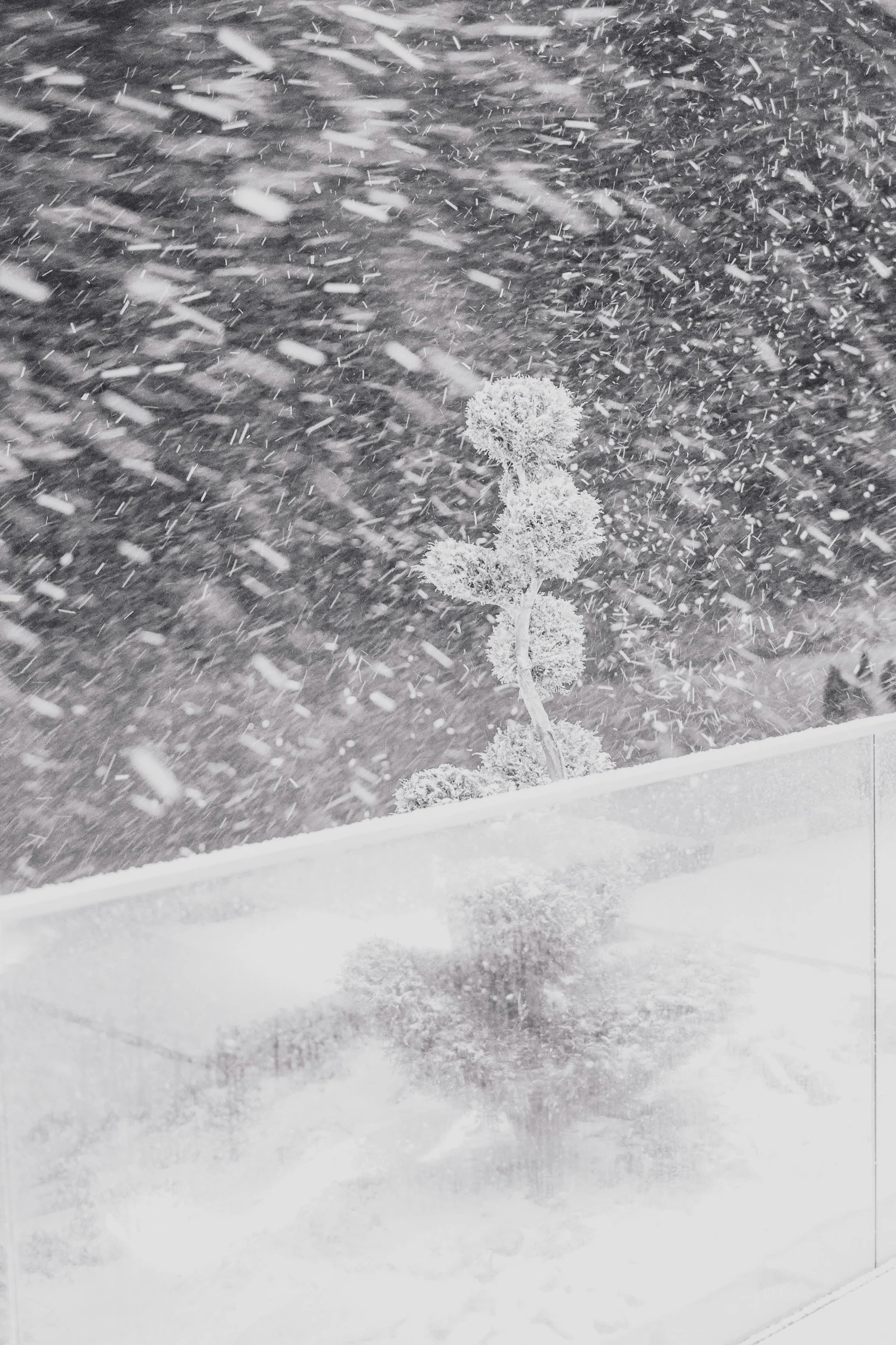
NYC Declares a State of Emergency as Blizzard Forces Travel Ban
NYC Declares a State of Emergency as Blizzard Forces Travel Ban
Written by: Keya Gambhir
New York City is preparing for a major winter storm, and city leaders are taking serious steps to keep people safe. On February 22, 2026, Mayor Zohran Kwame Mamdani signed Emergency Executive Order No. 3, officially declaring a local State of Emergency because of a severe snowstorm expected to make travel dangerous and disrupt daily life.
City officials say the storm could interrupt the flow of traffic, restrict emergency vehicles, and slow down the delivery of essential goods and services like food, fuel, and medical supplies. In other words, the storm is not only about snow, it is about how snow and wind can affect everything a city needs to function. The Mayor said the city must limit traffic to protect life and property and to allow snow removal crews to do their jobs quickly.
Because of this emergency order, New York City is putting a travel ban in place. From 9 p.m. on Sunday, February 22, 2026 until 12 p.m. on Monday, February 23, 2026, the city’s streets, highways, bridges, and tunnels are closed to most vehicles. The order says this includes many types of transportation people use every day, including commercial trucks, electric bicycles, scooters, and mopeds. That shows how serious the city is about keeping roads clear and preventing accidents during whiteout conditions.
However, the city also understands that some travel must continue even during a storm. The order lists many exceptions, meaning certain vehicles are allowed on the roads. These include public transportation vehicles like MTA buses and Access a Ride, as well as vehicles used by government agencies and emergency responders. Vehicles helping people in need are also allowed, including organizations that provide fire services, medical care, ambulances, rescue efforts, housing help, and food support. This includes nonprofits that work to prevent injury, loss of life, or damage to property during emergencies.
The city is also allowing vehicles that deliver important supplies, such as food, medical supplies, and fuel. Utility companies can keep vehicles on the roads for emergency repairs, like fixing power lines if snow or wind knocks them down. People can also travel if it is necessary for work in essential places. The order specifically names workplaces like government offices, medical facilities, pharmacies, grocery stores, convenience stores, gas stations, laundromats, news media, restaurants and other food businesses, hotels, and hardware stores. Travel to hospitals for medical care is allowed too, along with travel to court facilities for legal proceedings. The city can also approve other vehicles if needed. If someone is unsure whether they are allowed to travel, the order tells them to contact 311 for guidance.
The order also explains what city departments must do next. Leaders from Emergency Management, Fire, Police, Sanitation, Social Services, and Transportation are directed to take all necessary steps to protect the public and provide help during the storm. This includes keeping the city safe, supporting residents, and making sure emergency services can respond.
Daily schedules are changing too. City offices will be closed to the public for in person services on Monday, February 23. Essential city workers must still report to work, while many non essential employees may be allowed to work from home if possible.
Schools are affected as well. New York City Public Schools buildings will be closed on Monday, February 23, including charter and private schools that share space in those buildings. Some school buildings may stay open only if they are being used as warming centers, which are safe places where people can go to stay warm during extreme weather.
The city is also watching for price gouging. That is when businesses unfairly raise prices during emergencies. The Department of Consumer and Worker Protection is instructed to monitor the market for illegal price increases while the emergency is in effect.
Finally, alternate side parking rules are suspended for Monday so snow removal can happen more easily. The order warns that violating the travel ban can lead to serious consequences, including being charged with a class B misdemeanor. The emergency order takes effect immediately and can last up to five days unless it is ended earlier or extended.
Overall, the message from city leaders is clear. This storm could be dangerous, and the goal is to keep people safe, keep emergency services moving, and help crews clear the snow as quickly as possible.
References
ABC7NY. 2026. “How Snow Winter Blizzard 22226 Snowfall Totals NYC, NY, NJ, CT.” ABC7NY, February 2026. https://www.abc7ny.com/post/how-snow-winter-blizzard-22226-snowfall-totals-nyc-ny-nj-ct/18636536/.
NBC New York. 2026. “Live Updates: Snow Totals, Blizzard NYC, NJ, Timing, Storm Radar.” NBC New York, February 22, 2026. https://www.nbcnewyork.com/weather/live-updates-snow-totals-blizzard-nyc-nj-timing-storm-radar/6466668/.
New York City Mayor’s Office. 2026. “Emergency Executive Order No. 3.” City of New York, February 22, 2026. https://www.nyc.gov/mayors-office/news/2026/02/emergency-executive-order-no--3.
Saad, Nardine. “Powerful Winter Storm Slams US Northeast as NYC Issues Travel Ban.” BBC, February 2026. https://www.bbc.com/news/articles/c75ere6z4weo.