
Paraguay’s President Falls After Bank Collapse
Paraguay’s President Falls After Bank Collapse
Written by: Keya Gambhir
Nearly three million people in Paraguay recently woke up to find that they could no longer access their bank accounts. Their money was still supposed to be there, but they couldn’t withdraw cash, pay for groceries, or even check their balances. What began as the collapse of one popular bank quickly turned into a national crisis, leading to protests, financial uncertainty, and the removal of Paraguay’s president.
How Did the Crisis Begin?
The trouble started with Ueno Bank, a popular digital bank in Paraguay. Over the past few years, Ueno grew rapidly, attracting millions of customers through its easy-to-use mobile app, attractive savings offers, and rewards programs. For example, some customers received up to 40% cash back when shopping at supermarkets.
By late October 2026, the bank reported having around 2.9 million customers. It had also become closely connected to the government, holding an estimated $800 million or more in public money, including funds from a government pension program.
However, behind its rapid growth, Ueno was facing serious financial problems. Reports revealed that the bank had lent approximately $150 million to smaller businesses connected to its own managers and employees. These loans raised concerns about whether the bank was following financial regulations and managing its money responsibly.
Investors also began losing confidence in the bank and selling their investments. Despite Ueno claiming that it had raised additional money to stay financially stable, the situation continued to worsen.
On November 2, Paraguay’s Central Bank stepped in and took control of Ueno after determining that it no longer had enough money to meet its financial responsibilities. This process, known as a bank resolution, is when regulators intervene in a struggling bank to protect the financial system and manage its failure.
Millions Lose Access to Their Money
The bank’s collapse immediately affected millions of ordinary Paraguayans. Customers suddenly could not withdraw cash, use their bank cards, make digital payments, or even view their account balances.
For families who depended on their bank accounts for everyday expenses, the situation became extremely difficult. Some people struggled to afford groceries, pay bills, and cover basic needs.
The crisis also affected businesses across the country. Since so many customers could no longer access their money, spending dropped dramatically. Some businesses reported sales falling by as much as 80%.
Even pensioners were affected. Around 32,000 people who depended on public pension payments faced interruptions because some pension funds had been invested in Ueno.
The government has promised to return customers’ money, with a deposit guarantee covering up to approximately $38,000 per account holder. However, receiving that money has not been immediate, leaving many people uncertain about when they will be able to access their savings again.
Why Did the President Lose His Job?
The bank’s collapse quickly became a political scandal because of its connections to President Santiago Peña.
Peña, who became president in 2023, had previously owned shares in a company connected to Ueno’s parent company. He also appointed Carlos Carvallo, Ueno’s former chief executive, to lead Paraguay’s Central Bank. Carvallo later approved Ueno’s transition into a formal bank.
These connections raised concerns about whether Peña had allowed Ueno to receive special treatment from the government. Lawmakers accused him of conflicts of interest, improperly influencing financial regulations, and failing to prevent the crisis.
On November 5, Peña announced that he would resign, apologizing to the public for failing to protect their trust. However, lawmakers refused to simply accept his resignation. Instead, on November 6, the Senate voted 44 to 0 to impeach and remove him from office.
Peña was subsequently arrested and charged over his alleged role in the scandal. Prosecutors have accused him of breach of trust and using his position for personal gain. He denies the allegations, and his lawyers argue that there is no evidence he personally directed the investment of pension funds into Ueno.
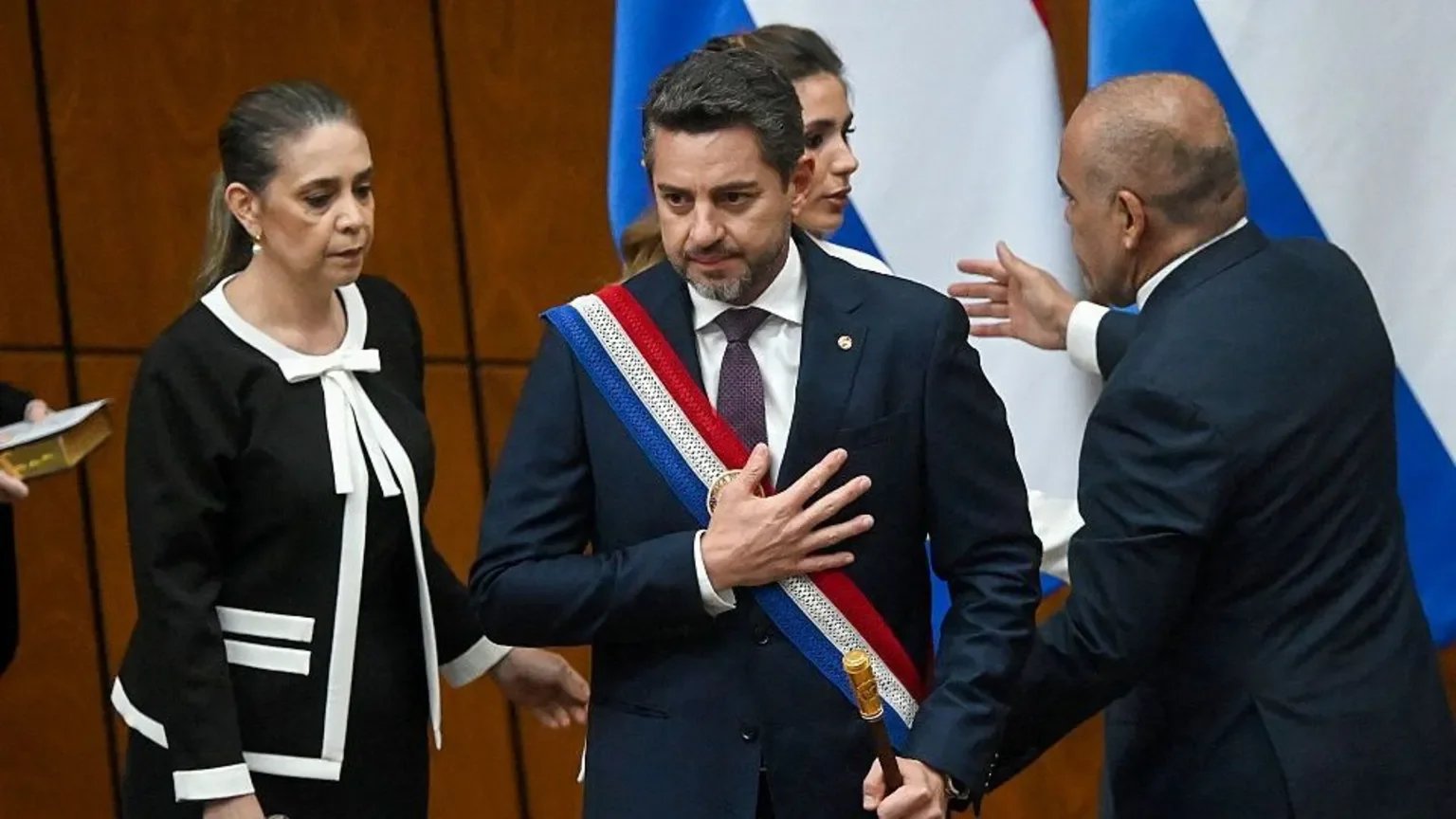
Vice President Pedro Alliana has since taken over as interim president and promised that affected customers will be compensated.
What Happens Next?
Paraguay is now facing two major challenges: restoring public trust in its financial system and helping millions of people recover access to their savings.
The situation also highlights why banks must be carefully monitored. Banks are responsible for protecting people’s money, so they must follow regulations and make responsible financial decisions. Government officials also have a responsibility to ensure that financial institutions are treated fairly and that public money is protected.
For now, Paraguayans are waiting to see when they will receive their money and how their new president will handle the crisis.
Although Ueno’s collapse began as a banking problem, it has grown into a national issue affecting families, businesses, government leaders, and the country’s reputation. It serves as an important reminder that when a major financial institution fails, the consequences can reach far beyond the bank itself.
References
Rogero, Tiago. “‘Very Strange, Very Sad’: Paraguay Bank Collapse Fells a Presidency and Leaves Millions Broke.” The Guardian, November 7, 2026. https://www.theguardian.com/world/2026/nov/07/paraguay-ueno-bank-collapse-santiago-pena.
Bourne, Victoria, and Will Grant. “Paraguay’s Former President Charged After Bank Collapse.” BBC News, November 7, 2026. https://www.bbc.com/news/articles/c68jzzvjgdy9o.
Blair, Laurence. “Paraguay’s Leader Resigns After Bank Failure Leaves Millions Without Savings.” The New York Times, November 5, 2026. https://www.nytimes.com/2026/11/05/world/americas/paraguay-santiago-pena-resigns.html.