
The History of Pasta
The History of Pasta
Written by: Anna Pafenberg
In various cultures, pasta is a rich and filling food that is a staple in hundreds of meals. Many people have fond memories of eating it, having conversations over a beautiful dinner, or even making it! The basic ingredients of most pastas include flour, water, and eggs. These cheap ingredients make it accessible and hearty for populations that may not be able to afford lavish meals. Once it is boiled to be cooked, the pasta can be slathered in sauces, meats, and vegetables. Simple sauces and fast cooking time make the meal even more attainable.
The first recorded instances of pasta consumption date back to Asia and the Middle East. Even though it was first identified in China with rice flour, many people associate pasta with Italy. Other cultures like Greece and Africa have versions of a boiled dough much like pasta. The word ‘pasta’ was first used commonly in English in 1874. It came from a Greek word meaning barley porridge. In Italy, the first recorded findings of pasta date back to the fourth-century BC. Archaeologists found tools that would have been used to shape and roll pasta in an Etruscan Tomb. Marco Polo has claimed that he was the one that found and brought pasta from China to Italy. This was not the first time that Italians had eaten pasta. Marco Polo did bring new shapes back to Italy though. During the Renaissance and 14th century, pasta was commonly eaten in Rome and Florence Italy. The Renaissance, filled with innovation and ideas, allowed for new shapes of pasta to be developed.
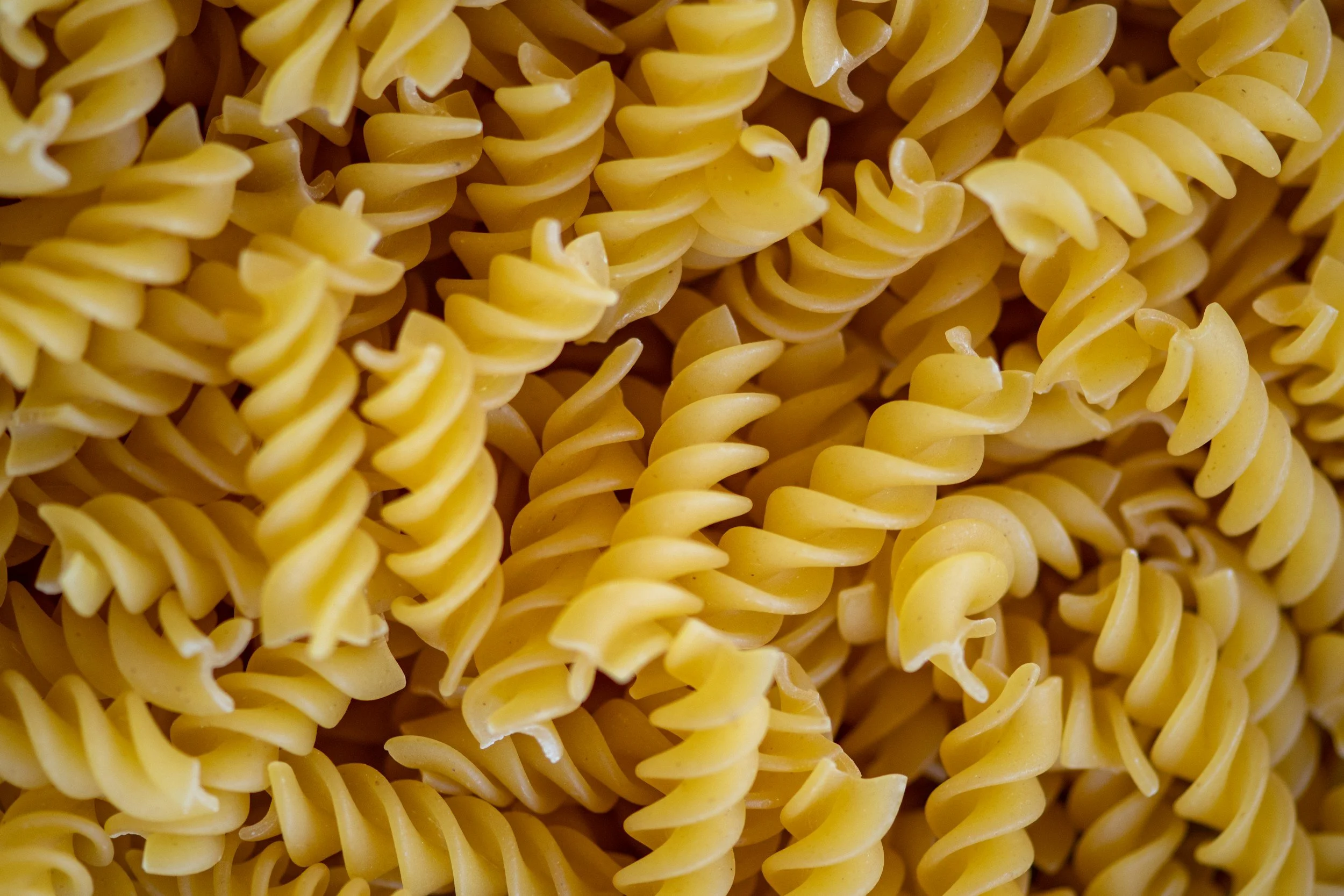
Fresh pasta is kneaded and cut into shapes and then boiled. Dried ones, much like the ones bought at the grocery store, tend to be made in factories and then left to dry very slowly. If it is fresh, pasta makers will coat it with flour so the strands or shapes do not stick together. Pasta can become even more flavorful when filled with meats, cheeses, or vegetables in pasta shapes like tortellini and ravioli. In other cases, they are mixed right in with the dough!
Overall, pasta has become a staple in not just Italian cuisine, but all over the world. In North America, Italian-Americans create a diverse range of pasta dishes as well as in Africa where cous-cous is popular. Whether it is with rice, somalina, or just wheat flour, pasta offers a delicious and buildable meal for all who enjoy it.
References
DeLallo. “The History of Pasta: A Look at Its Origins and Evolution.” DeLallo Blog. Accessed March 3, 2026. https://www.delallo.com/blog/history-of-pasta-wheat-water-patience/?srsltid=AfmBOopiqOMl8OWw5GFTHqNEL4ul3rrOx3ppJjwkFvLs4zpquVWQnf7C
“Pasta Facts for Kids.” 2025. Kiddle Encyclopedia. Last modified October 17, 2025. https://kids.kiddle.co/Pasta.
“InRome Cooking.” The Intriguing Journey of Pasta: From Italian Origins to Global Delight. Accessed March 3, 2026. https://www.inromecooking.com/blog/the-intriguing-journey-of-pasta-from-italian-origins-to-global-delight/