
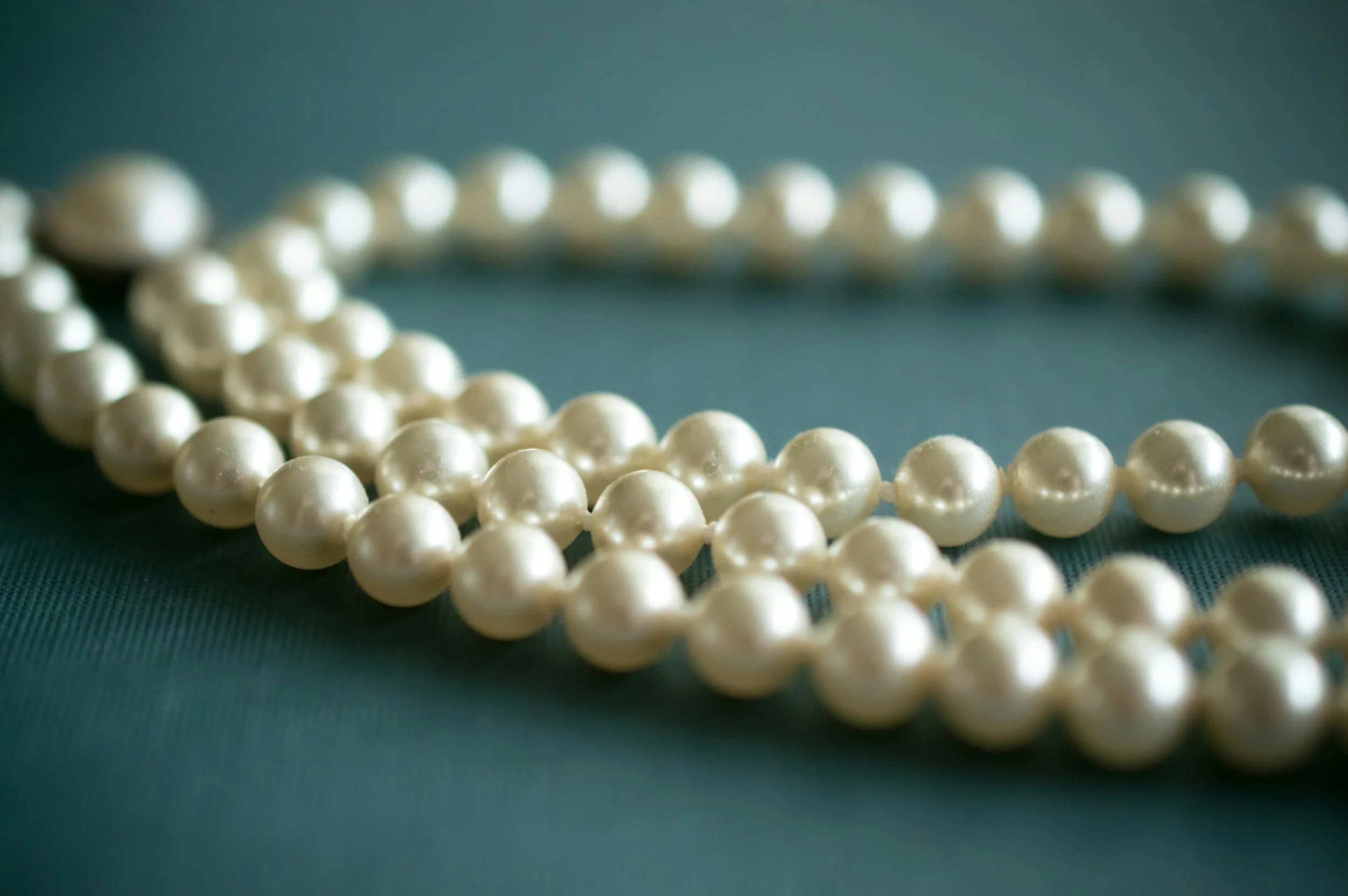
The Magnificent Pearl
The Magnificent Pearl
Written by: Anna Pafenberg
Whether you have seen them on mermaids, jewelry, or in the plain ocean, pearls are everywhere. Pearls are the only valuable gemstone that is from a living creature, the oyster. However, pearls themselves are not living. The first mention of pearls in writing appears in China in 2206 BC. The pearls were worn by the wealthy and that of royalty. The first people to find the pearl were a small tribe in India while they were looking for food in the oysters. In Persia, Egypt, and India, people have been incorporating pearls into their myths and lives for centuries. Funnily enough, Cleopatra bragged to Marc Antony that Egypt was wealthier than Rome by showing off her abundance of pearls at a dinner.
More recently, Christopher Columbus found the Native Americans in North America wearing pearls commonly. Because of this, in 1492 Columbus brought them to Europe and they were in high demand. However, they were soon overfished and there was not a lot to go around. Closer to the 20th century, the Chinese and Japanese began selling them to average people in the 1920’s. Obviously, this added to the idea of the flapper and pearls took over women’s fashion. These pearls were called cultured pearls because they were not natural. Natural pearls are extremely rare, especially after the overconsumption of them in Europe centuries before. Pollution also stopped the abundance of pearls.
Pearls have been harvested for thousands of years. In Japan, most are found in saltwater. The opposite is true in China where they cultivate them in freshwater rivers. The Europeans got their pearl fix by farming and harvesting them in South America with the Spanish. The French, British, and Dutch found them in freshwater rivers in the north east portion of North America. In the middle ages, women were gifted pearls from the men that they were courting. Knights would even wear them into battle. Cultured pearls are harvested deep from the sea and are born from a parasite that gets into an oyster. This develops into a lustrous and beautiful sphere which is the only gemstone that can be directly harvested without any refinement.
Overall, pearls have been culturally relevant for thousands of years. Ever since humans have eaten oysters, they have found pearls. Pearls are a status symbol all over the world and their rarity is valued at almost no other gemstone.
References
NOVA. “The Perfect Pearl: Timeline.” PBS. Accessed April 28, 2026. https://www.pbs.org/wgbh/nova/pearl/time.html
Gemological Institute of America (GIA). “Pearl History and Lore.” Accessed April 28, 2026. https://www.gia.edu/pearl-history-lore
American Pearl. “History of Pearls.” Accessed April 28, 2026. https://www.americanpearl.com/history.html.