
Prom: The Surprising History Behind a Famous High School Tradition
Prom: The Surprising History Behind a Famous High School Tradition
Written by: Keya Gambhir
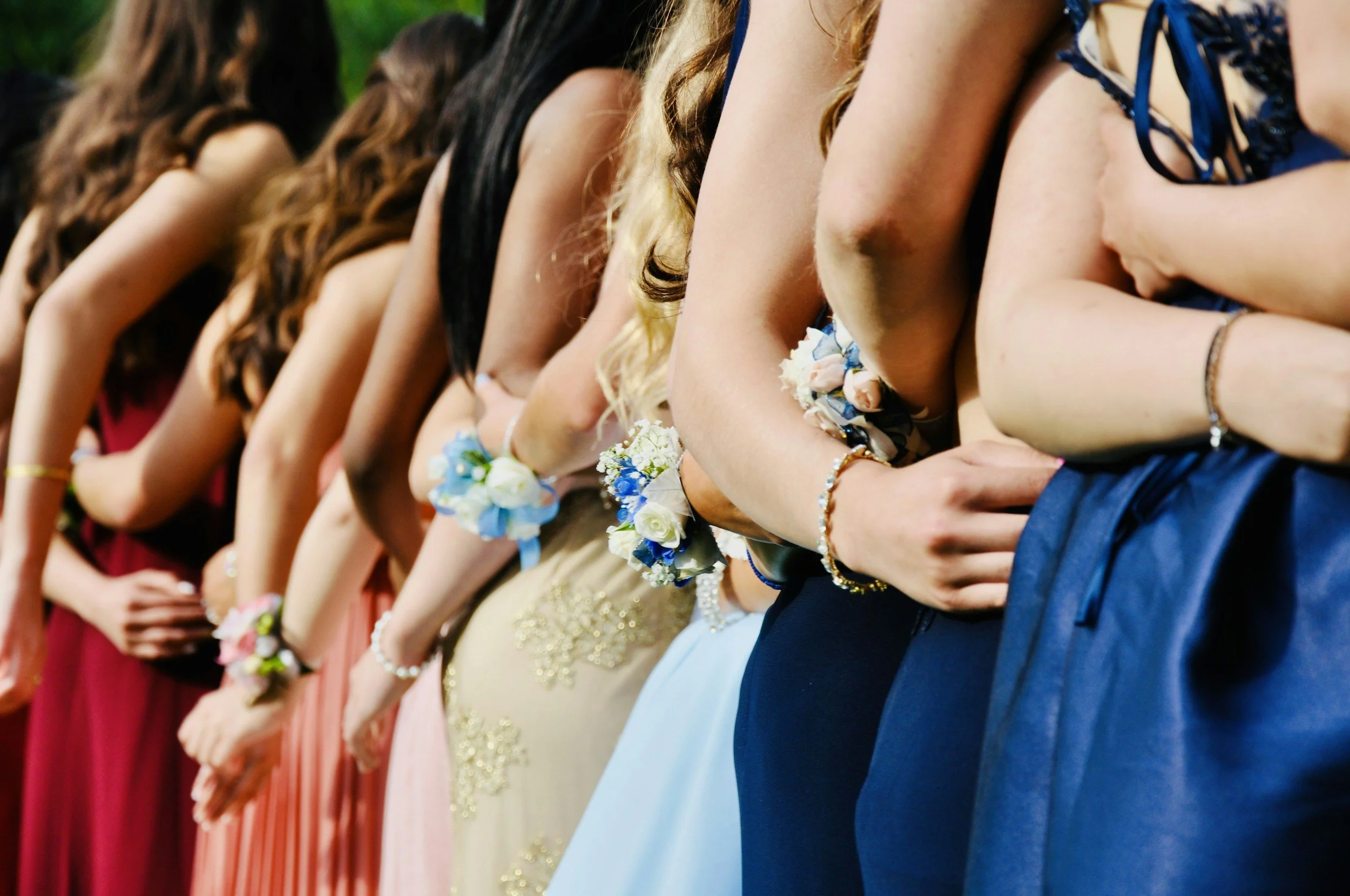
It’s prom season, and prom is one of the most well-known high school traditions in the United States. It is a formal dance usually held for juniors and seniors near the end of the school year. Students dress up, take photos, and celebrate with friends. Today, prom feels like a modern teenage event full of music, fashion, and social media posts. However, its history goes back much further than most people think.
The origins of prom can be traced to ancient civilizations. In ancient Greece and Rome, coming-of-age ceremonies marked the transition from childhood to adulthood. In Greece, young people learned skills from mentors, while in Rome, boys wore special clothing to show they had become adults. These early traditions focused on preparing young people for adult responsibilities.
Later in medieval Europe, formal dances became popular among both nobles and common people. These dances often included group formations, music, and social rules. Over time, these events helped shape the idea of formal celebrations where young people could practice manners and social skills.
A major influence on modern prom came from debutante balls in Europe between the late 1700s and early 1900s. These events introduced young women to society and were meant to show they were ready for adulthood. Debutante balls were very formal and often expensive. They included strict dress codes, etiquette rules, and social expectations. Many of these ideas later influenced American prom traditions, especially the focus on formal clothing and proper behavior.
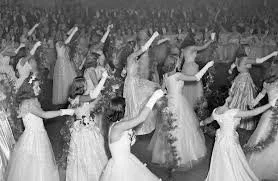
The first versions of prom in the United States appeared in the late 1800s at colleges like Harvard, Amherst, and Smith. One of the earliest recorded events was mentioned in 1879 in The Harvard Crimson, which described a “Junior Prom.” These early proms were college events, not high school dances, and were meant to be elegant social gatherings.
By the early 1900s, high schools began adopting the idea of prom. At first, these events were simple and often looked like supervised afternoon teas. Students would gather in school buildings, dress formally, and practice social etiquette. Prom helped middle-class teenagers experience traditions that were once only available to wealthy families.
During the 1920s and 1930s, prom became more popular across the United States. Schools started hosting annual dances, and the tradition spread quickly. In 1936, one of the first prom guidebooks was published, showing that prom had become an established part of student life. Over time, prom also became more structured, with committees planning decorations, music, and activities.
The 1950s are often called the “Golden Age of Prom.” After World War II, the United States experienced economic growth, which allowed schools to make proms more elaborate. Instead of school gyms, many proms were held in hotels or banquet halls. Decorations became more detailed, and traditions like prom king and queen became common. Even famous figures participated in prom culture, such as President John F. Kennedy making a surprise appearance at a high school prom in 1963.
However, prom history also reflects social inequality. Many early proms were racially segregated, especially in the southern United States. Even after schools were officially integrated, some communities continued to hold separate dances. In response, Black families often created their own proms. In some places, integrated school proms did not happen until the 2000s and 2010s, showing how long change took.
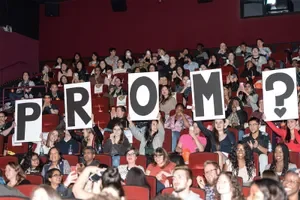
Modern prom has continued to evolve. Today, students often attend with friends, dates, or in groups. Proms are usually held in hotels, banquet halls, or large school gyms. Traditions include prom king and queen elections, corsages, formal dresses, tuxedos, and after-parties. A newer trend is the “promposal,” which is a creative or dramatic way of asking someone to prom. Promposals can range from simple signs to very elaborate performances.
Pop culture has also helped shape prom. Movies like Footloose, Pretty in Pink, and Carrie show prom as a dramatic and emotional milestone in teenage life.
Even though prom has changed over time, its purpose remains the same. It is a celebration of friendship, growth, and the transition from adolescence to adulthood.
References
Britannica, Encyclopaedia. 2026. “Prom.” Britannica. https://www.britannica.com/topic/prom.
Carolina Soma. 2024. “The Surprising Origins of Prom: A Journey Through History.” Carolina Soma. https://www.carolinasoma.com/blogs/blog/the-surprising-origins-of-prom-a-journey-through-h/.
Lesley Kennedy. 2025. “How Prom Traditions Have Evolved Through History.” History.com. https://www.history.com/articles/prom-invention-traditions.