
Why Stuffed Animals Matter More Than You Think
Why Stuffed Animals Matter More Than You Think
Written by: Keya Gambhir
Almost everyone remembers their favorite stuffed animal from childhood. It might have been a teddy bear, a bunny, a dog, or something completely unique. For kids between 10 and 13, stuffed animals might seem like something from the past, but they actually play a much bigger role in growing up than most people realize.
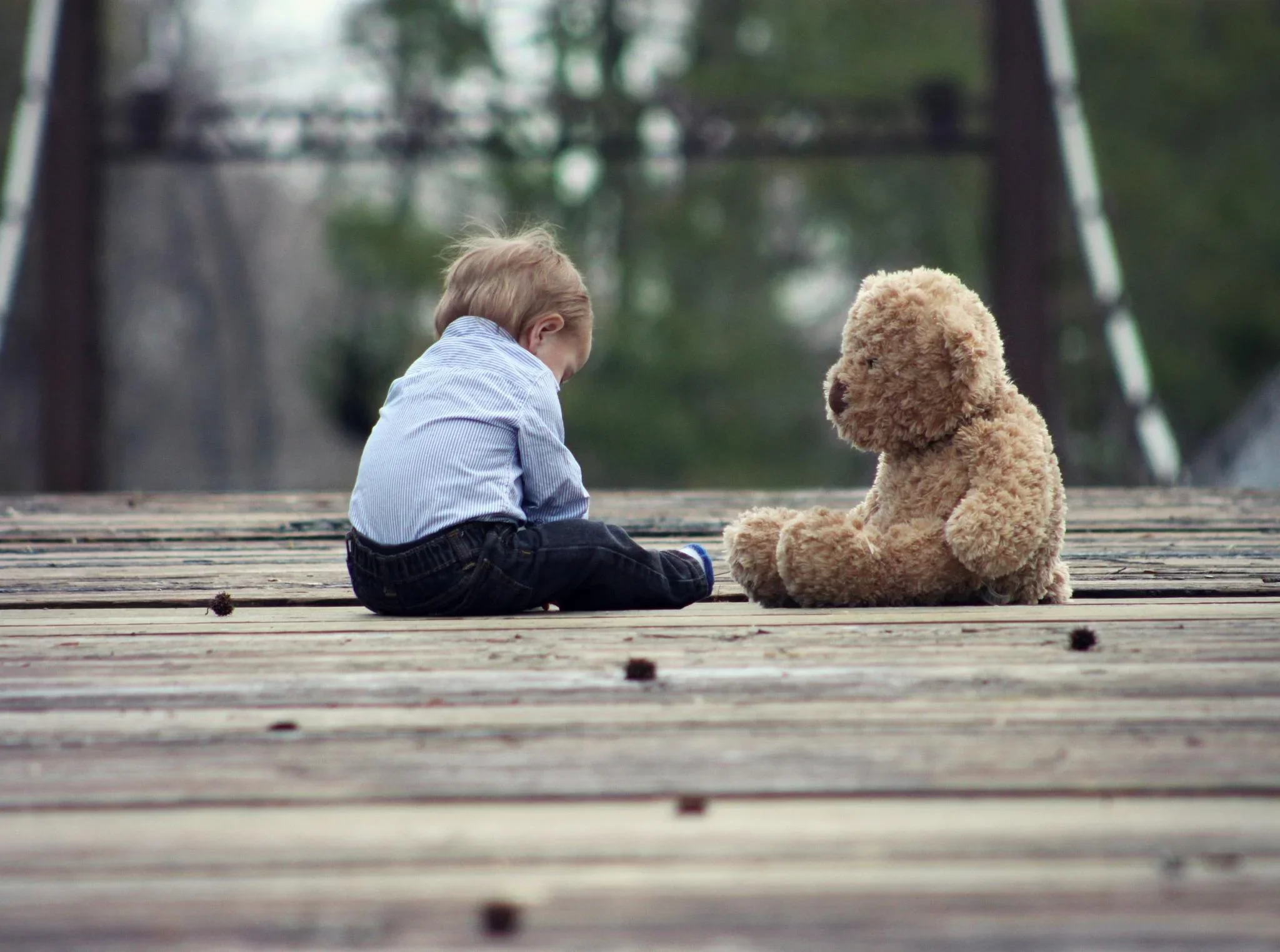
Stuffed animals are often one of a child’s first “friends.” Even though they do not talk or move, kids treat them like real companions. They give them names, include them in games, and sometimes even talk to them when no one else is around. This kind of play is not just cute, it helps kids learn important life skills.
Building Social Skills Through Play
When kids play with stuffed animals, they practice how to interact with others. For example, a child might pretend their stuffed bear is feeling sad and then figure out how to comfort it. This may seem like simple imagination, but it is actually teaching empathy.
Empathy means understanding how someone else feels. Learning this early helps kids become better friends, classmates, and teammates later in life. By taking care of a toy, kids also learn responsibility and kindness in a safe and fun way.
Comfort During Stressful Moments
Growing up comes with challenges like tests, friendship drama, or moving to a new school. Stuffed animals can help during these times by providing comfort. Many kids hug their stuffed toys when they feel nervous or upset because it helps them feel safe.
This happens because the brain connects familiar objects with security. A soft toy can feel like something stable when everything else feels uncertain. Even older kids sometimes keep a stuffed animal on their bed because it helps them relax and sleep better.
Helping Kids Express Emotions
Not every kid finds it easy to talk about feelings. Stuffed animals can help with that. Instead of saying “I feel scared,” a child might say “My teddy is scared.” This makes it easier to talk about emotions without feeling overwhelmed.
Parents and teachers sometimes use this idea too. They might ask a child what their stuffed animal is thinking or feeling. This helps kids slowly learn how to express their own emotions healthily.
Over time, this kind of play helps kids become more confident talking about what is going on inside their minds.
Encouraging Creativity and Imagination
Stuffed animals also help kids build imagination. A bedroom can turn into a jungle, a spaceship, or a secret castle. A stuffed animal can become a travel partner, a superhero, or even a student in a pretend classroom.
This type of imaginative play is important because it helps kids think creatively and solve problems. When kids imagine stories, they are also practicing how to think in new ways. These skills are useful in school and in real life, especially in subjects that require creativity and critical thinking.
Why Some Kids Keep Them Longer
Some people think stuffed animals are only for little kids, but that is not always true. Even teenagers sometimes keep them. This is normal and healthy.
As kids get older, life becomes more stressful. School pressure, friendships, and future plans can feel overwhelming. A familiar stuffed animal can act like a reminder of childhood comfort and safety. It is not about being childish, it is about having something familiar during stressful times.
When Stuffed Animals Become Part of Growth
Stuffed animals are more than toys. They can help kids:
Learn empathy and kindness
Build communication skills
Handle stress and anxiety
Develop imagination
Feel safe during changes
These skills are important for growing into confident and caring adults.
The Big Takeaway
Stuffed animals may seem simple, but they play a powerful role in childhood development. They help kids learn how to care for others, express emotions, and handle challenges in a healthy way.
So even if someone is getting older, there is nothing wrong with remembering or even still keeping a favorite stuffed animal. It might just represent some of the most important lessons learned while growing up.
References
BeaRegards. 2019. “Importance of Stuffed Animals in Child Development.” https://bearegards.com/blogs/news/stuffed-animals-and-child-development?srsltid=AfmBOop1sxziK8_pN8VUCvvhaibImpUcggW6qCssQIbApGCee-OBpXYA
Callaghan, Anne. 2022. “The Benefits of Stuffed Animals in Child Development.” https://bunniesbythebay.com/blogs/how-to-delight/the-benefits-of-stuffed-animals-in-child-development?srsltid=AfmBOormuvcTcMysf0laHnPD1VnExE08I1N47vEsH01KsW84KCWNJ4vv
Kidsville Pediatrics. 2025. “The Psychology of Favorite Stuffed Toys and Behavioral Health.” https://www.kidsvillepeds.com/blog/1375146-the-psychology-of-favorite-stuffed-toys-and-behavioral-health/