
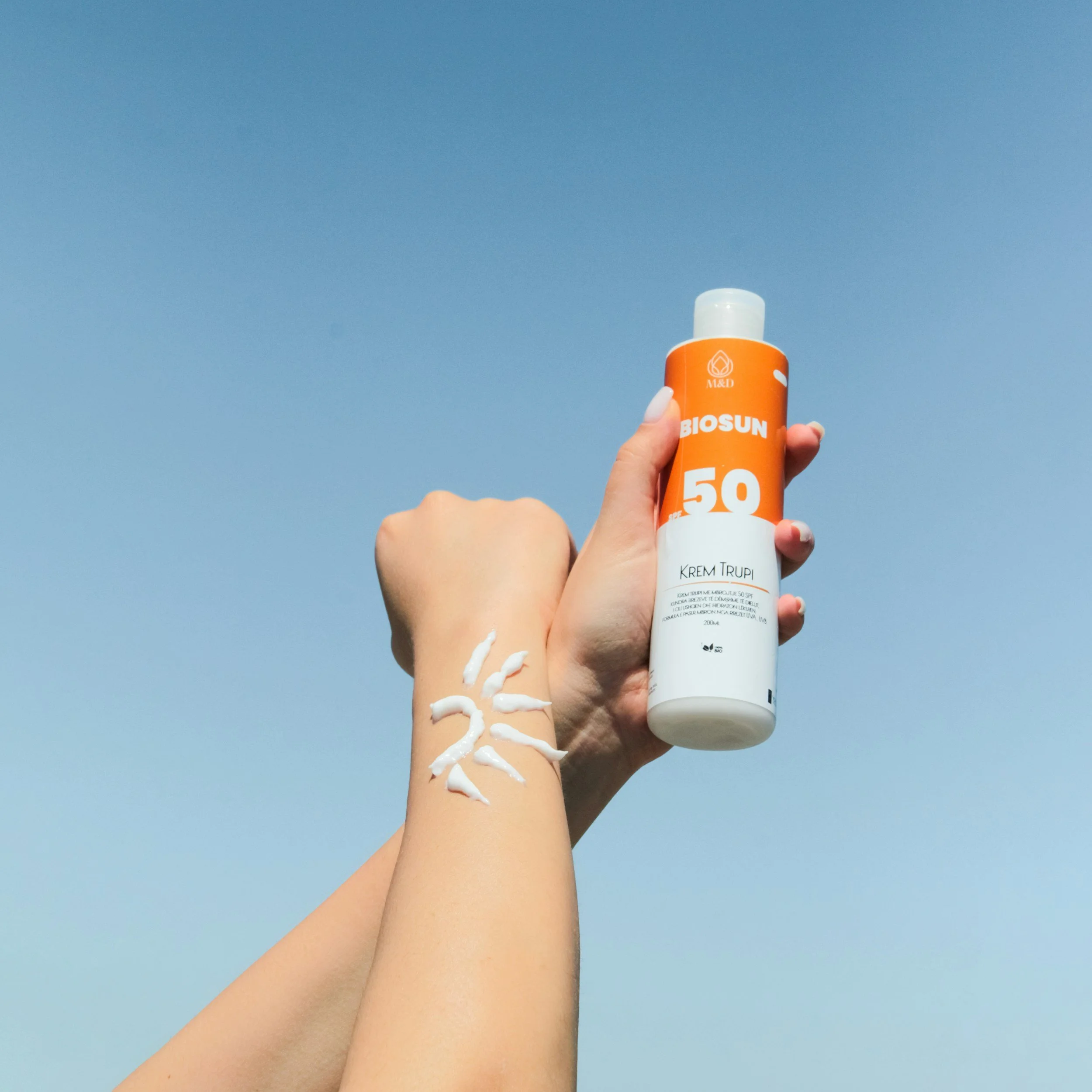
Sunburns Worst Enemy
Sunburns Worst Enemy
Written by: Paige Leal
Sunscreen might seem like just another beach bag item, but it actually does a lot more than stop people from turning into bright red tomatoes. Every day, the sun sends out ultraviolet rays that can damage skin cells, cause painful burns, speed up aging, and even increase the risk of skin cancer. Sunscreen acts like a protective shield between your skin and those rays.
There are two main types of sunscreen, and they work in different ways. Mineral sunscreen, sometimes called physical sunscreen, uses ingredients like zinc oxide or titanium dioxide. These ingredients sit on top of the skin and reflect UV rays away almost like tiny mirrors. Chemical sunscreen works differently. Instead of bouncing rays away, it absorbs the UV radiation before it can damage the skin. It’s kind of like a sponge soaking up sunlight before your skin has to deal with it.
Even though sunscreen sounds super scientific, choosing one is actually pretty simple. Dermatologists recommend using a broad-spectrum sunscreen with at least SPF 30. “Broad-spectrum” means it protects against both UVA and UVB rays. UVB rays are mostly for sunburns, while UVA rays can lead to wrinkles, dark spots, and skin aging over time. SPF is what measures how well sunscreen protects against UVB rays. SPF 30 blocks about 97% of UVB radiation, which is why it’s commonly recommended.
One of the biggest myths about sunscreen is that you only need it at the beach or during summer. Actually, UV rays can still reach your skin on cloudy days and even during winter. Snow, water, and other reflective surfaces can bounce sunlight back onto your skin, increasing exposure. That means sunscreen is important year-round, no matter if the sun is out or hidden behind the clouds.
Sunscreen also works best when it’s used correctly. Experts say people often do not apply enough, forget spots, or fail to reapply after swimming or sweating. Reapplying every two hours helps keep protection strong throughout the day.
At the end of the day, sunscreen is basically your skin’s bodyguard. It plays a huge role in protecting your skin from damage you cannot always see right away. On the bright side, preventing a painful sunburn that does show up right away will always be a win.
.
References
MD Anderson Cancer Center. n.d. “How Does Sunscreen Work?” MD Anderson Cancer Center. https://www.mdanderson.org/cancerwise/how-does-sunscreen-work.h00-159698334.html.
Harvard Health Publishing. n.d. “The Science of Sunscreen.” Harvard Health Publishing. https://www.health.harvard.edu/healthy-aging-and-longevity/the-science-of-sunscreen.