
Sweden: The Land of Light and Forests
Sweden: The Land of Light and Forests
Written by: Natalie Yao
Geography and Nature
The nation of Sweden is located in northern Europe, and has a land area of about 174 thousand miles. Sweden shares a border with two countries: Norway and Finland. The country is in a region called Scandinavia, which the countries of Denmark and Norway are also a part of. In addition to the large mainland, Sweden is also made up of many tiny islands. In fact, there are 24 thousand islands that are a part of Swedish territory. The country is also filled with forests, which occupy over half of the country. There are also many lakes, about 100 thousand lakes specifically, in Sweden, and take up about 8 percent of the nation's land area. Some major Swedish cities include its capital Stockholm, Gothenburg, Malmo, and Uppsala.
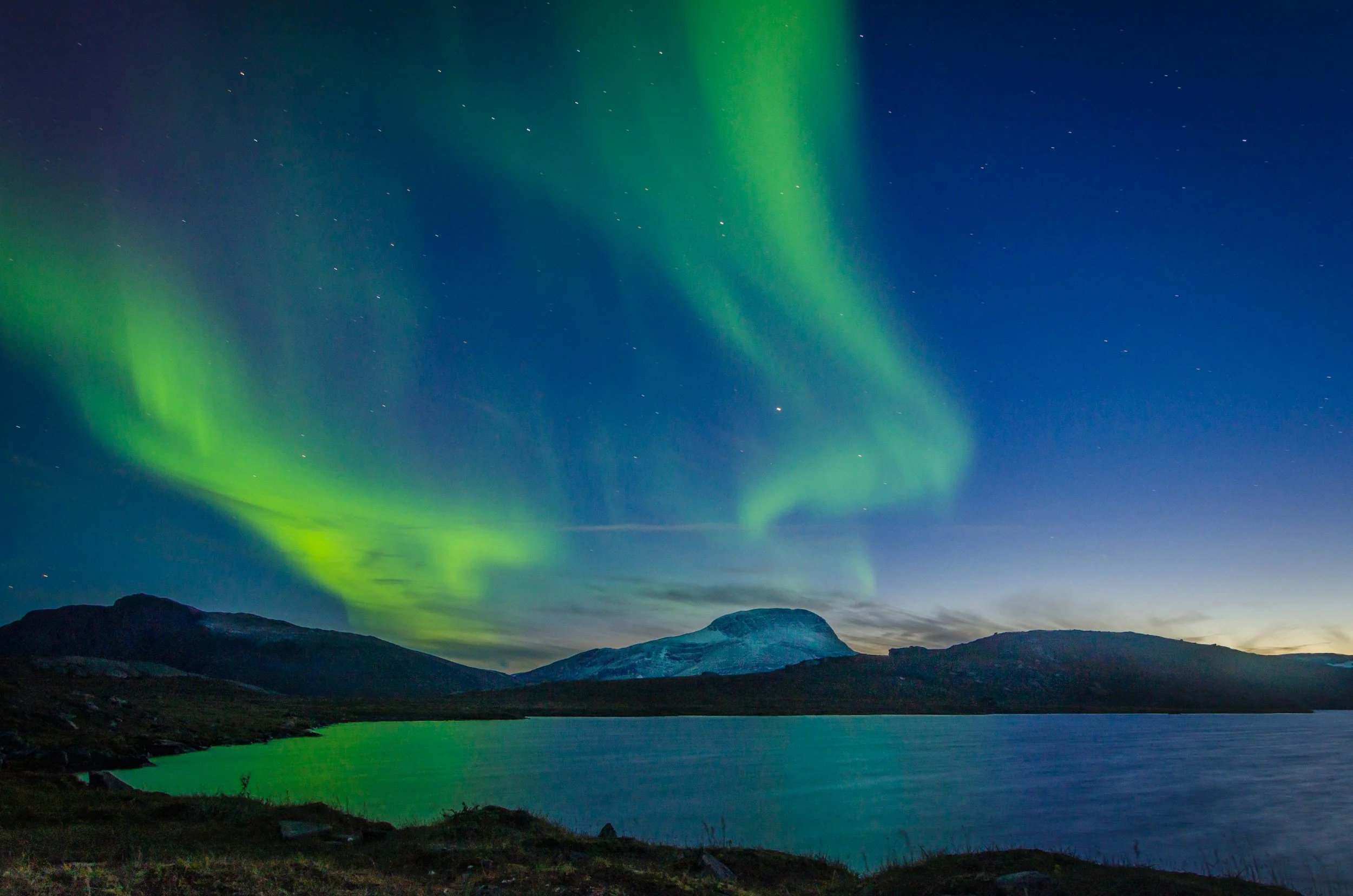
Since Sweden is so close to the Arctic, they do not get much sunlight, making the days short and the nights long. It is cold year round, and snowfall can occur regularly for 8 months a year. During the spring and fall, green lights known as aurora borealis can be found in the night sky. Since 70 percent of Sweden is forested, it is home to many animals and plants. Some species include bears, lynx, moose, wolves, hares, foxes, elk, weasels, wolverines, and reindeer.
People and Culture
In Sweden, most people are ethnically Swedes, but there are also small groups of Asians, Africans, and other Europeans that live there as well. Currently, more people live in cities than in the country, but before there were more people that lived in the countryside than in cities. In addition, with a population of about 10 million people, Sweden is one of the least populated countries in Europe. The official language is Swedish, and a large portion of its population follows Lutheran Christianity. Sweden is also known for being the home of the Nobel Peace prizes, which are named after Alfred Nobel, a famous Swedish scientist.
Swedish cuisine is simple and is centered around seasonal ingredients such as fish. Some other common ingredients are potatoes, root vegetables, wild berries, and pork.
Some popular dishes include:
Köttbullar: meatballs served with mashed potatoes, gravy, pickled cucumbers, and lingonberry jam
Smörgåstårta: a savory cake with different layers of sandwich fillings like salmon, dill, and sour cream
Pyttipanna: fried potatoes, meat, and onions with a fried egg on top
Kladdkaka: a rich and gooey chocolate cake, served with cream and berries
National Symbols
National Flower: the Harebell (little bluebell)
National Animal: Eurasian Elk
National Colors: Blue and Yellow
National Tree: the Ornäs birch
References
National Geographic Kids. 2025. “Sweden.” https://kids.nationalgeographic.com/geography/countries/article/sweden.
Britannica Kids. 2025. "Sweden." https://kids.britannica.com/kids/article/Sweden/345794.