
Tread, Traction and Tires
Tread, Traction and Tires
Written by: Paige Leal
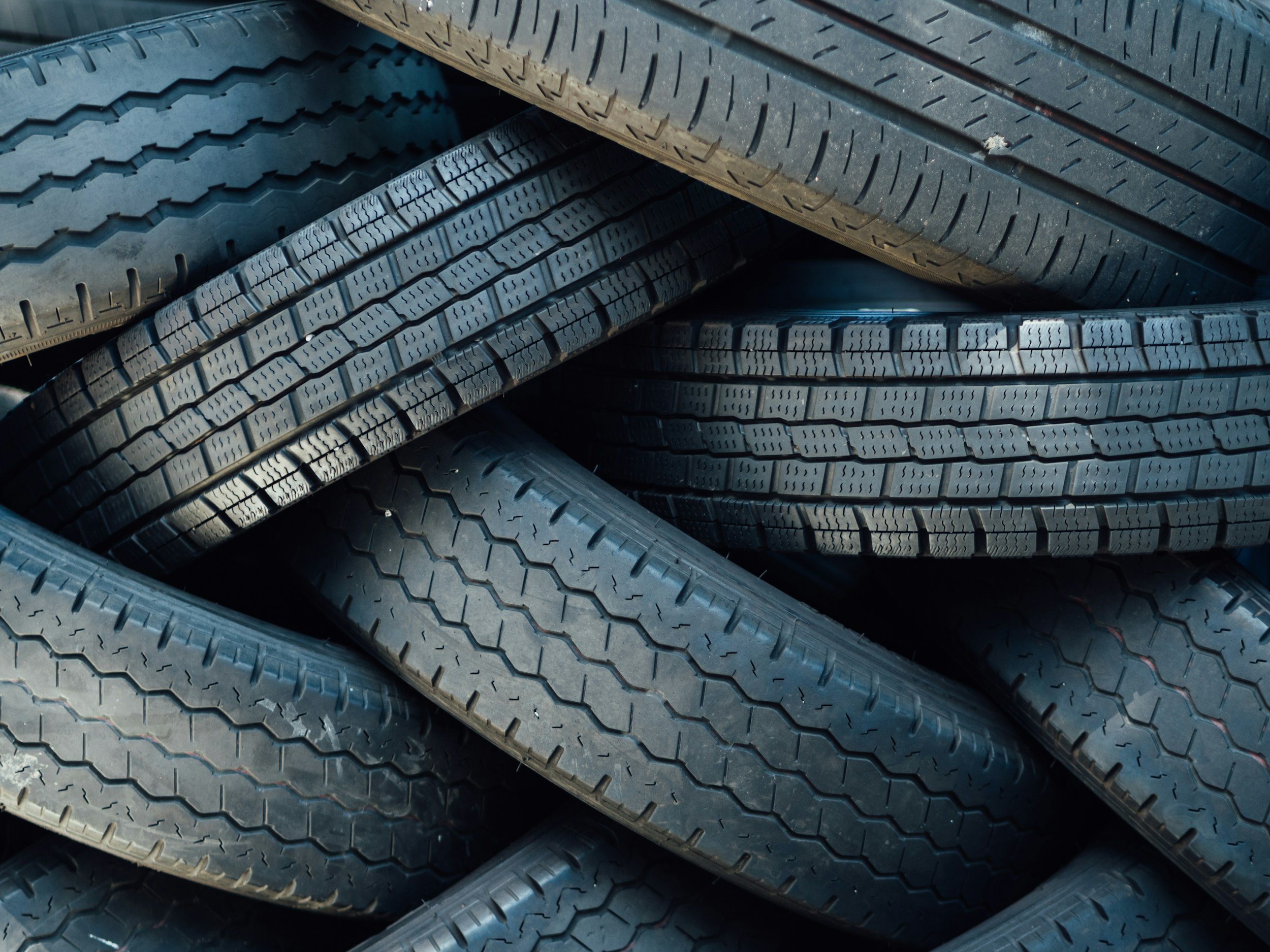
Tires are an everyday use that are overlooked in a way that no one knows how much they actually do. Thinking of a tire, anyone would picture the four black circles on a car. But tires are actually way more interesting than they look! A mountain bike, race car, truck, and airplane can all have tires, but their tires are designed for completely different jobs. The biggest reason? Traction. Tires have to be able to grip the surface they are moving across, and different vehicles need different amounts and types of grip depending on what they are specialized for.
For example, a mountain bike. Its tires usually have large, chunky pieces of rubber called tread that stick out from the surface. Tread is what helps the bike grip dirt, rocks, and uneven trails. The extra traction is especially helpful when riding up steep or slippery hills. A smooth road bike tire, on the other hand, has much less tread because it is designed to roll quickly and smoothly over pavement. Basically, mountain bike tires are grippy while road bike tires are smooth and quick.
Car tires are also made for different situations. All-season tires are designed to work in many types of weather, while winter tires are made to provide better grip in cold, snowy, and icy conditions. While going on a long drive through the snow, people change their tires specifically to snow tires because they have a better grip, dead treads, tiny sipes and shoter stopping all contributing to a smooth and safer drive through rough snow. Summer tires focus on strong grip and handling in warmer weather. There are even all-terrain tires for trucks and SUVs that need to handle both regular roads and dirt or gravel.
Then there are airplane tires, which are a whole different level of tire. They may look small and simple, but they have to handle enormous forces when an airplane lands. Airplane tires can be inflated to pressures much higher than normal car tires, and they are built with thicker rubber and more layers to handle the heavy loads, heat and tension created during takeoff and landing. Their tread is also designed differently because airplanes only need traction on the runway for a short part of their journey.
Even though tires come in all shapes, sizes, and designs, they all have the same basic mission, which is to keep the vehicle safely connected to the ground. The tread, rubber, pressure, and structure are all carefully chosen for the job the tire needs to do.
So the next time you see a tire, take a second look, guess if the little circle of rubber might be built for climbing mountains, racing around a track, driving through snow, or landing a giant airplane.
References
U.S. Tire Manufacturers Association. “Tires 101.” U.S. Tire Manufacturers Association. Accessed September 13, 2026. https://www.ustires.org/tires-101
Discount Tire. “Tire Types Explained: How to Choose the Right Set for Your Drive.” Discount Tire. Accessed September 13, 2026. https://www.americastire.com/learn/tire-types?storeCode=2228
Kämpf, Peter. “How Do Airplane Wheels Differ from Automobile Wheels and Why?” Aviation Stack Exchange, January 31, 2022. https://aviation.stackexchange.com/questions/91559/how-do-airplane-wheels-differ-from-automobile-wheels-and-why.