
UK Social Media Ban For Kids Under 16 Has Warranted Major Attention
UK Social Media Ban For Kids Under 16 Has Warranted Major Attention
Written by: Sitara Nair
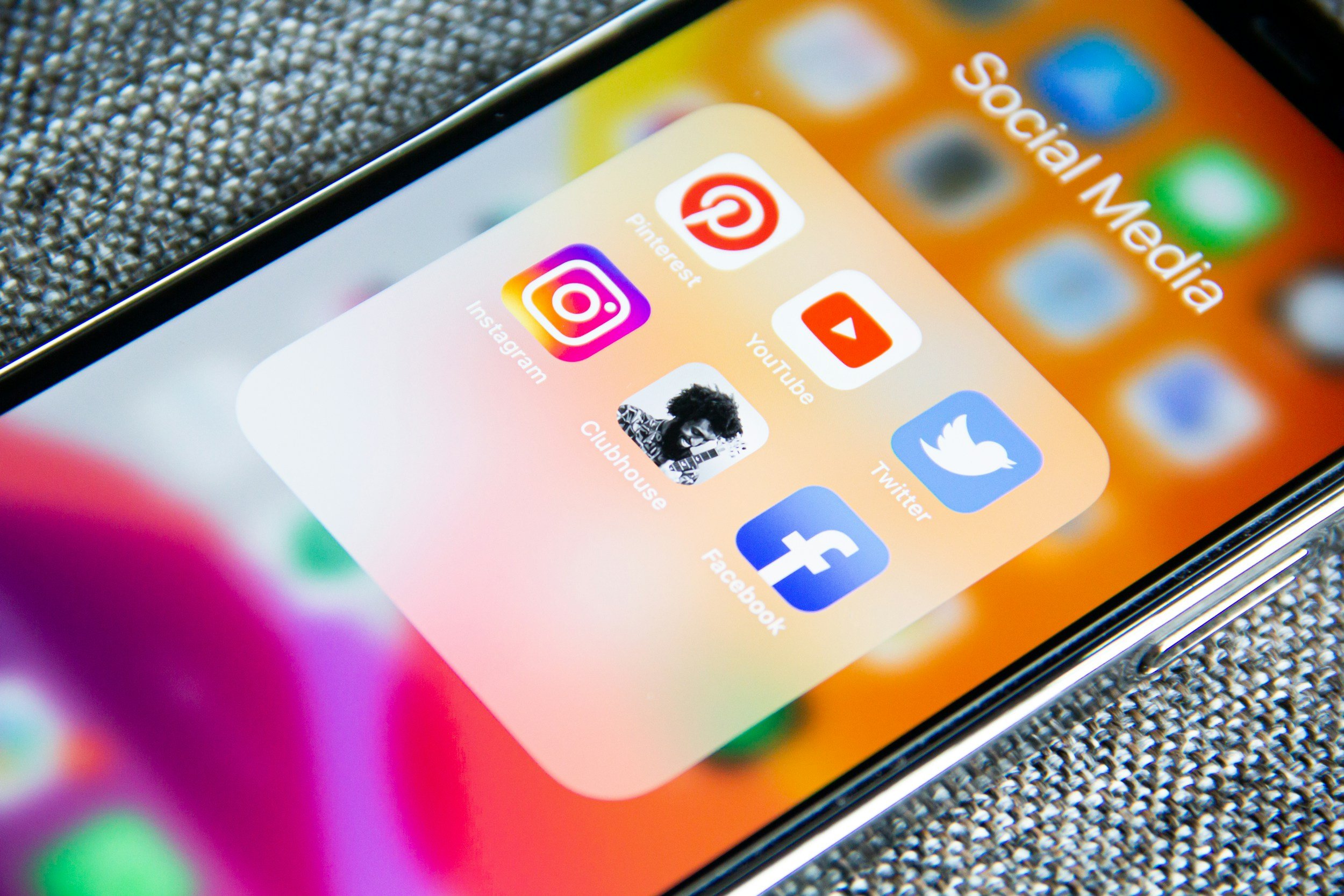
The United Kingdom government has recently announced a major ban preventing children under 16 from using major social media platforms such as Instagram, Snapchat, TikTok, Facebook, YouTube, and X. This ban will be implemented in the spring of 2027 and has sparked differing opinions among citizens.
Prime Minister Keir Starmer has led this ban and plans to focus the repercussions of noncompliance on these large tech companies rather than on the children responsible. Tech companies will face multimillion-pound fines if they refuse to enforce this ban, but messaging apps like WhatsApp and Signal are excluded. This proposal represents one of teh strongest attempts by a democratic government to limit youth access to social media, therefore sparking debate about online safety and the role technology ultimately plays in young people’s lives.
One of the main reasons behind the proposed ban is growing concern over the mental health of children and teenagers. In recent years, as technological use has only increased, researchers, educators, and parents have raised concerns that excessive social media use can contribute to anxiety, depression, low self esteem, and varying levels of loneliness. Many social media platforms rely on algorithms that keep users engaged for long periods of time, often exposing them to unrealistic beauty standards, cyberbullying, and harmful content. Supporters of the ban might argue that younger users are especially vulnerable because they might not have the emotional maturity to handle and navigate the pressures that come with social media. By limiting access until the age of 16, advocates believe that children will have more opportunities to focus on education, hobbies, and in-person relationships.
Another argument in favor of the ban centers on online safety. Social media platforms can expose susceptible children to inappropriate content, misinformation, scams, and even online predators. Although numerous platforms already have age restrictions, critics argue that these rules are easy to bypass because users can simply enter a false birth date when creating an account. The new legislation would require companies to verify users' ages more effectively and take responsibility for preventing underage access. Supporters believe this approach will create a safer online environment and encourage technology companies to prioritize child protection over profit.
Despite these benefits, many may still oppose the ban. Social media has become an important part of modern communication, and banning children from these platforms could isolate them from their peers. Teens often use social media to maintain friendships, participate in communities, and express themselves creatively. Some opponents also believe that teaching responsible online behavior would be more effective than restricting access altogether. Instead of just banning social media, they argue that schools and parents should help young people develop digital literacy skills so they can navigate online spaces safely.
Enforcing the ban also presents many challenges, though. Technology companies will need reliable methods of age verification, which may raise privacy concerns. Some people worry that collecting additional personal information could create risks related to data security and surveillance. Furthermore, determined users may still find ways to bypass restrictions through virtual private networks (otherwise known as VPNs), shared accounts, or other methods. As a result, critics question whether the ban will be as effective as supporters hope.
The UK's decision has also attracted international attention. Governments around the world are facing similar concerns about the impact of social media on young people, and some may look to the United Kingdom as a model. If the policy proves successful, other countries could adopt comparable regulations. However, if major problems arise during implementation, it may serve as a warning against large-scale social media restrictions.
References
British Broadcasting Corporation (BBC). “UK Bans Children Younger Than 16 from Using Social Media Apps Including TikTok and YouTube.” BBC News, June 2026. https://www.bbc.com/news/articles/c9824zvpz9po.
Department for Science, Innovation and Technology. “Social Media to Be Banned for Under-16s in Landmark Government Move to Give Kids Their Childhood Back.” GOV.UK, June 15, 2026. https://www.gov.uk/government/news/social-media-to-be-banned-for-under-16s-in-landmark-government-move-to-givekids-their-childhood-back.
PBS NewsHour. “UK Bans Children Younger Than 16 from Using Social Media Apps, Including TikTok and YouTube.” PBS NewsHour, June 2026. https://www.pbs.org/newshour/world/uk-bans-children-younger-than-16-from-using-social-media-apps-including-tiktok-and-youtube.