
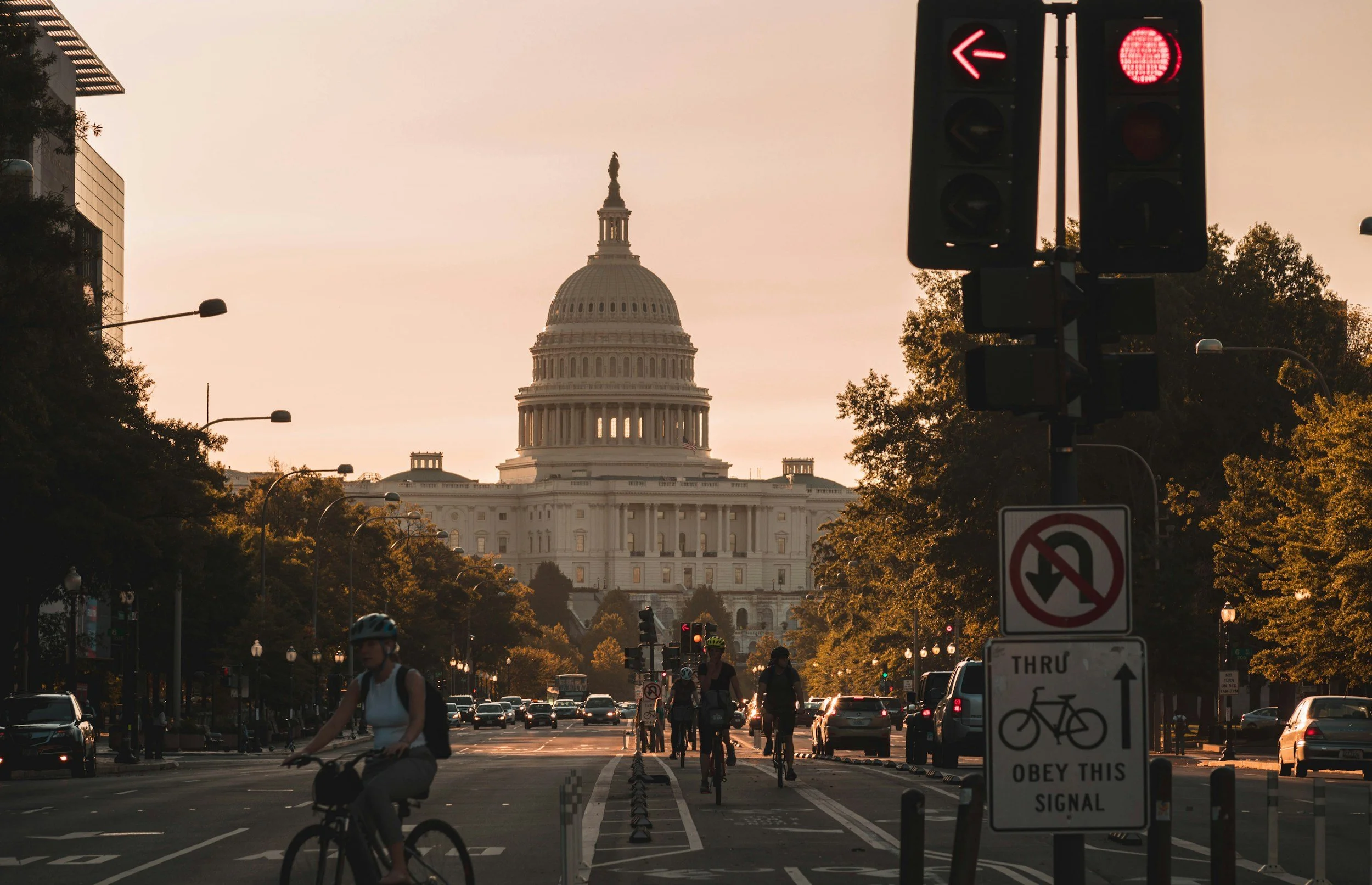
Washington DC: An Architectural Marvel
Many people know that the capital of the United States is Washington DC, but did you know how it gained this title? Or how the white house, capital building, and monuments of many historical figures were placed there? All of these attributes of the city add to the rich American history that the area is home to.
The location of the city was carved out of a 100 square mile radius, adjacent to Maryland and Virginia. This area was established in 1790 by the United States Congress. The city gained its name as the District of Columbia and after the civil war gained added to its former name of just Washington. All of the land is federal land, not a state. This means that the territory does not have to pay taxes to the federal government, they simply have a mayor and are also managed by federal statutes. The majority of the people living in the territory work for the federal government! In 2025, 1 in every 5 jobs was working for the United States. The population of the territory used to be much higher. However, at the end of the 20th century, many people began moving to nearby suburbs in Virginia and Maryland. One fourth of the population left during this time.
The city was planned by Charles De Enfant, a french engineer that fought in the revolutionary war. Much of the topography and architecture of the city was influenced by French buildings and streets such as the palace of Versailles. He placed the Capital building high up on the street, then the white house at a lower place farther down Pennsylvania Avenue. By starting with a building he felt was most important, Enfant then drew streets to different aspects of the city. The roads in DC are simply diagonal lines that go northwest, northeast, southwest, and southeast. In 1900, his plans were changed to include more room for museums, monuments, and common spaces.
In 1899 congress began enacting height restrictions for buildings in Washington for safety and aesthetic reasons. The Height of Buildings Act was passed in 1910, saying that no building in Washington DC could be taller than 130 feet. The Capital building was designed for William Thorton in 1792. This building and the White House were inspired by a Greek Revival style. In more modern buildings such as the Department of Commerce have a more art deco feel.
Washington DC: An Architectural Marvel
Written by: Anna Pafenberg
References
Encyclopaedia Britannica. “Washington, D.C.: City Layout.” Encyclopaedia Britannica. Accessed October 27, 2026. https://www.britannica.com/place/Washington-DC/City-layout .
Destination DC. “Washington, DC History.” Washington.org. Accessed October 27, 2026. https://washington.org/DC-information/washington-dc-history .
National Geographic Kids. “Washington, D.C.” National Geographic Kids. Accessed October 27, 2026. https://kids.nationalgeographic.com/geography/states/article/washington-dc