
Why Do We Have Fingertips?
Why Do We Have Fingertips?
Written by: Paige Leal
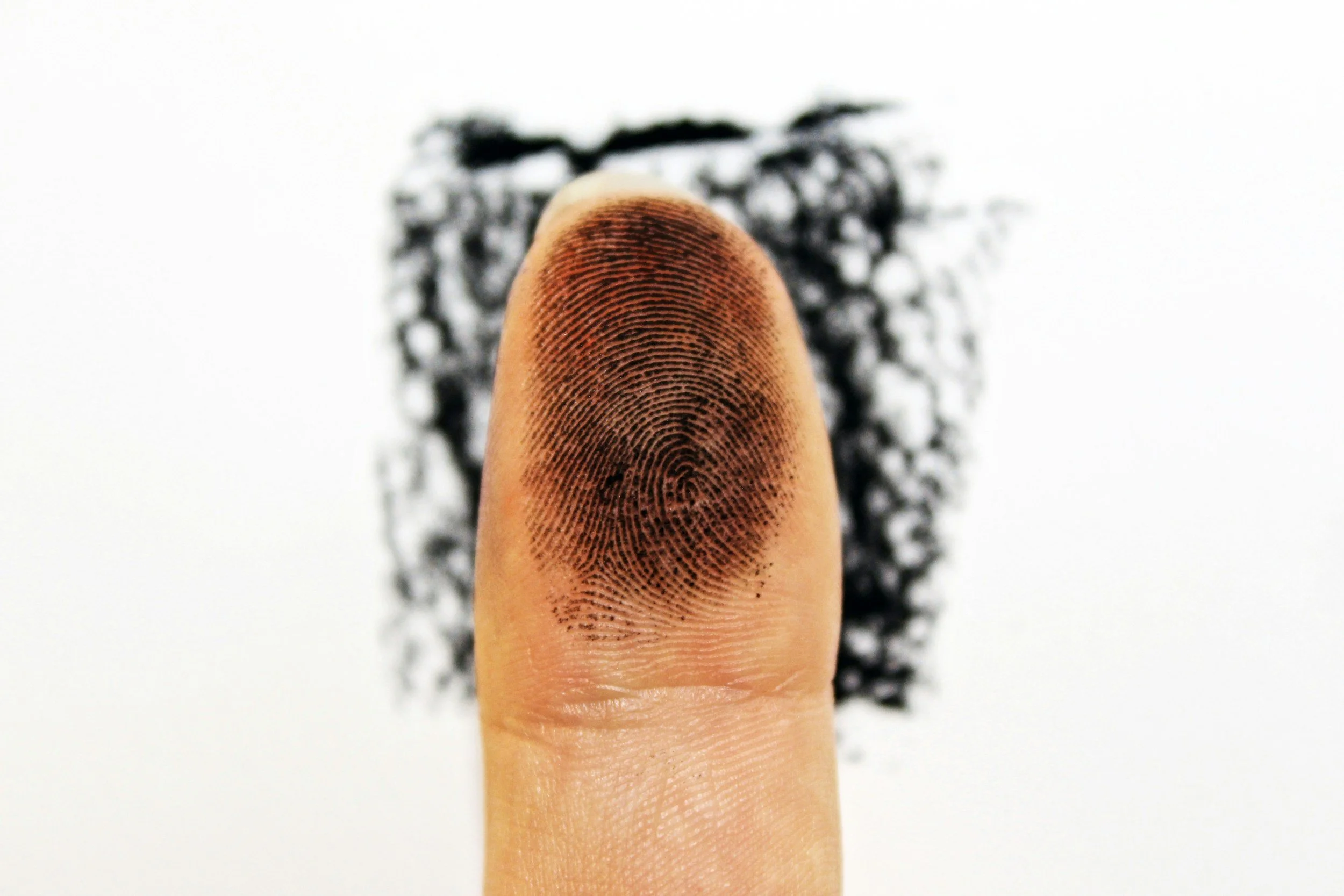
Pick up your hand and look down on your finger tips. Those tiny swirls, loops, and ridges may seem like random lines, but they are actually one of the most unique features of your body. Those finger prints have been with you since even before you were born, nobody else has exactly the same ones. Insane to think of how a finger print can never be replicated.
Fingerprints are made up of raised ridges and small grooves on the skin of your fingers and thumbs. Scientists generally group them into three main patterns: loops, whorls, and arches. You might have a combination of all three across your fingers. Even identical twins, who share nearly identical DNA, will always have different fingerprints.
Fingerprints begin developing before birth, while a baby is still growing in the womb. Genetics help determine the general pattern, but tiny environmental differences also influence the final details. Things like the position of the developing fingers, pressure in the womb, and the movement of surrounding fluid can affect the ridges. By the time fingerprints are fully formed, their tiny details are essentially locked in. As you grow, your fingers get bigger, but the basic patterns will remain the same.
Scientists are still studying exactly why humans evolved to have fingerprints, why not just have a smooth finger with no ridges? One possibility is that the ridges improve our sense of touch by making certain vibrations easier to detect. Another idea is that they help with gripping objects. The ridges can also help manage moisture on the fingertips, which may make it easier to hold onto things.
Fingerprints have been useful to humans for a very long time. Ancient people in Babylon and China used fingerprints on documents and clay as marks of identity, this method is still being used today. Centuries later, scientists began studying fingerprint patterns more carefully, and eventually fingerprints became an important tool in forensic science.
Today, fingerprints can help identify people because the tiny details in each person's print are different. Investigators can compare patterns and individual ridge characteristics when examining a fingerprint left on an object. Fingerprints are also used for everyday technology, such as unlocking phones and other devices.
Your fingerprints may just look like little random squiggly lines, but they are actually a permanent part of you and help make all people more unique. From helping us feel textures to giving us a personal password into our devices, these tiny ridges are doing much more than sitting on our fingertips.
References
Bou Abdo, Layal. 2020. “Why Do We Have Fingerprints?” Little Medical School – Ottawa. https://littlemedicalschool.com/ottawa/blog/why-do-we-have-fingerprints/.
Sloan, Marisa. 2023. “Why Do We Have Fingerprints?” Discover Magazine, February 1, 2023. https://www.discovermagazine.com/why-do-we-have-fingerprints-44553.
Forensic Science Simplified. n.d. “Fingerprint Analysis: Principles.” Accessed August 10, 2026. https://www.forensicsciencesimplified.org/prints/principles.html.