
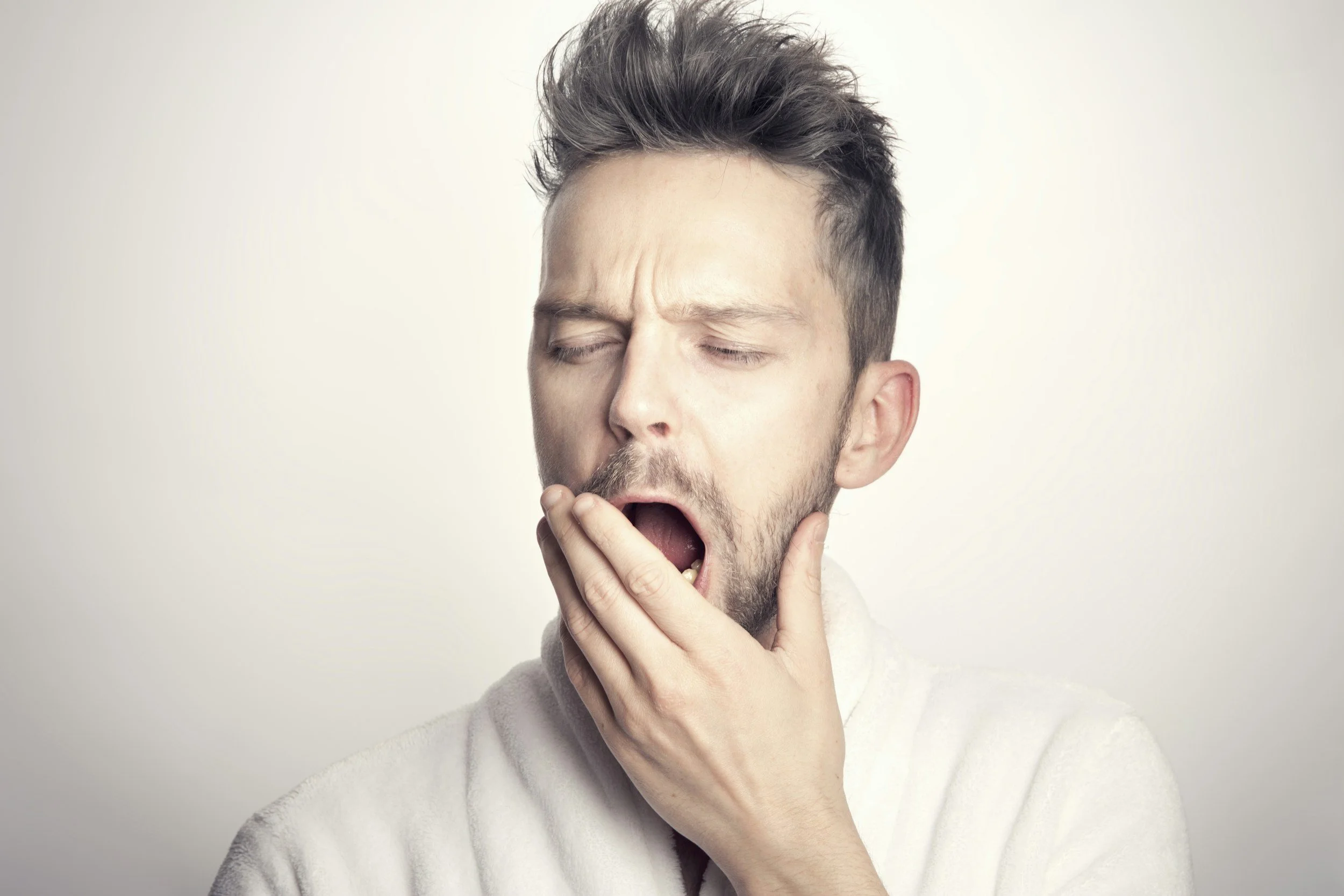
Why Do We Yawn?
Why Do We Yawn?
Written by: Paige Leal
A common experience for people all over the globe is yawning. You're sitting in class, watching a movie, or lying in bed when suddenly your mouth becomes wide open, you can’t stop the huge yawn from being let out. The weirdest part is that reading about yawning or seeing someone else yawn can make you start to yawn aswell. While yawning is something humans do every day, scientists are still trying to fully understand why it happens.
A yawn is an involuntary action that involves opening your mouth, taking in a deep breath, and then slowly exhaling. Humans begin yawning before they are even born, and many animals, including dogs, cats, birds, and chimpanzees, yawn as well. Because so many species do it, researchers believe yawning serves an important purpose.
For many years, people thought yawning happened because the body needed more oxygen. However, studies have shown that this explanation is probably not correct. Scientists now have several different theories about why we yawn, with one of the most popular being the brain cooling theory.
The idea is that yawning might help regulate the temperature of the brain.The deep breath and stretching movements involved in a yawn may increase blood flow and bring cooler air into the body. This process could help the brain function more efficiently when it starts to get too warm.
Yawning is also strongly connected to tiredness and changes in alertness. People often yawn when they are sleepy, bored, or waking up in the morning. Researchers think yawning may help the brain transition between different levels of activity. In other words, a yawn could act like a small reset button that helps you become more alert and focused.
One of the most interesting things about yawning is that it can be contagious. Have you yawned while reading this article, because I certainly have just by writing it! Seeing, hearing, or even thinking about a yawn can trigger one of your own. Scientists believe contagious yawning may be connected to social bonding and empathy. Studies have found that people are often more likely to "catch" yawns from family members, friends, or people they feel connected to.
Although researchers still do not know every detail about why we yawn, they have learned that it is much more complicated than simply being tired. From cooling the brain to helping us stay alert and connect with others, yawning remains one of the most common and fascinating behaviors shared by humans and many animals around the world.
References
Cleveland Clinic. 2024. “Yawning.” Cleveland Clinic. Accessed June 7, 2026. https://my.clevelandclinic.org/health/body/yawning.
Gallup, Andrew C. 2013. “Why Do We Yawn? Primitive Versus Derived Features.” Frontiers in Evolutionary Neuroscience 5 (April). https://pmc.ncbi.nlm.nih.gov/articles/PMC3678674/.
Sleep Foundation Editorial Team. 2024. “Why Do You Yawn?” Sleep Foundation. Accessed June 7, 2026. https://www.sleepfoundation.org/sleep-faqs/why-do-you-yawn.