
Wonderful Wolves
Wonderful Wolves
Written by: Natalie Yao
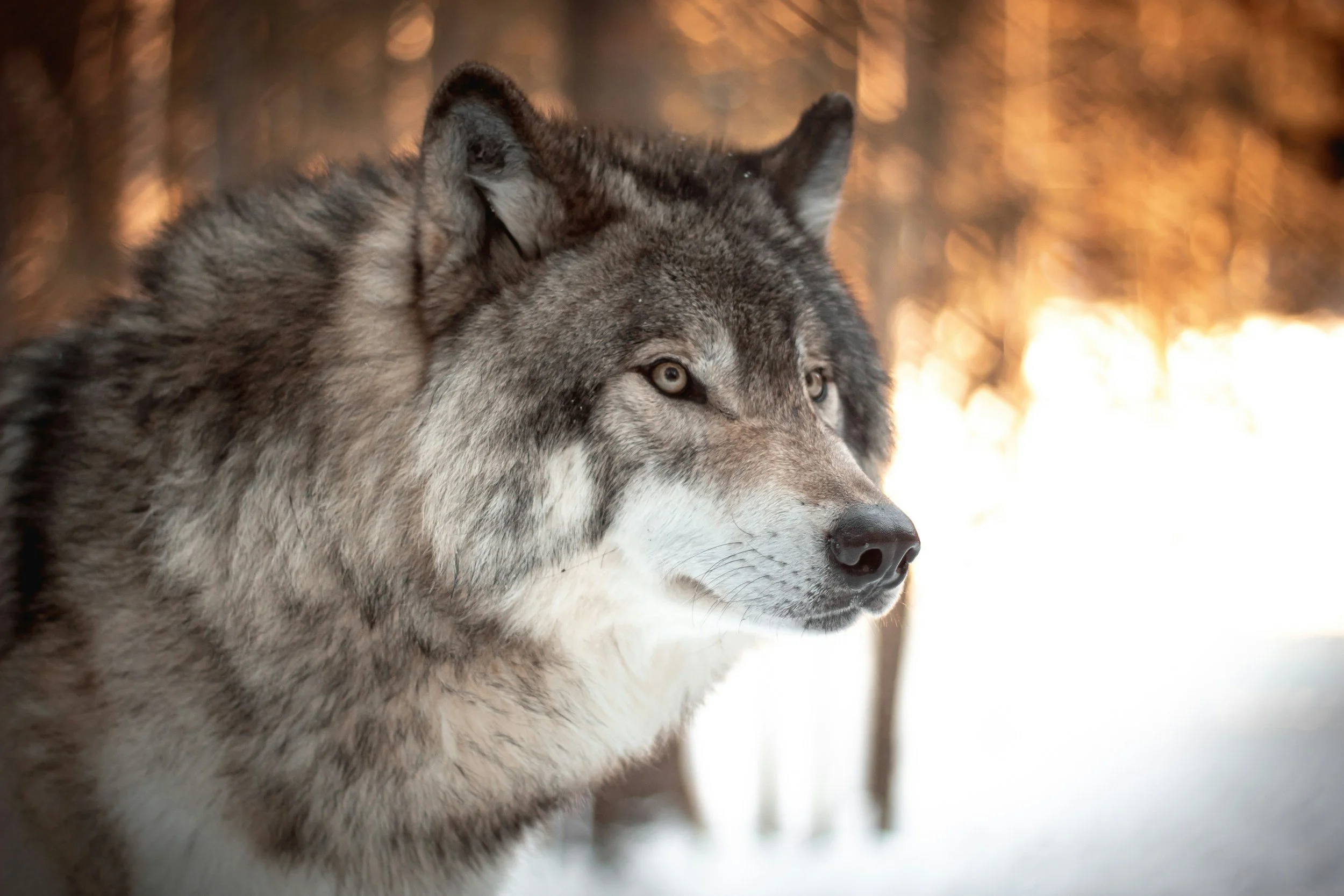
Wolves are intelligent animals and the wild relatives of pet dogs. With powerful legs, sharp senses, and thick fur, they are built for life outdoors.
Gray wolves live in parts of North America, Europe, and Asia. Despite their name, their coats can be gray, white, brown, or black. They survive in many habitats, including forests, grasslands, mountains, and Arctic tundra. Their fur helps keep them warm during freezing winters.
One of the most interesting things about wolves is their family life. Most wild wolf packs are families made up of parents and their young. Older offspring may stay and help care for younger pups before leaving to find mates and start families of their own. Wolf pups are born in a sheltered den. In the beginning, their eyes are closed, and they depend completely on their mother. As they grow, they explore, wrestle, and chase one another, and these playful activities help them practice skills they will need as adults. Wolves communicate in several ways. They howl to gather their pack, stay in contact, and warn other wolves that an area is occupied. They also use scent marks, facial expressions, and body movements. A tucked tail or lowered body can send a message without a single sound.
Although stories sometimes describe wolves as scary villains, real wolves usually avoid people. They are carnivores, which means they eat meat. Depending on where they live, they may hunt deer, elk, moose, or smaller animals. They also sometimes eat animals that have already died. Hunting takes patience and teamwork. Large prey can be fast, strong, and dangerous, so wolves do not succeed every time. Their excellent sense of smell helps them locate food, while their hearing helps them notice sounds that humans might miss.
Wolves play an important role in nature. By hunting plant eaters, they can help influence how many of these animals live in an area and where they feed. Leftover food from wolf meals also feeds scavengers, including ravens and other hungry wildlife. Living near people can create challenges for wolves. Roads can divide their habitat, and wolves sometimes attack farm animals. Protecting livestock with secure fencing, trained guardian dogs, and other methods can help reduce conflicts between wolves and farmers. Each pack needs enough space to find food, raise pups, and travel safely between places.
References
Encyclopaedia Britannica. n.d. “Wolf.” Britannica Kids. https://kids.britannica.com/kids/article/wolf/353930
National Geographic. n.d. “Gray Wolf.” National Geographic Kids. https://kids.nationalgeographic.com/animals/mammals/facts/gray-wolf