
Spain Wins the 2026 World Cup in an Exciting Final
Spain Wins the 2026 World Cup in an Exciting Final
Written by: Keya Gambhir
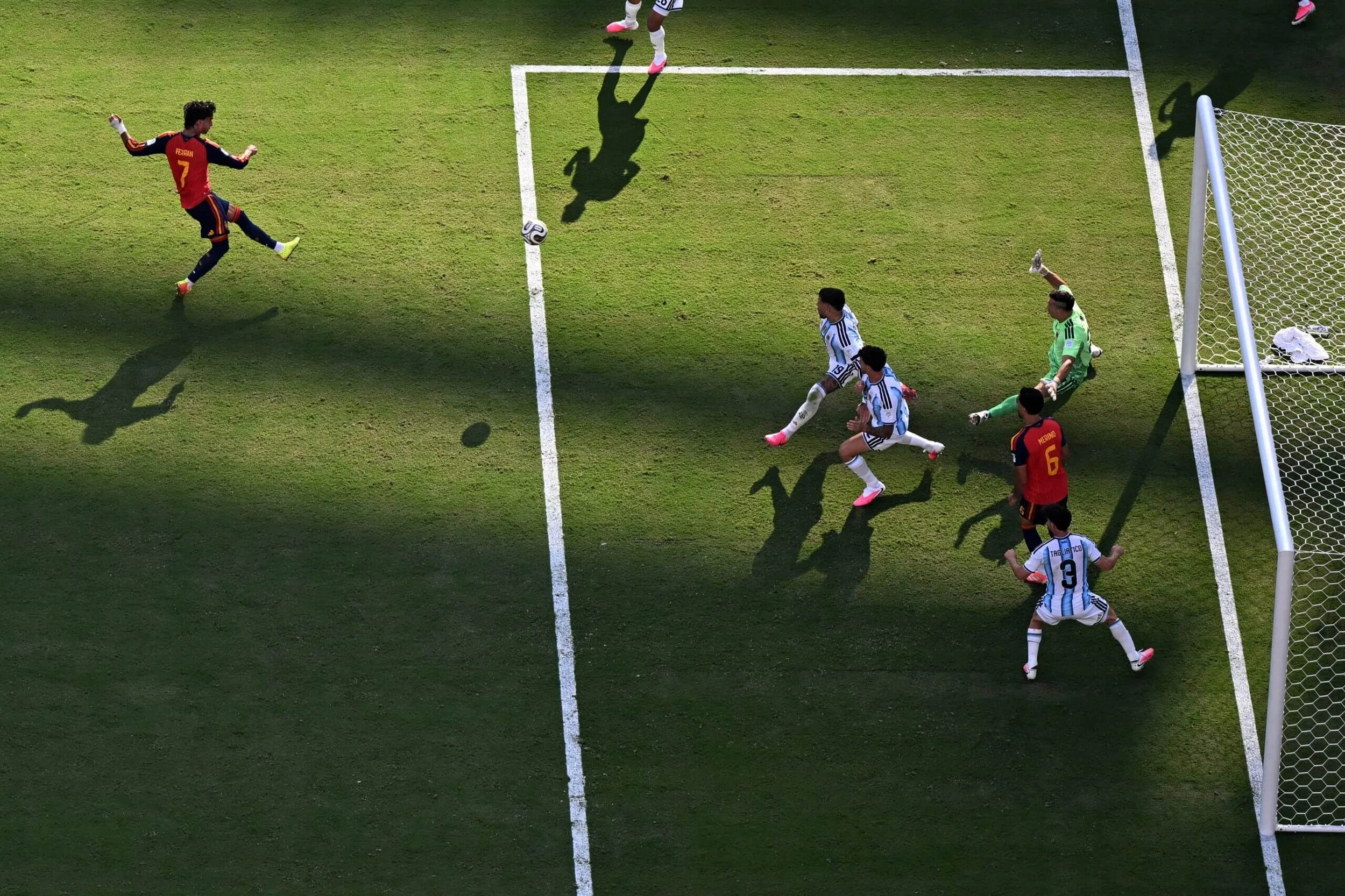
Imagine watching the biggest soccer game in the world with millions of fans cheering from every corner of the globe. That was the scene on July 19, 2026, when Spain faced Argentina in the FIFA World Cup Final in East Rutherford, New Jersey. After more than 100 minutes of tense soccer, Spain won 1–0 and became world champions for the second time in history. Ferran Torres scored the winning goal in the 106th minute of extra time.
A Goal That Changed Everything
The match was scoreless for a long time. Spain controlled the ball and created many chances, while Argentina struggled to get opportunities. Then, in extra time, Pedro Porro crossed the ball into the penalty area. Nico Williams headed it toward Torres, and Torres blasted a shot past Argentina goalkeeper Emiliano Martínez.
“It was a goal scored by 47 million people,” Torres said, referring to the people of Spain. The goal gave Spain a 1–0 victory and a second World Cup title, adding to its first championship in 2010. Spain defeated Argentina 1–0 in extra time, and Torres scored the winning goal in the 106th minute. Spain also allowed only one goal during the entire tournament, which set a record for a World Cup champion. Rodri was named the tournament’s best player and won the Golden Ball award. Spain finished the tournament unbeaten and extended its streak to 38 matches without a loss. Argentina had only two shots in the final, and neither was on target. Enzo Fernández was sent off with a red card late in the match, leaving Argentina with 10 players. The final was watched by about 80,000 fans in the stadium and billions more around the world. The halftime show featured stars such as Madonna, BTS, Justin Bieber, and Shakira. Lionel Messi finished the World Cup with eight goals but was kept quiet by Spain’s defense in the final. These facts come from reports by ESPN, the Associated Press, and Yahoo Sports. Source: ESPN, AP, and Yahoo Sports World Cup coverage.
Spain’s Incredible Defense
One of the biggest reasons Spain won was its defense. The team allowed just one goal during the entire tournament, the fewest ever for a World Cup winner. Goalkeeper Unai Simón and young defender Pau Cubarsí helped keep opponents from scoring.
Spain also controlled possession. The players passed quickly, pressed hard when they lost the ball, and rarely gave Argentina space to attack.
Rodri Shines Bright
Midfielder Rodri was named the tournament’s Golden Ball winner, an award given to the best player of the World Cup. He intercepted passes, helped start attacks, and kept Spain organized.
Many soccer experts said Rodri was the engine of Spain’s team throughout the tournament.
A Tough Day for Messi
Lionel Messi had an amazing World Cup and scored eight goals during the tournament. However, Spain’s defense kept him quiet in the final. Argentina did not register a shot on target, and Messi’s best chance was blocked late in extra time.
After the match, the 39-year-old star left the field in tears. Many fans believe this may have been his final World Cup appearance.
Drama at the End
Late in regulation, Argentina’s Enzo Fernández received a second yellow card for a reckless tackle on Pau Cubarsí and was sent off. Argentina had to play the final part of the match with only 10 players, which made Spain’s job easier.
After the final whistle, players from both teams argued and pushed each other before coaches and teammates stepped in to calm things down.
More Than Just Soccer
This World Cup final was also a huge entertainment event. The first-ever World Cup halftime show lasted about 27 minutes and featured stars such as Madonna, BTS, Justin Bieber, and Shakira. Celebrities including Tom Cruise, Matt Damon, Stephen Curry, and Serena Williams attended the match.
A Historic Achievement
Spain’s victory made history in another way. Because Spain’s women won the FIFA Women’s World Cup, Spain became the first country ever to hold both the men’s and women’s World Cup titles at the same time.
Spain’s 2026 World Cup victory will be remembered for its teamwork, strong defense, and Ferran Torres’ dramatic extra-time goal. Even though Argentina and Lionel Messi fought hard, Spain proved to be the better team on the biggest stage in soccer.
For young soccer fans, this final showed an important lesson: great teams win not only with stars, but also with teamwork, defense, and determination.
References
Ogden, Mark. 2026. “Spain Edge Argentina After Extra Time to Win 2nd World Cup Title.” ESPN, July 19, 2026. https://www.espn.com/soccer/story/_/id/49403084/2026-world-cup-final-spain-argentina-score-ferran-torres-champions-title.
Reynolds, Tim. 2026. “Spain Wins the World Cup by Beating Argentina 1–0 on Ferran Torres’ Goal in Extra Time.” Associated Press, July 19, 2026. https://apnews.com/article/argentina-spain-world-cup-final-score-messi-fccc26aa12d9226e63d06b601b770617.
Spiers, Tim, Jack Lang, Conor O’Neill, Dermot Corrigan, and Graham Scott. 2026. “How Spain Won the World Cup and Why Lionel Messi’s Argentina Finished Up Furious.” The Athletic, July 19, 2026. https://www.nytimes.com/athletic/7441998/2026/07/19/spain-world-cup-argentina-final-result-ferran-torres/.
Steven Goff. 2026. “Spain Suffocates Lionel Messi and Argentina, Wins World Cup on Ferran Torres’ Extra-Time Winner.” Yahoo Sports, July 19, 2026. https://sports.yahoo.com/soccer/live/spain-argentina-world-cup-2026-score-result-schedule-live-updates-130000682.html?guccounter=1&guce_referrer=aHR0cHM6Ly93d3cuZ29vZ2xlLmNvbS8&guce_referrer_sig=AQAAACC4TpwdJAC7Sqru_LQDdt-sHCe5QnvT7beqcAIC0EYZm6jvZ9mASbiRkrJq9TgEumaRpRZoaiTGRmK4jNsoBQQGkILHdS_ORSh-IlmYkYXecOkXgsiLt3n9zvXMxmZqzk9PbfuKzkPmVAFTmUorfqycNyUrKzL12B6g8jGvDcjO.